If you’ve ever stood in a room watching a drywall finish crew work, you might have noticed a thin, gauze-like mesh they tuck into the seams between panels before spreading joint compound. That’s interior wall fiberglass mesh, and more often than not, it’s the unsung hero of a smooth, long-lasting interior finish. As a supplier who’s worked with contractors, renovation teams, and residential builders for over a decade, I’ve seen firsthand how many people overlook this material—until a wall cracks prematurely, or a seam starts to pull apart months after completion. Today, I want to break down exactly what interior wall fiberglass mesh is for, why it matters, and how it’s far more than just a “supplementary” product for drywall work. Interior Wall Fiberglass Mesh
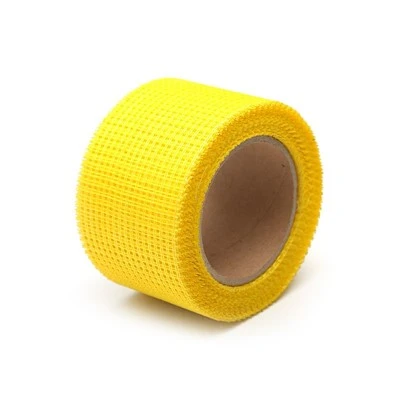
To start, let’s ground this in the basics of interior wall construction. Drywall (or gypsum board) is the most common material for interior walls because it’s affordable, easy to install, and offers a smooth base for paint, wallpaper, or tile. But it has a key weakness: it’s brittle. When it’s exposed to stress—like a home shifting slightly as it settles, temperature and humidity fluctuations that cause wood framing to expand and contract, or even minor bumps and knocks—drywall panels are prone to cracking, especially along the straight, paper-edged seams where two panels meet. Those seams are also the thinnest points of the wall; without reinforcement, they’re the first place a finish will fail. That’s where fiberglass mesh comes in.
The primary purpose of interior wall fiberglass mesh is to reinforce those drywall seams and prevent cracking. But it does more than just add strength: it creates a flexible, durable bond between the joint compound and the drywall, while also distributing stress evenly across a larger area. Unlike paper tape, which has been used for decades and is still common, fiberglass mesh doesn’t tear when you embed it in joint compound, and it resists moisture better. That makes it ideal for high-humidity areas like bathrooms, laundry rooms, or basements, where moisture can cause paper tape to wrinkle, mold, or pull away from the wall over time.
Let’s dive into the science a bit to explain why this works. Fiberglass mesh is made from fine, interwoven glass fibers, usually treated with a polymer coating to improve adhesion to joint compound and resist chemicals. When you apply a layer of joint compound over the mesh, the compound seeps through the small openings in the mesh, creating a mechanical bond rather than just a surface one. That means the mesh and joint compound act as a single, reinforced layer, instead of two separate materials that can separate over time. The woven structure also allows the wall to flex slightly as the building moves—something that solid joint compound can’t do on its own—reducing the risk of cracks forming at seams.
I’ve seen this play out in countless projects. A few years ago, a contractor I work with on regular basis had a job for a 1920s bungalow that was experiencing small, ongoing cracks in the living room walls. He tried paper tape first, and within six months, cracks appeared in three different seams. We suggested switching to fiberglass mesh for the next round of repairs, and when he followed through, those seams stayed intact for over three years without any new cracks. The difference was the mesh’s ability to handle the gradual movement of the old home’s framing, which paper tape couldn’t adapt to.
Beyond seam reinforcement, interior wall fiberglass mesh has another key use: covering corners. Inside and outside corners of interior walls are also high-stress points. They’re vulnerable to impact (like someone leaning a ladder against a corner, or a child crashing a bike into it) and expansion and contraction as the building shifts. Fiberglass mesh corner tape, which is a narrower, reinforced version of the standard mesh, wraps around corners to add that same flexible strength. It prevents the corner from chipping or cracking, and it creates a smooth transition from one wall to the next, which is crucial if you’re hanging wallpaper or applying a seamless finish.
It’s not just for new construction, either. In renovation work, fiberglass mesh is used to repair existing cracks in walls. If you have a hairline crack in a drywall wall, cutting a small V-groove into the crack, applying mesh over it, and covering it with joint compound creates a repair that’s far more likely to hold than just spackling over the crack. Spackle is a soft material that can crack again under stress, but the mesh turns the repair into a reinforced patch that matches the strength of the surrounding wall.
A common question I get from residential homeowners is: “Is fiberglass mesh better than paper tape for my project?” The answer usually depends on the space, but for most interior walls, mesh has clear advantages. Paper tape is cheaper upfront, but it requires more skill to install—if you don’t embed it properly in joint compound, it can bubble or cause blisters in the finish. Fiberglass mesh is more forgiving, especially for less experienced crews, because it’s self-adhesive in many cases, so it stays in place while you apply joint compound. It also dries faster than paper tape, which cuts down on project time—something that’s a big deal for both contractors and homeowners who want to wrap up a renovation quickly.
Another advantage is fire resistance. Fiberglass is inherently non-combustible, so interior wall fiberglass mesh adds a small but important layer of fire protection to interior walls. In the event of a fire, the mesh doesn’t release toxic fumes like some plastic reinforcements, and it helps keep drywall panels intact longer, slowing the spread of fire through a building. That’s a benefit that’s often overlooked, but it’s a key reason many commercial building codes now require fiberglass mesh in certain interior wall assemblies.
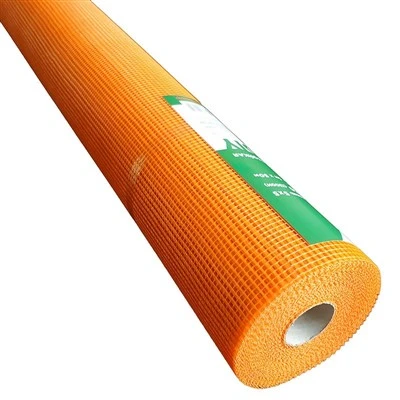
Of course, not all fiberglass mesh is created equal. As a supplier, I tell my customers that mesh quality matters for performance. Lower-quality mesh uses thinner glass fibers, or a polymer coating that wears off over time, so it might not provide the same strength or moisture resistance. Good interior wall fiberglass mesh should have a high count of interwoven fibers, a uniform weave, and a coating that’s designed to bond well with both drywall joint compound and plaster, depending on the project. It should also be flexible enough to bend around corners and fit into curved seams without tearing.
Let’s talk about a real-world example of what happens when you use low-quality mesh. A few years back, a small renovation company bought a bulk lot of cheap fiberglass mesh from a supplier that wasn’t properly coated. On a job for a 10-unit apartment building, the mesh started peeling away from the drywall in three of the units within a year, thanks to poor adhesion. My team was called to fix the repairs, and we had to strip out the old mesh, replace it with a high-quality version, and reapply the finish. That job cost the developer thousands in rework, which could have been avoided if they’d chosen the right mesh from the start.
So, to wrap up, the purpose of interior wall fiberglass mesh boils down to three core functions: it reinforces drywall seams and corners to prevent cracking, creates a flexible, durable bond between joint compound and the wall surface, and adds subtle benefits like moisture resistance and fire protection that improve the long-term performance of interior walls. It’s not a glamorous product, but it’s one of the most important materials in drywall finishing—without it, even the most carefully installed walls can develop unsightly cracks and fail prematurely.
Whether you’re a homeowner planning a small bathroom renovation, a general contractor working on a multi-unit residential project, or a builder constructing new commercial interiors, choosing the right interior wall fiberglass mesh makes all the difference. If you’re ready to source high-quality fiberglass mesh for your next project, or have questions about which product is best suited for your specific needs, don’t hesitate to reach out to connect for procurement and partnership discussions.
Fiberglass Tissue References:
- Drywall Finishing Manual. Gypsum Association, 2021.
- Interior Wall Materials: Performance Standards. National Institute of Building Sciences, 2020.
- Fiberglass Reinforcement for Construction. American Fiberglass Manufacturers Association, 2019.
- Moisture Resistance in Interior Wall Assemblies. International Code Council, 2022.
Danyang Yonggu Building Materials Co., Ltd.
Danyang Yonggu Building Materials Co., Ltd. is one of the most professional interior wall fiberglass mesh manufacturers and suppliers in China, featured by quality products and good price. Please rest assured to wholesale customized interior wall fiberglass mesh made in China here from our factory.
Address: Danyang City, Jiangsu Province, P.R. China
E-mail: sales02@cnyongu.com
WebSite: https://www.ygfiberglass.com/
