If you’ve ever stood in a pharmacy aisle, staring at rows of medical dressings with labels like “hydrocolloid,” “foam,” or “transparent film,” you know how overwhelming it can feel to pick the right one. As a medical dressings supplier with over 12 years working directly with wound care nurses, home health aides, and even small clinic administrators, I’ve lost count of the times a customer has called me panicking—they grabbed a random dressing, only to watch a minor cut get infected, or a surgical site break down because the product didn’t fit the job. Wound care isn’t one-size-fits-all, and choosing the wrong dressing doesn’t just slow healing—it can lead to avoidable pain, extra costs, and even hospital visits. That’s why I’m breaking down the science of picking the right medical dressing, rooted in years of on-the-ground experience and evidence-based clinical guidelines. Medical Dressings
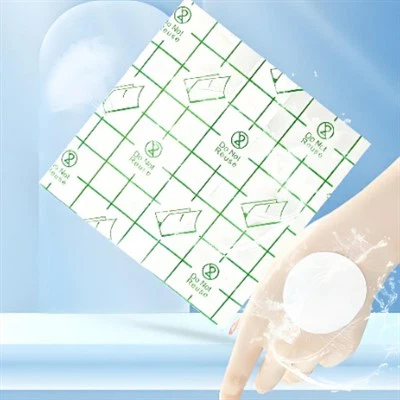
First, let’s start with the wound itself. The biggest mistake I see people make is choosing a dressing based only on the injury’s size or location, not its stage and exudate level. Wounds aren’t static; a fresh post-surgical incision is nothing like a slow-healing pressure ulcer or a blister from a burn. Exudate is the fluid the body produces to clear debris, fight bacteria, and build new tissue—too little of it and the wound bed dries out, slowing growth; too much and the surrounding skin gets macerated, which is a fancy term for softening, breaking down, and peeling. That’s the first question to ask: how much fluid is coming from the wound?
Let’s break it down by exudate levels. For low-exudate wounds—think a clean, small cut from a kitchen knife, a minor scrape, or a closed surgical incision—transparent film dressings are usually your best bet. These thin, breathable films stick firmly to intact skin around the wound, keep out dirt and bacteria, and are thin enough to let you see the wound without removing the dressing. They work great for wounds that don’t leak much because they don’t hold moisture, which is exactly what a fresh, clean cut needs to scab over gently. I’ve had a home health nurse tell me she uses these for her patients’ post-C-section incisions, and they rarely get irritated because the film lets oxygen pass through while blocking contaminants. The key here is to change them every 3 to 7 days, or immediately if they get wet or lift at the edges—leaving a film dressing on too long can trap sweat under it, leading to rashes, especially on areas like the abdomen where skin moves a lot.
Now, for medium-exudate wounds—like a stage 1 or 2 pressure ulcer, a partial-thickness burn, or a surgical site that oozes a little—hydrocolloid dressings are the workhorse. These are the ones that are slightly thicker, with a gel-like core that absorbs excess fluid, forming a moist environment that speeds up healing. I remember a time a few years back, a patient’s adult daughter called me in a panic: her mom had a small pressure sore on her heel, and every time she used a gauze pad, the wound would stick to the dressing and bleed when she changed it. I recommended a hydrocolloid dressing, and three weeks later, she emailed me to say the sore was almost gone—no more bleeding, and she only had to change the dressing once every 3 days, instead of twice a day with gauze. The catch with hydrocolloids: they’re not for high-exudate wounds, because the gel core can get too waterlogged and start to leak, leaving the surrounding skin soggy. They’re also not for infected wounds—if you see pus, foul odor, or redness spreading beyond the wound edges, you need a different dressing that can handle infection.
That brings us to high-exudate wounds—stage 3 or 4 pressure ulcers, deep open surgical wounds, or heavily draining lacerations. Here, foam dressings are your go-to. Foam dressings have a highly absorbent core made of polyurethane, which can take in large amounts of exudate without leaking. I’ve worked with wound care specialists who rely on foam dressings for traumatic wounds from car accidents; they say the foam keeps the wound bed moist but doesn’t let fluid pool, which prevents maceration of the healthy skin around the wound. Some foam dressings are even bordered, meaning they have an adhesive strip that sticks to the intact skin, so you don’t have to use additional tape that can irritate fragile skin—great for elderly patients who have thin, easily damaged skin. The only thing to watch with foam dressings is that you don’t change them too often; changing a foam dressing too early can disrupt the healing tissue at the wound bed, so most guidelines recommend changing them every 2 to 5 days, depending on how much exudate they absorb.
Next, location matters more than you’d think. A dressing that works on a stationary arm won’t work on a joint like the knee or ankle, where skin stretches and moves a lot. For areas with lots of movement—knees, elbows, heels, or fingers—you need a dressing with flexibility. Hydrocolloid dressings can work here if they have a thin, stretchy border, but I often recommend silicone-based dressings for these areas. Silicone dressings are gentle on skin, so they don’t tear when you move, and they stay in place even when you’re walking, bending, or even showering (many are water-resistant, not waterproof, so they can handle splashes but not being submerged for long). I had a teenage customer a couple years ago who got a deep cut on his skateboarding knee, and he kept ripping off regular bandages every time he moved. He switched to a silicone foam dressing, and he told me it stayed on through skate practice, swimming, and even soccer practice without falling off. For facial wounds—like a cut on the forehead or cheek—transparent film dressings are often best because they’re thin, barely noticeable, and don’t leave a bulky, visible edge that can get in the way of glasses or makeup.
Don’t forget about special cases. For infected wounds, you need a dressing that can absorb exudate and help manage bacteria. Silver-impregnated dressings are a common choice here—silicon is naturally antimicrobial, so it can reduce bacteria levels in the wound without harming healthy tissue. I’ve worked with clinics that use these for diabetic foot ulcers, which are at high risk for infection because of poor blood flow. But it’s important to note that silver dressings are only for infected or heavily colonized wounds, not for clean wounds—using them unnecessarily can slow healing, because they kill good bacteria too. For wounds that need to be debrided (that’s the process of removing dead tissue from the wound bed), alginate dressings are a great option. Made from seaweed, alginates are highly absorbent, form a gel when they touch fluid, and can gently lift dead tissue without sticking to the wound bed. A lot of wound care nurses use alginates for deep, cavity-type wounds like pressure ulcers that have pockets of dead tissue.
Now, let’s talk about mistakes I see people make all the time. The first is sticking to “the cheapest” option from the drugstore. I understand that cost is a factor, but buying a $2 box of generic band-aids for a 2-inch surgical incision might end up costing more in the long run if the incision gets infected and you need to go to the emergency room. Another mistake is changing a dressing too often. Every time you remove a dressing, you risk damaging new healing tissue—so only change it when it’s saturated with exudate, lifted at the edges, or has a foul odor. And finally, don’t ignore your healthcare provider’s advice. I get calls from people who say “the nurse told me to use a foam dressing, but I heard hydrocolloids are better” — but your provider knows your specific wound, your overall health, and any conditions (like diabetes) that affect healing.

At the end of the day, choosing the right medical dressing is about matching the dressing’s properties to your wound’s unique needs. If you’re not sure where to start, that’s okay—we work with patients, home health aides, and clinic teams to walk through every step. Whether you’re managing a minor wound at home, caring for a patient with a chronic wound, or stocking your clinic’s supply closet, we can help you find the right dressing that balances efficacy, comfort, and cost. If you’re ready to discuss your specific needs, reach out to connect with our team for a personalized consultation. We’re here to make wound care less stressful, because every wound deserves the right tools to heal.
Medical Dressings References
- Woo, K. Y., & Sibbald, R. G. (2017). Evidence-based wound care: Principles and practice. Journal of Wound Care, 26(Sup2), S1–S56.
- National Pressure Ulcer Advisory Panel, European Pressure Ulcer Advisory Panel, Pan Pacific Pressure Injury Alliance. (2019). Prevention and treatment of pressure ulcers: Clinical practice guideline. Cambridge Media.
- American College of Surgeons. (2020). Guidelines for surgical wound care. Bulletin of the American College of Surgeons, 105(3), 22–28.
- Gupta, S., & Khanna, S. (2021). Alginate dressings in wound management: A review. International Journal of Lower Extremity Wounds, 20(2), 147–155.
- Vowden, K., & Vowden, P. (2018). Exudate management: A key component of wound care. Journal of Wound Care, 27(10), 692–700.
Shenzhen Omori Biological Technology Co., Ltd.
We’re well-known as one of the leading medical dressings manufacturers and suppliers in China. We warmly welcome you to wholesale high quality medical dressings made in China here from our factory. If you have any enquiry about customized service, please feel free to email us.
Address: Floor4, No43, Langkou Industrial park, Dalang Street, Longhua District, Shenzhen City, Guangdong Province, China
E-mail: wya@omorimed.com
WebSite: https://www.omorimed.com/
