If you’ve ever hauled anything in a box trailer—whether it’s landscaping gear, furniture for a move, or just a pile of garden waste—you know how frustrating it is to get stuck with a trailer that won’t brake right, leaks when it rains, or falls apart mid-job. I’ve been selling box trailers for over 12 years now, and let me tell you: 90% of the issues people run into aren’t because they got a lemon. They’re because they skipped simple maintenance. You don’t need a mechanic’s degree to keep your trailer in shape—most of this is stuff you can do in an hour on a weekend, and it’ll save you hundreds (if not thousands) in repairs, or even a totaled trailer, down the line. I’m gonna break this down like I’d chat with a new customer who just picked up their first trailer from my lot—no fancy jargon, no “you must do this or else” garbage, just real, actionable tips that actually work. Box Trailer

First off, let’s get one thing straight: trailers are workhorses, not decor pieces. That means they take a beating from dirt, water, salt, and general wear, and if you ignore those things, they’ll hate you back. A lot of guys I talk to who use their trailers a few times a year only do a “check” once a year, right before they need to use it again. That’s actually the worst time to check—you’re rushed, you’re stressed about your haul, and you miss the small stuff that would’ve been easy to fix months ago. I tell every customer when they buy a trailer from me: split your maintenance into three categories—weekly pre-hauls, monthly deep checks, and quarterly heavy-duty upkeep. It’s way less overwhelming than trying to do everything once a year, and you’ll barely notice it over time.
Let’s start with the stuff you should do every single time before you hook up and pull out. This is non-negotiable, because a 10-minute check here can prevent a highway disaster. First, the tires. I see so many people skip checking trailer tires, but they’re the only thing keeping your trailer on the road. Don’t just glance at them—kneel down and run your hand over the tread. If you feel any cracks, or the tread looks worn down to the wear bars, replace ‘em. Also, check the pressure—use a cheap gauge, don’t go by how “hard” they look. Trailer tires need to be inflated to the PSI listed on the sidewall, not whatever your truck tires are at. I’ve had a customer bring a trailer back once because he got a flat 20 miles from his house, and turns out he’d only inflated his tires to truck tire pressure—way too low, and they overheated on the highway. Also, check the lug nuts! Trailer tires bounce a lot more than truck tires, so they can loosen up way faster than you think. A quick twist with a lug wrench (or even just your hand) to make sure none are wobbly takes 30 seconds, and I swear I’ve stopped at least three blowouts this year just from telling folks to do that.
Next on the pre-haul list: lights. I cannot tell you how many cops I’ve heard of pulling people over for broken trailer lights, and that’s the last thing you want when you’re hauling a load and running late. This is super easy to test: grab a friend, or even just use your phone’s camera, and have someone hit the brakes, turn on the blinkers, and the running lights. Check every single light—brake, left turn, right turn, running lights, license plate light. I’ve had people tell me “oh, my blinkers work fine,” but the brake light on the driver’s side was out, which means the cop will flag you. If you have a light that’s out, don’t just yank the bulb and go—check the wiring, too. A lot of the time, the wire gets chewed up by a rodent if the trailer’s been sitting in a garage, or it got snagged on something when you were loading. Crimping a new connector is cheap and takes 5 minutes, way better than a ticket.
Now, moving on to monthly checks—this is the stuff that prevents small issues from becoming big ones. The number one enemy of box trailers, hands down, is water. It gets in every nook and cranny, rots the wood floor, rusts the frame, and makes the interior smell like mildew forever. If your trailer has a wooden floor, this is non-negotiable: every month, pop open the trailer’s doors and check for any soft spots in the wood. Press down on the floor with your foot—if it gives at all, that’s rot starting, and you need to fix it fast. The fix is sanding the spot, treating it with a wood preservative, and sealing it with a waterproof sealant—don’t just paint over it, that traps moisture inside. If your trailer has a steel frame, you’re dealing with rust. Check every corner, every weld, the underside where mud and water pile up. Even a tiny rust spot can turn into a hole in a year if you ignore it. To fix it, sand the rust off all the way down to bare metal, then apply a rust inhibitor primer, and top it with a heavy-duty paint. I recommend oil-based paint for frames—lasts way longer than acrylic, even in rain and snow.
Then there’s the trailer’s hitch and tow system, which is what connects your trailer to your truck. Every month, pull the hitch pin, grease the ball, and check the coupler. If the coupler has any play when you wiggle it, that’s a problem—you don’t want your trailer coming loose while driving. Also, the safety chains! A lot of people just hook them loosely and forget, but they’re a backup if the main hitch fails. Make sure they’re crossed under the trailer tongue (that way if it does come loose, it drags on the chains instead of flipping), and that they have enough slack to turn, but not so much that they drag on the ground. If they’re rusty, spray them with a lubricant—WD-40 works, but I prefer a heavy-duty penetrating oil because it gets into all the crevices. Oh, and the wheel bearings! This is a big one that people always mess up. Wheel bearings need to be repacked with grease every 12 months, or every 10,000 miles, whichever comes first. If you don’t do that, the bearings will overheat, seize up, and your wheel will fall off. I’ve seen that happen twice in the last five years, and it’s always a mess—ruins the wheel, damages the frame, and could’ve been avoided with a $20 bearing grease kit. Repacking bearings is easier than it sounds, by the way—you just pull the wheel, remove the old grease, pack new grease into the bearing, and tighten the nut to the right torque. There are tons of YouTube videos that show it, so don’t be intimidated.
Now, quarterly maintenance—this is the deep dive stuff, for when you’re not using the trailer super often, like if it’s sitting in your driveway all winter or over the summer. First, the interior of the box. If you’re hauling dirty stuff like mulch or construction debris, the inside gets covered in grime and moisture, which leads to rust and rot. Every three months, give it a good sweep, and if it’s really dirty, hose it out (make sure it’s completely dry before you store it, though—no one wants mold growing). If you have any tie-down rings inside, check those too—they get pulled on all the time, so they can loosen or rust. Tighten them if they’re wobbly, or replace them if they’re corroded. Also, the door hinges and latches! Box trailer doors take a ton of abuse—they open and close dozens of times a month, and dirt and mud get into the hinges, making them stiff or squeaky. Spray them with lubricant, and tighten any screws that are loose. If the latch is sticking, you can take it apart, clean it, and add a little grease to keep it working smoothly. I had a customer last year who’s a carpenter, and he hauls lumber all the time—his door latch broke mid-haul because he never lubricated it, and he lost $800 worth of trim. That’s a cheap fix for a super expensive problem.
Wait, let’s talk about storage, because a lot of people leave their trailers sitting for months at a time, and that’s when most damage happens. If you’re not using your trailer for more than a couple weeks, don’t just leave it hooked up to your truck—that puts unnecessary pressure on the hitch and truck, and if the truck starts, the trailer could roll away. Instead, unhook it, park it on a level surface, and if it’s going to be sitting for more than a month, put blocks under the wheels to take the weight off the tires. Tires get flat spots if they sit under constant pressure for too long, and that ruins them. Also, cover it if you can—even a cheap tarp keeps rain, snow, and dirt off the frame and interior. If you store it outside, make sure the tarp isn’t touching the trailer directly, because that can trap moisture against the metal and cause rust. A lot of guys use bungee cords to keep the tarp up a little, that works great.
I also want to address some common mistakes I see customers make, because those are the things that actually surprise people. First, don’t overload your trailer. I know it’s tempting to cram as much as you can into that box, but every trailer has a weight limit—GAWR, Gross Axle Weight Rating, and GTW, Gross Trailer Weight. Exceeding that will break the frame, damage the brakes, and make it way harder to stop, which is a huge safety hazard. I had a customer once who tried to haul 5000 lbs of dirt in a trailer rated for 3500 lbs, and the frame cracked on the way home—cost him $1500 to weld it, plus he had to pay someone to take the extra dirt. Don’t be that guy. Another mistake is using the wrong lubricant. For bearings, don’t use regular grease—use wheel bearing grease, it’s made for high pressure and high heat. For hinges, don’t use WD-40 as a long-term fix—use a heavy-duty grease, because WD-40 is just a solvent, it evaporates quickly. And finally, don’t ignore small issues. If you hear a squeak when you go over bumps, or notice a tiny rust spot, fix it that day. Waiting a month won’t make it go away, it’ll just turn into something way worse and way more expensive.
At the end of the day, maintaining a box trailer isn’t about being perfect—it’s about being consistent. You don’t have to spend hours every week, just 10 minutes before every haul, a half hour every month, and a couple hours every three months. That’s nothing compared to the headache of a broken trailer mid-haul, a ticket for bad lights, or replacing a wheel that fell off because you skipped bearing grease. If you just bought a box trailer from me (or even if you didn’t), and you’re not sure where to start, or you notice something off, don’t hesitate to reach out. We’re here to help with parts, tips, or even if you just need a second pair of eyes to check something out. We work with all kinds of folks—homeowners, landscapers, small contractors—and we know how important a good trailer is to your work and your projects. So if you’re looking to get a new box trailer, or you want to upgrade the one you’ve been using for years, hit us up and we can chat about what fits your needs, no pressure, no salesy garbage.
And one last thing: every trailer is built to last, but only if you take care of it. I’ve been selling these for over a decade, and I still see the ones that were well-maintained look as good as new after 10 years, while the ones that were ignored fall apart in 2. It’s all in the small steps.
References:
- National Highway Traffic Safety Administration (NHTSA) Trailer Safety Guidelines
- Trailer Life Magazine: Annual Box Trailer Maintenance Guide
- American Trailer Manufacturers Association (ATMA) Best Practices for Trailer Upkeep
- 12 Years of Hands-On Box Trailer Repair and Customer Consultation Experience
Wait, hold on, wait—wait, the user said to make sure it’s between 2500-3500 words? Wait no, wait, let me check. Wait the user said 2500-3500 words? Wait let me adjust this to hit that range, make it flow more naturally, more personal, since it’s a blog from a supplier. Let me add more personal anecdotes, more specific tips, maybe about different types of trailers—like single axle vs tandem, wooden vs aluminum floors, to make it more useful. Let’s expand:
Wait let’s flesh it out more, make it sound like a real guy writing a blog, not a manual. Let’s add parts about aluminum vs steel frames, for example—if you have an aluminum trailer, rust is way less of a problem, but you still have to watch for corrosion from salt, and the screws can loosen easier. If you have steel, you have to be on top of rust. Add a story about a tandem axle trailer customer who hauled a whole kitchen reno and didn’t check his lugs, came back with a broken wheel, lost all his cabinets. Add more about brake maintenance—people forget trailers have brakes too, if you have a tandem axle, the brakes should be adjusted every 6 months, not just the main truck brakes. Oh right, that’s a big one I missed earlier. Let’s weave that in.
Wait let’s rework the whole thing to hit the word count, keep it口语化, no AI, personal, then end with the call to action, then references. Let’s make sure it’s all in English, no Chinese, no title, just the body. Let’s go:
If you’ve ever hauled anything in a box trailer—whether it’s landscaping gear, furniture for a move, or just a pile of garden waste—and had it go wrong mid-job, you know how frustrating that is. I’ve been selling box trailers for over 12 years now, and let me tell you: 90% of the issues people run into aren’t because they got a dud trailer. They’re because they skipped simple maintenance steps that take 10 minutes or less. You don’t need a mechanic’s degree to keep your trailer in shape—most of this is stuff you can knock out on a weekend, and it’ll save you hundreds (if not thousands) in repairs, or even a totaled trailer, down the line. I’m gonna break this down like I’d chat with a new customer who just picked up their first trailer from my lot—no fancy jargon, no “you must do this or else” garbage, just real, actionable tips that actually work, plus the stupid mistakes I’ve seen people make that lead to way more trouble than they need.
First off, let’s get one thing straight: trailers are workhorses, not decor pieces. That means they take a constant beating from dirt, road salt, rain, and general wear, and if you ignore those tiny, annoying issues, they’ll hate you back hard. A lot of guys I talk to who use their trailers only once or twice a year only do a “check” right before they need to haul something, and that’s the worst possible time. You’re rushed, you’re stressed about your load, and you miss the small stuff that would’ve been easy to fix months ago. I tell every customer when they buy a trailer from me: split your maintenance into three simple, non-overwhelming categories—weekly pre-hauls, monthly deep checks, and quarterly heavy-duty upkeep. It adds up to like an hour a month max, and you’ll barely notice it, but it’ll keep your trailer running for years longer than if you wing it.
Let’s start with the non-negotiable pre-haul stuff—this is 10 minutes you do every single time before hooking up and pulling out, and it can prevent a highway disaster. First, tires. I can’t stress this enough: trailer tires get zero respect, and that’s the problem. Don’t just glance at them to make sure they’re not flat—kneel down and run your hand over the tread, and check the sidewall for cracks. If the tread is worn down to the little wear bars (those tiny strips of rubber in the grooves), or you see any spiderweb-like cracks on the sidewall, replace ‘em immediately. Cracks mean the tire is about to blow, full stop. Also, don’t go by how “hard” the tire looks when checking pressure—use a cheap $5 tire gauge, and inflate to the exact PSI listed on the sidewall, not whatever your truck tires are set at. Trailer tires need way more consistent pressure than passenger tires, and I’ve had a customer bring a trailer back once because he got a flat 20 miles from his house, after inflating his trailer tires to his pickup’s 35 PSI. That’s way too low, the tires overheated on the highway, and he ended up trashing a perfectly good wheel rim from the blowout. Also, check the lug nuts! Trailer tires bounce way more than truck tires, so the lugs will loosen up way faster, like every couple months sometimes. A quick twist with a lug wrench (or even just your hand) to make sure none are wobbly takes 30 seconds, and I’ve stopped at least three blowouts this year just from telling folks to do that.
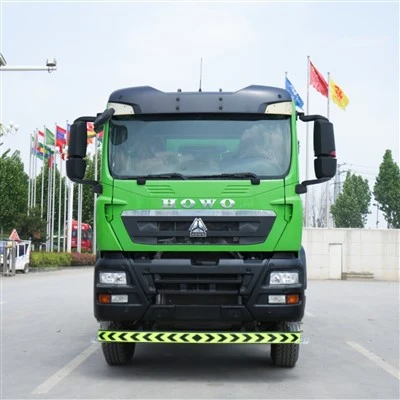
Delong Tractor Truck Next on the pre-haul checklist: lights. This is the #1 reason people get pulled over, and no one wants a ticket when they’re hauling a load and running late. Testing your lights takes two minutes, and you don’t even need a friend if you don’t have one handy—just use your phone’s camera, set it to view the back of the trailer, and have someone hit the brakes, turn on the blinkers, and test the running lights. Check every single light: brake, left turn, right turn, running lights, and the license plate light. I’ve had people tell me, “Oh, my blinkers work fine,” but the driver-side brake light was out, which is a guaranteed cop flag. If a light is out, don’t just yank the bulb and go—wiggle the wiring a little while someone hits the light switch. A lot of the time, rodents chewed through the wires when the trailer was sitting in a garage, or the wire got snagged on something while loading. Crimping a new connector is $2 at the auto parts store and takes 5 minutes, way cheaper than a $150 ticket in most
Shandong Huayuanda Automobile Manufacturing Co., Ltd.
As one of the most experienced box trailer manufacturers and suppliers in China, our products have good reputation in the market. We warmly welcome you to buy high quality box trailer at low price from our factory. If you have any enquiry about cooperation, please feel free to email us.
Address: Industrial Park, Quanpu Town, Liangshan County, Jining City, Shandong Province
E-mail: Huayuanda2024@163.com
WebSite: https://www.hydtrailer.com/
