What’s a Hydronic Door Closer, and Why Should You Care If You’re in the Market for a New Door Closing System? Door Closer
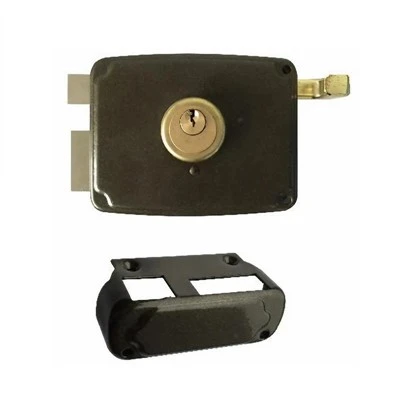
If you’re someone who’s ever stopped to figure out why a front door closes smoothly (instead of slamming so hard it sends dishes rattling in the cabinet or pulls a light fixture off the wall), you’ve probably crossed paths with door closers before. But if you’ve been sifting through options and stumbled on “hydronic door closers,” you might’ve Googled something like, “Wait, aren’t door closers just… springs?” Spoiler: nope. They’re way more high-tech, and if you’re a building manager, contractor, or even a homeowner renovating a high-traffic space, they’re a total game-changer. I’ve been selling door closers for over 10 years now, and I can’t tell you how many people come in thinking they all work the same—until we explain the hydronic difference. Let’s break this down like we’re chatting over a coffee (no stuffy engineering jargon, promise).
First, let’s kill the myth that all door closers rely on basic springs. Old-school spring closers (the ones you might see on a 1950s apartment door) work by winding a big spring when you push the door open, then releasing that tension to yank it shut. The problem? That tension is constant. If a kid slams the door 10 times in a row, or a delivery person yanks it hard to get a package in, the spring stretches or wears out unevenly. Before you know it, it’s either closing too slow (propped open by a draft) or slamming so hard you’re cringing every time.
Hydronic door closers? They run on hydraulic fluid. Not the gross, old, leaky brake fluid kind—modern ones use a specialized, non-corrosive synthetic fluid designed to last decades. Here’s the simple way to think about it: instead of a spring storing all that energy, the hydronic system controls how fast that energy is released. When you open the door, it pushes a piston through the fluid. That fluid moves through tiny, adjustable valves inside the closer body, so when you let go, the piston pulls back, and the door closes at a smooth, consistent rate. No slams, no random slow downs—even if someone’s opening the door 100 times a day.
Wait, but what makes “hydronic” different from “pneumatic”? Good question, because I get that mix-up all the time. Pneumatics use air pressure, right? Think of those flimsy door closers you see on office breakroom doors that sound like a balloon deflating. They’re cheap, but they’re terrible for high-traffic areas. Hydronics use fluid, which is way denser than air. That means they deliver way more consistent power, even in extreme temperatures—like if you’re installing a closer on an exterior door in Minnesota or Arizona. Pneumatic ones freeze up in cold weather, or overheat and weaken in 100°F heat. Hydronic fluid doesn’t do that (as long as you pick the right fluid for your climate, which we always help with).
Now, let’s get into the stuff that actually matters to people buying these. What can a hydronic door closer do that others can’t? For one, adjustability. A lot of them have two separate valve controls: one for the “closing speed” (how fast the door shuts from 90 degrees to almost latched) and one for “latch speed” (how fast it slams the last inch to lock). Let’s say you have a door leading to a daycare—you can crank the latch speed slow so tiny hands don’t get pinched when it closes. If you have a warehouse door, you crank it a little faster so it latches tight before a forklift could blow it open. Basic spring closers don’t let you do that—you either get a slam or a crawl, no middle ground.
Another big plus: durability. I’ve sold closers that are still going strong in a 1920s office building downtown, and they’ve had over a million cycles (that’s a cycle = opening and closing the door once) without a single issue. Basic spring closers? They’re lucky to hit 100,000 cycles before the spring starts going wonky. Hydronic ones also don’t have that thing where they “die fast” if someone’s slamming the door a lot—they’re built to handle that abuse. We had a client last year who put closers on a busy coffee shop’s back door, where baristas were flying in and out 200+ times a day. The spring closers they had lasted 6 months. The hydronic ones? Still working perfectly, 3 years later.
Wait, but are there downsides? Let’s be real, no product is perfect, and I’d never lie to a customer. Hydronic door closers are a little more expensive upfront. Like, a basic spring closer might cost $20, a hydronic is more like $70-$150, depending on the brand and features. But here’s the catch: they last way longer, need way less maintenance, and you’re not replacing them every couple years. The coffee shop I mentioned earlier—they saved so much money not buying new closers every 6 months that they paid for the hydronic ones in like 8 months. That’s a no-brainer, right? Also, cheap hydronic knockoffs exist. We tell people all the time: don’t buy those random ones from Amazon that look identical to ours. They use bad fluid, leak after a year, and don’t have the adjustable valves. Stick to reputable brands, and you’ll be set.
Now, who actually needs a hydronic door closer? Let’s run through the scenarios:
High-traffic spaces: Coffee shops, grocery stores, gyms, schools. Anywhere people are opening and closing doors all day, every day. The consistent closing speed cuts down on wear and tear, so your door frame, hinges, and lock don’t get beat up as bad. We’ve even had schools put them on classroom doors to stop kids from slamming them during recess—parent feedback has been amazing (no more complaints about broken windows or scared little ones when the door slams).
Exterior doors: If your door is on the outside of a building, it’s exposed to extreme temps, moisture, wind. Hydronic closers handle that way better than springs or pneumatics. I’ve seen a pneumatic closer on a fire exit in Texas freeze solid in January, trapping people inside during a fire drill. Hydronic ones don’t do that—we install ones with synthetic fluid rated for -40°F to 180°F, so they work no matter what.
Spaces with accessibility needs: The ADA (Americans with Disabilities Act) has rules for door closers, right? They need to close with enough force to latch, but not so much that someone in a wheelchair can’t push it open, or that a kid or elderly person gets stuck. Hydronic closers are way easier to adjust to meet ADA specs. Spring closers are way trickier—you have to swap springs to adjust tension, which is a pain, and you might not get it right. If you get a complaint about ADA compliance, a hydronic closer is way simpler to fix.
Commercial buildings, especially fire-rated doors: Oh, this is a big one. A lot of commercial buildings require fire-rated doors, which have to close fast and seal tight if there’s a fire. Hydronic closers can be calibrated to hit exactly the fire code speed, no guesswork. A lot of cheap closers fail fire inspections because they close too slow or too fast—we’ve had contractors come to us panicking because their spring closers didn’t pass, and we swapped them out with hydronic ones that passed on the first try.
Wait, let’s clear up a common misconception: some people think hydronic door closers are only for commercial use. No way. I sold a set to a homeowner last year who was renovating their garage door leading to their mudroom. Their old spring closer would slam so hard it would shake their wine glasses in the dining room. They got a hydronic one, adjusted the speed, and now it closes so smoothly they barely hear it. Even for residential, if you have a high-traffic door, a door that’s near a bedroom (no slamming!), or a door that’s exposed to the elements, it’s worth it.
Now, let’s talk about signs you need a new closer. If you’re reading this and going, “Ugh, my door has this issue,” that’s your sign:
- It slams even when you barely push it
- It stays open on its own, even when the wind blows
- You have to pull or push extra hard to open it
- It makes weird, grinding or hissing noises
- Your lock or door frame is cracked from being slammed
If any of that sounds familiar, a hydronic door closer is almost definitely the fix.
I get it, making a switch from what you’ve always used is scary. But let’s be real—how many times have you dealt with a door that slams and ruins your day? Or had to replace a closer because it died after a year? That’s the frustration we solve. We don’t push the most expensive model; we ask questions: How many people use the door? Is it exterior? Do you need to meet fire codes? What’s your budget? Then we point you to the right hydronic closer, not the one that makes us the most money.
For example, we had a small café owner come in last month. She had two back doors, both spring closers, slamming all the time. She thought she needed two $20 spring closers. We looked at her space—high traffic, exterior, near seating areas where customers work. We recommended mid-range hydronic ones, $70 each, and adjusted them so they close slow enough not to disturb people, but fast enough to keep the café warm. She was skeptical at first, but a week later she texted us saying, “Why didn’t I do this years ago? No more slamming, no more drafts from doors left open.”
Another thing we love about hydronic closers: most of them have a hold-open feature, if you need it. Like, if you have a door leading to a loading dock, you can prop it open for a forklift to go through, then release it, and it closes smoothly. Some basic closers don’t have that, or it’s flimsy. Hydronic ones’ hold-open is solid, because it’s controlled by the fluid, not a cheap latch.
Now, let’s address the elephant in the room: maintenance. Do hydronic door closers need any special care? Almost none. You don’t have to oil them (that’s a myth—oil attracts dirt and makes them sticky). Just clean the outside every few months, and if you ever need to adjust the speed, there are tiny valves on the side you can turn with a hex key. No fancy tools, no calling a handyman. We even send a little guide with every closer we sell, so anyone can do it. The only time you’d need to replace a hydronic closer is if it gets damaged (like someone hits it with a cart) or if you move to a climate with way more extreme temps, but that’s rare.
Wait, what about energy efficiency? If your door is left open, you’re wasting heating or cooling. That’s a big deal for commercial buildings—energy costs add up fast. A hydronic door closer will close consistently, so you’re not losing money on drafts. We had a warehouse client whose energy bills went down 12% after we installed hydronic closers on their four exterior doors. That’s a real number, not marketing hype.
So, to wrap this up: a hydronic door closer is a door-closing system that uses controlled hydraulic fluid instead of springs or air to deliver smooth, consistent, durable door closing. It’s built for high traffic, extreme conditions, and compliance with codes, and it saves you money in the long run because it lasts longer and needs less maintenance. It’s not just for big commercial buildings anymore—homeowners and small businesses benefit too.

If you’re tired of slamming doors, replacing closers every year, or failing fire/ADA inspections, let’s chat. We can help you pick the right hydronic door closer for your space, answer any questions you have, and make the switch easy. No pressure, no sales pitch that feels like a used car lot—just honest advice for getting a door that works well, for years.
Handle References:
- National Fire Protection Association. (2021). NFPA 80: Standard for Fire Doors and Other Opening Protectives.
- American with Disabilities Act Accessibility Guidelines (ADAAG). (2010). Door and Gate Hardware Requirements.
- Door & Hardware Institute. (2022). Hydronic vs. Pneumatic Door Closers: Performance and Durability Comparison.
- International Code Council. (2023). International Building Code (IBC) Requirements for Door Closers.
Jiangsu Wenzhong Lock Industry Co., Ltd.
As one of the most experienced door closer manufacturers and suppliers in China, we also support customized service. We warmly welcome you to wholesale bulk cheap door closer in stock here from our factory. If you have any enquiry about pricelist, please feel free to email us.
Address: Xiaoliang Industrial Park, Danyang City, Jiangsu Province
E-mail: Rongoo7@163.com
WebSite: https://www.wenzhonglocks.com/
