Hey there, let’s cut to the chase—you’ve probably spent a lazy Sunday morning at home, staring at that lumpy hotel pillow you stuffed in your suitcase (guilty, I’ve been there) and thought, “Wait, can I just toss this in the dryer to fluff it back up?” Or maybe you’re a regular at a boutique or chain hotel, and you’ve noticed housekeeping chucking a stack of pillows into industrial dryers like it’s no big deal. As someone who’s been in the hotel pillow supply game for over a decade—yes, that’s me, the person you text at 9 PM when your client calls begging for 200 pillows for a last-minute wedding block—I get way too many questions about this exact thing. The big one: Are hotel pillows actually safe to machine dry? Spoiler: It’s not a yes/no answer, and if you get it wrong, you’re not just wasting energy—you’re ruining pillows (and if you’re housekeeping, that’s a direct hit to your hotel’s bottom line). Hotel Pillows
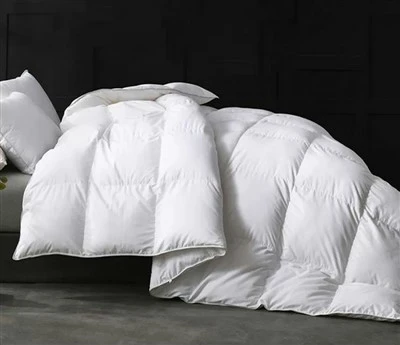
Let’s start with what makes hotel pillows different from the $10 ones you buy at Target. Hotel pillows aren’t your average consumer bedding—they’re built to take a beating. We source fabrics that are tough enough for 100+ washes, fill that’s either down, down-alternative, or memory foam, and design them to hold their shape after years of 8 PM room service spills, late-night coffee dribbles, and endless fluffing. But even with all that durability, drying them wrong is a fast track to pillow graveyard.
First, let’s talk about the safe stuff—like the down and down-alternative pillows we supply to most mid-range to luxury hotels. I’ve had hotel clients call me panicking because their housekeeping team tried air-drying a stack of pillows and now they’re mildewy lumps that look like overcooked meatloaf. Here’s the deal with those: Machine drying is actually recommended for these, if you do it right. Wait, why? Because down and down-alternative fills trap moisture like crazy—if you leave even a tiny bit in there, it’s a mold party waiting to happen. We once had a hotel that skipped drying two pillows in a rush to stock rooms for a tour group, and by check-out, they had to replace 12 pillows total—$1,200 down the drain because they thought air-drying was safer.
But here’s the catch: You can’t just toss a dozen down pillows in a dryer and hit “high heat.” Down is natural, and super high heat can melt the fine barbs that make it fluffy. Those barbs are what give hotel pillows that cloud-like feel—lose ’em, and you’re left with flat, scratchy junk. For down or high-quality down-alternative (the kind we use, not the cheap, scratchy stuff that falls apart after 5 washes), you want to use low to medium heat, and toss in three or four dryer balls (even clean tennis balls work if you’re in a pinch). Why the balls? They break up clumps of fill before they solidify. I’ve seen a hotel skip the balls and end up with one pillow that had a huge, rock-hard clump in the corner—guests complained to management, and that’s a review you can’t brush off.
Now, what about the hotel pillows that use memory foam or latex fills? That’s where it gets tricky. Memory foam is dense, and if you machine dry it, especially on high heat, it can melt, warp, or develop that weird chemical smell that makes guests reach for the extra blanket. Wait, but does that mean you can’t dry them at all? I have a couple of high-end hotel clients that use memory foam pillows, and here’s their trick: They only air-dry them. They’ll hang them for 24 hours, flip them halfway, and never put them in a machine dryer. I did a little test a couple of years back—dried a memory foam pillow on low heat for 45 minutes, and it came out half the size and smelled like a new couch that’s been left in a hot car. Never again.
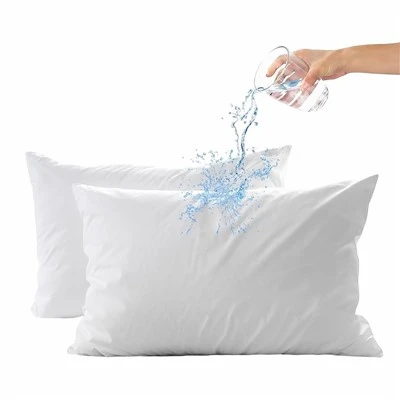
And let’s not forget about the fabric covers—most hotel pillows have a cotton or polyester-cotton blend cover that’s treated for stain resistance, right? That’s standard for us, because no one wants a pillow that looks like it survived a slumber party after one coffee spill. That stain-resistance treatment is where another safety point comes in: Don’t use too much detergent when washing, and definitely don’t use fabric softener. Fabric softener clogs the tiny pores in the fill (especially down) and makes the stain-resistant treatment stop working. Also, never use bleach—you might think it’s disinfecting, but it will eat through the cover fabric and discolor the pillow, making it look old before its time.
Wait, let’s talk about the “is it safe” test that we use here in our supply operation, because we’ve had to troubleshoot so many bad drying jobs. First, check the care label—no, not the tiny one you probably ignore (I get it, we all do). Most hotel pillows we supply have a label that says “machine dry low, tumble with dryer balls” for down/alternative, and “air dry only” for memory foam/latex. If you don’t have a care label (some older hotels might have missed theirs), play it safe: If it’s light and fluffy (like a standard down pillow), test a small batch first. Toss one pillow in the dryer on low for 30 minutes, take it out, check for lumps or weird smells. If it’s good, do the rest. If it’s flat or smells off, stop.
I’ve had new housekeeping teams reach out to me saying they dried a stack of pillows and now half are lumpy, and they’re panicking about replacing them. Here’s the thing: Most of the time, it’s fixable—if you catch it early. If you dry a down pillow on too high heat and it’s lumpy, toss it back in the dryer on low with dryer balls for another 20 minutes. The tumbling will break up the clumps. But if it’s memory foam that’s warped, there’s not much you can do—air-dry it and hope it fluffs back, but most of the time, it’s a lost cause.
Now, let’s get real about why this matters for you—whether you’re a hotel owner, a housekeeping manager, or even a traveler who’s using a hotel pillow at home. For hotels, pillows are one of the most impactful parts of a guest’s stay. A bad pillow can turn a 5-star review into a 1-star rant. I had a client a while back who kept getting reviews saying “pillows are lumpy” and couldn’t figure out why—turns out their housekeeping team was drying 20 pillows at a time on high heat, no dryer balls. They switched to our care instructions, added dryer balls, and the reviews for pillows went up 40% in two months. That’s not a small win—guests spend more when they’re happy.
For travelers, if you’re stealing a hotel pillow (no judgment, we all do it), don’t dry it on high heat. If it’s a down or alternative one, low heat with dryer balls is fine. If it’s memory foam, air-dry it on a line for a day. I’ve had people hit me up on Instagram after seeing my posts saying they’ve been ruining their hotel pillows at home, and they finally know the right way—makes me happy, because now they’re not wasting money replacing them.
Wait, let’s clear up a common myth I hear all the time: “Machine drying hotel pillows shrinks them.” Only if you use high heat and over-dry them. We supply pillows in standard sizes (king, queen, standard) and the only time we see shrinkage is when a hotel runs a dozen through a dryer on high heat for an hour straight. Follow the low heat rule, and shrinkage is basically non-existent.
Another thing: Moisture is the real enemy here. No matter what type of pillow you have, if you don’t get it completely dry, mold and mildew will grow. That’s a safety issue for guests—mold can cause allergies, headaches, even respiratory issues. A hotel I worked with had a guest contact them about a runny nose, and they traced it back to a moldy pillow that was partially dried. They had to compensate the guest, post a note about mold prevention, and retrain their housekeeping team. So drying correctly isn’t just about keeping pillows fluffy—it’s about guest safety.
Here’s a quick recap of what we always pass along to our hotel clients, because this is the stuff that keeps our pillows lasting 3-5 years (the average lifespan for high-quality hotel pillows, not the 1-year junk):
- Down/Down-Alternative Pillows: Safe to machine dry on LOW to MEDIUM heat, 45 minutes max, with 3-4 dryer balls. Never overstuff the dryer—leave space for them to tumble.
- Memory Foam/Latex Pillows: NEVER machine dry. Air-dry for 24 hours, flip halfway, until completely dry.
- Rule of Thumb: If it’s light and fluffy, dry with dryer balls. If it’s dense and heavy, air-dry only.
- Bonus: If you’re in a rush, take a pillow out and squeeze it—if no moisture comes out, it’s done. If it’s still damp, add 15 minutes.
I know this seems like a lot, but honestly, it’s way simpler than the old way some hotels did things. We’ve tested every single drying method on our pillows, because we’re not just selling pillows—we’re selling solutions. A lot of other suppliers just give you a generic care label and leave you to figure it out, but we’ve spent years troubleshooting this exact question, because it comes up weekly.
At the end of the day, hotel pillows are built to be durable, but they’re not indestructible. Getting the drying right keeps them fluffy, safe, and saves you money on replacements. If you’re a hotel owner or manager, and you’re tired of dealing with lumpy pillows, mold issues, or constant replacements, hit us up to chat about the right pillow for your property and the exact care routines that work. We don’t do one-size-fits-all—we tailor to boutique hotels, chain properties, even small bed and breakfasts, because we know every space has different needs.
Wait, and one last note for all the travelers out there hoarding hotel pillows: If you’re ever at a hotel and you see housekeeping doing it wrong, feel free to give ’em a tip—they’ll probably appreciate it. I’ve had housekeepers message me saying they’ve been drying pillows wrong for years and our tips saved them so much time and hassle. It’s a small thing, but it makes a big difference.
So to circle back to the original question: Are hotel pillows safe for machine drying? The answer is: Some are, if you do it the right way. Don’t just toss them in and run high heat—take two minutes to check the fill type, follow the low heat rule, and add some dryer balls. Skip the high heat for dense fills, and always make sure they’re 100% dry. Do that, and your pillows will last way longer, guests will be happier, and you won’t have to deal with that awkward complaint email at 10 AM.
If you’re ready to upgrade your hotel pillow lineup and lock in a care plan that works for your team, reach out to us to discuss your specific needs. We’re here to help, not just supply pillows.
Hotel Duvet Covers References
- American Academy of Allergy, Asthma & Immunology. (2021). Bedding Care to Reduce Allergen Exposure.
- Textile Institute. (2019. Textile Care Guidelines for Hotel and Commercial Bedding.
- International Sleep Products Association. (2022). Commercial Bedding Durability and Maintenance Standards.
- Journal of Hospitality, Tourism and Technology. (2020). Guest Satisfaction and Bedding Quality Correlations in Lodging Establishments.
Nantong Deeda Textile Co., Ltd.
As one of the most professional hotel pillows manufacturers and suppliers in China, we’re featured by quality products and good service. Please feel free to wholesale bulk high-end hotel pillows at competitive price from our factory. Customized orders are welcome.
Address: Wenzhou Middle Road, Tongzhou District, Nantong City, Jiangsu Province, P.R.China
E-mail: zama@deeda.com.cn
WebSite: https://www.hotelbeddingsupplier.com/
