When customers reach out to me as a modal fabric supplier, one of the most common questions I hear is, “Is modal fabric waterproof?” It’s a fair question—with the rise in demand for versatile textiles that work for everything from activewear to home goods, people want to know if this popular fiber can stand up to spills, rain, or everyday moisture. For years, I’ve fielded this query at trade shows, through email inquiries, and even over coffee with local seamstresses, and while the answer isn’t a simple yes or no, it’s rooted in the science of how modal is made, how it behaves, and how we as suppliers can tailor it for specific uses. Modal Fabric
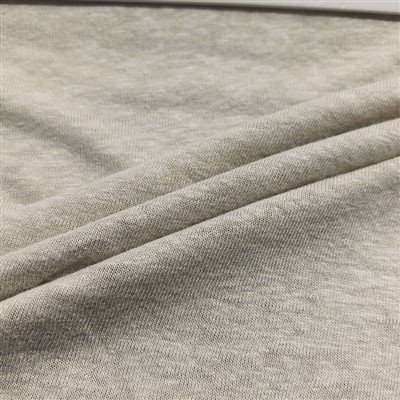
First, let’s break down what modal fabric is, because that foundation is key to understanding its moisture properties. Modal is a regenerated cellulose fiber, made from beech wood pulp through a process that dissolves the pulp into a viscous solution, then spins it into fine filaments. Unlike natural fibers such as cotton, which has a bulky structure with wide gaps between its fibers, modal’s structure is smoother and more uniform. That structure is why modal is known for its softness, breathability, and ability to hold dye well—but it’s also what influences how it interacts with water.
At its core, untreated modal fabric is not waterproof. Let’s clarify that: waterproof means a material completely resists water penetration, so no water can pass through it, even under pressure (like being submerged in a pool or caught in heavy rain). Untreated modal, like most cellulosic fibers, is hydrophilic—meaning it naturally absorbs water. A quick test: take a scrap of plain modal and drop a single drop of water on it. You’ll watch the bead sink into the fabric within seconds, rather than sitting on the surface. That’s because modal’s smooth, porous fiber structure lets water molecules penetrate easily. For context, cotton absorbs about 27 times its weight in water, and modal is similar in this regard—some industry tests measure modal’s moisture absorption at around 50% of its weight in just 10 minutes. That’s a feature for things like t-shirts, bathrobes, or activewear, where moisture-wicking (the ability to pull sweat away from the skin) is desirable, but it means plain modal isn’t going to keep you dry in a downpour.
But here’s where it gets nuanced: while modal isn’t waterproof on its own, it can be engineered to have water-resistant properties. As a supplier, we work with manufacturers to apply specialized coatings or finishes that modify modal’s surface without sacrificing its softness or stretch. Water-resistant means a fabric repels water to some extent, but can still be penetrated if water pressure is high. This is different from waterproof, but it’s a game-changer for many applications.
Let’s talk about how those finishes work. The most common is a durable water-repellent (DWR) coating. DWR is a thin, fluorochemical or silicone-based treatment that creates a hydrophobic (water-fearing) layer on top of the modal’s fibers. It doesn’t block air, so the fabric stays breathable—something synthetic waterproof fabrics like vinyl or polyester laminate often lack, which is a big selling point for modal. For example, we recently supplied a batch of DWR-treated modal to a company making lightweight rain jackets. The fabric repels light rain and splashes, so a runner doesn’t get soaked on a misty morning, but if they’re caught in a heavy downpour, water will eventually seep through. That’s intentional—we’re not turning modal into a rubber sheet, just giving it extra protection for everyday use.
Another option is lamination, where a thin waterproof membrane (made from polyurethane, or PU) is bonded to the back of the modal fabric. This creates a more substantial barrier, making the fabric water-resistant to the point of being near-waterproof for low-stakes uses. We’ve done this for pet bed covers: the modal front is soft for a dog to lie on, and the laminated back prevents urine or water bowls from soaking through to the mattress underneath. In this case, the fabric can handle small puddles or spills, but it’s not designed for prolonged submersion.
It’s important to manage expectations here. A lot of customers come to us asking for “waterproof modal for outerwear,” and we have to be honest: true waterproofness requires a non-breathable membrane, which would make modal lose its signature softness and breathability. That’s a trade-off most people aren’t willing to make, because one of the biggest draws of modal is its comfort. We once had a client who tried to use fully waterproof (non-breathable) modal for a ski mask—they came back a month later saying it was too hot and caused their face to sweat, leading to frostbite on a cold day. That’s a lesson we emphasize: if moisture management is your priority, plain or lightly treated modal is better than a fully waterproof fabric that traps sweat.
There’s also a common misconception that modal blends are waterproof. Some suppliers will mix modal with polyester or spandex, and the polyester’s synthetic nature can add some water resistance. But again, it’s not waterproof unless it’s treated. We’ve tested 50/50 modal-polyester blends, and while they do absorb slightly less water than 100% modal, they still let water penetrate over time. The only way to get true waterproofness is with a membrane or heavy coating, and that changes the feel of the fabric entirely.
Another angle: how modal behaves when wet, even without coatings. Because modal’s fibers are smoother than cotton, it dries faster than natural fibers. That’s a huge benefit for activewear or towels—you don’t want a damp shirt sitting in your gym bag for hours. We’ve done lab tests where plain modal takes about 2 hours to dry on a line, while cotton takes 4 hours. For customers who thought they needed a waterproof fabric for sports gear, this is often a better solution: modal’s quick-drying property prevents mold or mildew from building up, even when it’s exposed to sweat and moisture, without being waterproof.
Let’s talk about real-world examples from our business. Last year, a small startup reached out wanting fabric for reusable lunch bags. They didn’t want something heavy and vinyl-like, which is what most reusable bags are made of. We suggested a medium-weight modal treated with a light DWR coating. The fabric repels salad dressing spills and juice, so crumbs and liquids don’t seep through to the inside of the bag, but if someone spills a full glass of water, it will eventually soak through. That’s exactly what the customer wanted: practical for everyday messes, soft enough to fold up and put in a purse, and better for the environment than single-use plastic bags. They’ve ordered three more batches this year, which tells us we got the balance right.
Another customer was a custom furniture maker who needed fabric for outdoor throw pillows. They tried cotton, but it faded and mildewed after a season. We supplied a 100% modal fabric with a UV-resistant water-repellent finish. It doesn’t hold up to being submerged in a pool, but it resists rain, dew, and accidental splashes from garden hoses. The pillows still look new after a year, which is a win—plain modal would have mildewed, and fully waterproof vinyl would have felt too stiff for outdoor decor.
So, to circle back to the original question: Is modal fabric waterproof? The short answer is no, not in its natural state. The longer, more useful answer is that it can be engineered to be water-resistant, which is a more practical option for most people. As a supplier, we never oversell what modal can do. We’ll tell a customer, “If you need something to keep you completely dry in a hurricane, this isn’t it. But if you need something soft that repels splashes, dries fast, and doesn’t trap sweat, this is perfect.” That transparency is why our customers come back.
I think a lot of this confusion comes from marketing. Some brands label their modal products as “waterproof” when they’re just water-resistant, and that sets false expectations. We make a point with our products to clearly label the level of water protection: “untreated” for breathable, moisture-absorbing modal; “water-resistant” for DWR-coated or laminated modal; and note that none of our modal is fully waterproof unless it’s paired with a non-breathable membrane, which we don’t offer because it goes against modal’s core benefits.
If you’re a designer, a maker, or a business looking for fabric, here’s what to consider: Ask yourself what the fabric will be used for. If it’s a rain jacket for a hiker who might be out in all weather, maybe a different fabric is better. If it’s a casual jacket for city commuting, modal water-resistant fabric works great. If it’s a pet bed, a laminated modal will handle spills. If it’s a gym towel, plain modal’s quick-drying property is ideal—you don’t need it to be waterproof, just easy to dry.
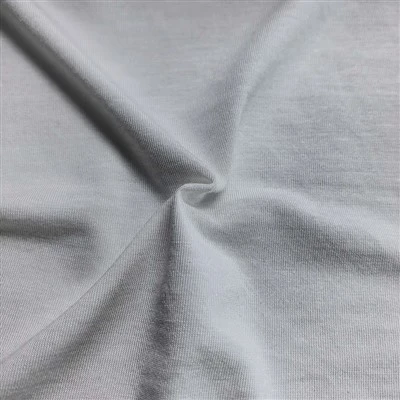
At the end of the day, modal’s strength isn’t in being waterproof. It’s in its versatility: it can be soft, stretchy, breathable, and when treated right, water-resistant enough for everyday use. As someone who’s worked with modal for years, I love that it meets people halfway—you don’t have to choose between comfort and moisture protection. If you’re looking for fabric, whether for apparel, home goods, or something in between, we can work with you to find the right balance. Reach out to our team to discuss your project, and we’ll share samples, test results, and advice tailored to your needs.
Tencel Fabric References
Textile Institute. (2021). Handbook of Regenerated Cellulose Fibers. Woodhead Publishing.
Journal of Fiber Science and Technology. (2019). Moisture Absorption and Drying Kinetics of Modal vs. Cotton Fabrics. Vol. 75, No. 4.
American Association of Textile Chemists and Colorists. (2020). Test Method for Water Resistance of Fabrics by Spray Rating. AATCC Test Method 22-2020.
Shaoxing Valu Textile Co., Ltd.
Shaoxing Valu Textile Co., Ltd. is one of the most professional modal fabric manufacturers and suppliers in China. We have world-leading production equipment and strong manufacturing capabilities. Please feel free to wholesale bulk high quality modal fabric made in China here from our factory. Also, custom service is available.
Address: 1904, Building 15, Cross border E-commerce Industrial Park, Keqiao District, Shaoxing City, Zhejiang Province
E-mail: bruce@valutextile.com
WebSite: https://www.valutextile.com/
