Hey folks, let’s cut to the chase—if you’ve ever dug into the world of oil and gas operations, you’ve definitely heard the word “fracking” thrown around. And when it comes to that, the big unsung hero (and sometimes the villain, if you ask the naysayers) is the fracturing equipment. I’ve been in this game for 12 years now, running a fracturing equipment supply company, so I’ve seen firsthand how this gear doesn’t just drill holes—it shapes the land, the air we breathe, and even the water under our feet. Today, I wanna talk about how that equipment impacts the environment, no BS, and how we’re working to make it way less messy. Fracturing Equipment

First off, let’s break down what fracturing equipment even is, because most people outside the industry have no clue. When operators frack a well, they use a whole fleet of rigs, blenders, high-pressure pumps, and sand conveyors. These aren’t your garden-variety tools—they’re massive, loud, and guzzle fuel like a pickup truck guzzles gas at a NASCAR race. But here’s the thing: not all of their environmental footprint is the same. A lot depends on how the gear’s built, how it’s operated, and how we handle the waste that comes with it.
Let’s start with the big one people yell about: air quality. Back in the day, old fracking pumps were clunky, old-school diesels that spewed enough nitrogen oxides (NOx) and particulate matter (PM) to make a city’s smog levels go through the roof. I remember a job in West Texas around 2010—our team showed up with a set of 1990s-era pumps, and the local air district actually flagged us for excess emissions before we even started fracking. We had to scramble to get temporary filters, which cost us a fortune and delayed the job. That’s when I realized: outdated equipment isn’t just bad for the environment—it’s bad for business too. Now, our new pumps are Tier 4 Final certified. For those who don’t know, that’s the EPA’s strictest emissions standard for off-road engines. They cut NOx by like 90% and PM by almost the same, just by using advanced exhaust filters and fuel injection tech. But even with that, we still work with operators to optimize how the pumps run—like syncing multiple units so they don’t all fire at max power at the same time, which cuts down on unnecessary emissions.
Then there’s noise pollution, which is a huge deal for communities living near well sites, especially at night. Old fracturing gear is loud—like, 100+ decibels loud, which is as bad as a chainsaw or a rock concert. I’ve had a farmer in North Dakota come up to me after a job, complaining his cattle were stressed and weren’t producing as much milk because of the noise. Back then, we just brushed it off, but now? We’ve got sound-dampening enclosures on all our new pumps and blenders. Some of our smarter clients even use remote-controlled operations, so the crew doesn’t have to sit right next to the gear all day. We also schedule the loudest parts of the job during daytime hours, when most people are at work or kids are at school. It’s a small change, but it’s made a massive difference in how we’re received by local communities.
Next up, water usage—this is the other hot button. Fracking uses a ton of water, right? Like, millions of gallons per well. But guess what? Most of that water isn’t just pulled from rivers or aquifers. A lot of operators now use recycled flowback water—water that’s already been used in previous frack jobs—and that’s where our equipment comes in. Our blenders are designed to handle that recycled water, even when it’s full of sediment and chemicals, so operators don’t have to pull new freshwater from local sources. I’ve seen some projects where they reuse 70-80% of their flowback water, which is huge for places like Texas or Colorado where droughts are common. But here’s the catch: if the equipment isn’t set up right, that recycled water can leak. We’ve had clients come back to us saying their old blenders had faulty hoses that spilled thousands of gallons of water onto the ground, which seeped into nearby drainage ditches. Now, all our gear has heavy-duty, puncture-resistant hoses and automated leak detection sensors that shut the system down in seconds if something’s wrong. It’s a simple fix, but it prevents so much unnecessary water waste.
Wait, I can’t forget about solid waste—all that sand, drill cuttings, and leftover chemicals that come out of the well. Old fracturing equipment would often leave piles of sand and cuttings sitting around the well site, which would get picked up by wind and blow onto nearby fields or roads. We used to just haul that stuff to landfills, but now we have equipment that processes those cuttings on-site. Our mobile cuttings dryers can remove most of the water from the waste, so what’s left is almost sand-like material that can be reused in concrete or road construction. It cuts down on landfill waste by like 60% and eliminates those ugly, dusty piles at well sites. I even had a client in Wyoming use the dried cuttings to fix up local dirt roads, which saved them money on road maintenance and reduced their environmental footprint—win-win, right?
But let’s be real, no matter how good the equipment is, there’s always a risk of spills. I’m not here to sugarcoat it. Chemical spills, oil leaks, water seepage—they happen, even with the best gear. The difference is, modern fracturing equipment is designed to minimize that risk. For example, our high-pressure pumps have secondary containment systems, so if a hose breaks or a seal leaks, the fluid doesn’t just pour onto the ground—it’s caught in a built-in pan that’s connected to a storage tank. We also train every operator on our gear to do pre-job inspections, check for worn parts, and respond fast if there’s an issue. Last year, we had a small spill on a job in Pennsylvania, and the operator caught it in 10 minutes because our leak sensors went off. They were able to contain it before any of it reached the local stream, and the clean-up only took a couple hours. Back in the day, that spill would’ve gone undetected for hours, causing way more damage.
Now, I know some people will say, “Yeah, but this is all just greenwashing.” I get it—there’s a lot of companies out there that talk a big game but don’t back it up. That’s why we put our money where our mouth is. We’ve invested in R&D to make our gear even more efficient. Our latest line of pumps uses hybrid technology—they pair a diesel engine with an electric motor, so when power is available from the grid, we switch to electric, cutting emissions even more. We’ve also got a program where we refurbish old equipment instead of selling it as scrap, which keeps thousands of pounds of metal out of landfills and saves operators 30-40% compared to buying new gear. It’s not just good for the planet—it’s good for our customers’ wallets too.
But here’s the thing: fracturing isn’t going away anytime soon. It’s a key part of the energy mix, and operators need reliable equipment to do it safely. The goal isn’t to eliminate fracking—it’s to make it as environmentally friendly as possible. And that starts with the gear. If you have cheap, old, poorly maintained equipment, you’re gonna have a bad time with emissions, waste, and spills. If you invest in modern, smart, well-built fracturing equipment, you can minimize that impact a lot.
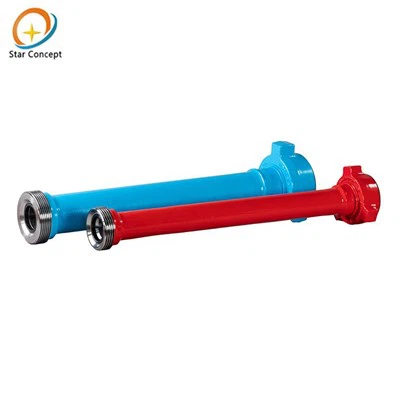
At the end of the day, I’ve been in this industry long enough to know that progress isn’t about perfection—it’s about getting better, one job at a time. We’re not there yet, but every time a client uses our Tier 4 pumps, or our water recycling blenders, or our on-site cutting dryers, that’s another step forward. If you’re an operator looking to upgrade your fracturing equipment, or just want to chat about how we can help reduce your environmental footprint, hit us up—we’re here to work with you, not against you.
Instrumentation References:
Environmental Protection Agency. (2021). Tier 4 Final Emissions Standards for Off-Road Engines. U.S. EPA.
American Petroleum Institute. (2022). Fracturing Equipment Environmental Best Practices. API.
Texas Water Development Board. (2023). Recycled Water Use in Oil and Gas Operations. TWDB.
Dongying Star Concept Petroleum Equipment Co., Ltd.
We are one of the most professional fracturing equipment manufacturers and suppliers in China. With abundant experience, we warmly welcome you to buy durable fracturing equipment made in China here from our factory. Good service and quality products are available.
Address: No. 9 Xisi Road, Dongying City, Shandong Province, China
E-mail: ellen@starconcept.cn
WebSite: https://www.star-cementing.com/
