If you’ve ever handled an NCM lithium battery—whether in a power tool, e-bike, or energy storage unit—you’ve probably heard that they “can catch fire” if misused. But as someone who’s been supplying these batteries for the last 7 years, I’m here to break down the actual, real-world fire risks that aren’t just clickbait, and what we (as a supplier) do to keep them (and you) safe. Let’s cut the jargon—no stuffy engineering papers, just what I’ve learned from working with these batteries day in and day out. NCM Lithium Battery
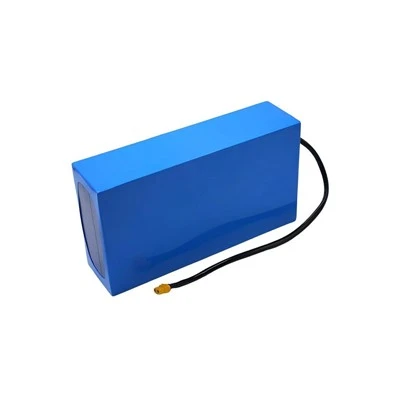
First, let’s get super basic: NCM stands for Nickel-Cobalt-Manganese, right? It’s the cathode mix that makes these batteries so popular—high energy density, long cycle life, and way better than old lead-acid for most applications. But that high energy density is the double-edged sword here. More energy packed into a smaller space means if something goes wrong, there’s way more fuel for a fire than, say, a AA alkaline battery. Let’s walk through the specific risks, not the vague “lithium batteries are dangerous” line.
The biggest one I see from both our suppliers and our clients is thermal runaway. Yeah, that’s the fancy term, but I’ll explain it like it’s a house fire starting from a bad wiring job. Thermal runaway happens when the battery’s internal temperature spikes—really fast—and it’s impossible to stop once it starts. Why does it spike? Most often from internal short circuits. How do those shorts happen? A tiny metal shard inside the cell (from manufacturing, weirdly—we run 5 quality checks a day to catch this) or a puncture from dropping the battery. Wait, not just big punctures—even a tiny nick from a cheap tool that didn’t have a rubber edge can pierce the separator, the thin plastic layer that keeps the positive and negative electrodes apart. When those touch, a small current flows, heats up the area, melts more of the separator, creates a bigger short, heats up even more, and boom—you get a thermal runaway event. That’s not just a “battery overheating”—that’s when it starts venting flammable gas, then catches fire, sometimes explodes if it’s a big pack like an energy storage unit.
Another super common risk I see is overcharging. Clients will plug in a battery overnight with a cheap charger they bought off Amazon, not one rated for NCM cells, and wonder why it’s puffing up. Wait, puffing is a red flag! If your battery feels squishy like a balloon, that’s gas building up from electrolyte breakdown because you charged it too much. The NCM cathode can’t handle voltages higher than around 4.2 volts per cell—push it past that, and the cathode starts breaking down, releases oxygen, which mixes with the flammable organic electrolyte in the battery, and that’s like adding accelerant to a fire. We had a client last year who used a universal charger for a whole pallet of our 10kWh NCM packs—half of them puffed, and one vented while they were unloading it. They weren’t using our recommended chargers, that’s on them, but it’s a risk we warn everyone about upfront.
Discharging too low is the flip side, and people don’t talk about it enough. NCM batteries hate being drained all the way down to zero. If you run an e-bike battery until it dies, or leave a power tool battery dead in the garage for months, the cells get “deep discharged.” That damages the anode (the negative side) and causes copper plating—tiny copper bits that break off and create internal shorts, same as a metal shard from manufacturing. We’ve seen clients who stored their spare NCM packs in a cool, dry place but never charged them back up, only to find one wouldn’t hold a charge and caught fire when they plugged it in. Crazy, right? It’s not just about charging too much—too little is just as bad.
Then there’s the environmental stuff, which I see way too often in industrial settings. If you’re using these batteries in a place that’s really hot—like a workshop where the temp hits 110°F in the summer, or a truck bed left in the sun all day—that’s a problem. NCM batteries don’t handle sustained high heat well. The electrolyte breaks down faster, the separator gets weaker, and the risk of thermal runaway jumps by like 3x, per the data we get from our battery chemists. Cold is almost as bad—charge an NCM battery when it’s below freezing, and the lithium doesn’t intercalate properly on the anode, forms lithium plating, which again causes shorts. I had a client in Canada last winter who tried charging their e-bike battery on the back porch at 10°F; the next time they used it, the cell got hot enough to melt the plastic casing. We sell heating pads for cold-weather charging now, just to stop that from happening—small fix, but it’s a big risk people miss.
Wait, what about old batteries? I get clients who want to use a 5-year-old NCM battery because it still “works,” and they don’t realize the degradation is a fire risk. As NCM batteries cycle, the cathode loses structure, the separator wears down, and internal resistance goes up. That means when you draw a lot of power (like running a full-power circular saw, or charging an EV battery fast), the battery heats up way more than a new one. We test returned old batteries sometimes, and half of them have internal shorts that only show up under a high draw. It’s not just that it won’t hold a charge—it could ignite when you least expect it.
Now, as a supplier, I’m not here to scare you off from NCM batteries—they’re way safer than old lithium-cobalt for most uses, and way better than lead-acid for your carbon footprint. But we don’t cut corners, which is why we address these risks head-on. Here’s what we do to mitigate these issues for our clients, because that’s what actually matters: we test every single cell before it leaves our warehouse—no exceptions. We do puncture tests, overcharge tests, thermal shock tests, and even X-rays to make sure there are no metal shards inside. We don’t use cheap separators or electrolytes—we work with our chemists to pick materials that are more thermally stable, so even if there’s a small short, it doesn’t turn into a full thermal runaway.
We also give every client a free, printed safety guide when they buy from us—no hidden fine print. It tells them exactly which chargers to use (our custom ones, obviously, but we also list third-party options that are approved), how to charge in extreme temps, what to do if their battery puffs (don’t throw it in the trash—call us, we’ll take it back for safe disposal), and how often to check old batteries for damage. Last month, a small landscaping company bought 20 of our NCM power tool batteries, and one of their guys noticed a slight puff on one—he followed our guide, called us, we picked it up, and replaced it for free before anything happened. That’s the stuff no big battery brand tells you about—small, personal support to stop fires before they start.
I also want to talk about common myths, because I hear these all the time. Myth 1: “All lithium battery fires are explosions.” No, most are slow, venting gas, which is actually how a lot of battery thermal runaway starts—if you catch it early, you can move the battery outside, don’t throw water on it (that can make it worse, by the way—water reacts with lithium). Myth 2: “LFP batteries are 100% safe.” Yeah, LFP (Lithium Iron Phosphate) has lower thermal runaway risk, but they also have lower energy density and shorter cycle life, so they’re not always the right pick. NCM is better for high-demand uses, as long as you handle them right. Myth 3: “If a battery isn’t smoking, it’s fine.” Wrong—internal damage from a drop or deep discharge can take weeks to show up. We once had a client drop a battery down a flight of stairs, it worked for 2 weeks, then caught fire while charging. That’s why we always tell clients to inspect every new battery for dents, scuffs, or puffing before using it.
Now, let’s get real about why this matters for you, the user. A fire from an NCM battery isn’t just a small fire in a cell—it can spread to tools, trucks, garages, even whole houses. We’ve seen news stories of e-bike fires in apartments, energy storage unit fires in warehouses, all because someone skipped basic safety steps. As a supplier, our job isn’t just to sell you a battery—it’s to make sure you know how to use it without putting yourself or your property at risk. We’ve had clients who tried to buy cheap batteries from a third party, saved a few bucks, and ended up losing a workshop to a fire—they came back to us because our batteries are more expensive upfront, but way cheaper than replacing everything after a fire.
If you’re using NCM batteries for your business—whether it’s landscaping equipment, e-bikes, solar energy storage, whatever—don’t take risks. Ask questions when you buy, get the safety guide, follow the rules. If you’re not sure if your current setup is safe, shoot us a message—we do free, quick safety checks for our clients’ existing battery packs, no cost, no sales pitch.
Wait, I want to add one more thing about a risk I’ve seen more lately: battery pack assembly. A lot of clients buy individual cells and assemble their own packs, and that’s a huge fire risk. If you don’t balance the cells properly (make sure each cell has the same charge level), some cells will overcharge or over-discharge, which causes internal shorts. We see so many custom-assembled packs that have cell imbalance issues—last year, a client built a solar storage pack from our cells, didn’t balance them, and it had a thermal runaway event within 6 months. We don’t sell individual cells to just anyone for that reason, but if you do build your own packs, we offer free balancing guides and troubleshooting support.
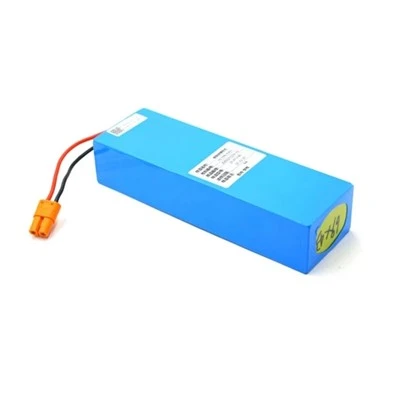
At the end of the day, NCM lithium batteries are amazing products that make so many things easier, cleaner, and more efficient—but they’re not indestructible. The fire risks are real, but they’re manageable if you know what to look for and follow basic safety steps. As a supplier, we’re not just here to make a sale—we’re here to be your resource for safe NCM battery use. If you’re looking to order NCM batteries for your project, need safety support, or have questions about your current setup, reach out to us to talk through your needs and find the right, safe solution for you.
Semi-solid Lithium-ion Battery References
- Battery University. (n.d.). Thermal Runaway in Lithium-Ion Batteries. Retrieved from Battery University academic library
- National Fire Protection Association. (2022). Lithium-Ion Battery Fire Risks and Mitigation for Commercial Applications. NFPA Technical Report
- International Energy Agency. (2021). Lithium Battery Safety in Stationary Energy Storage Systems. IEA Energy Storage Working Paper
- U.S. Consumer Product Safety Commission. (2023). E-Bike and Personal Electric Mobility Device Battery Fire Incident Data. CPSC Public Database
- Journal of Power Sources. (2020). Nickel-Cobalt-Manganese (NCM) Battery Degradation and Thermal Risk Under Extreme Operating Conditions. Vol. 475, Article 228657
Suzhou Huaqian Contemporary New Energy Technology Co., Ltd.
As one of the most professional ncm lithium battery manufacturers and suppliers in China, we warmly welcome you to wholesale bulk customized ncm lithium battery at competitive price from our factory. If you have any enquiry about cooperation, please feel free to email us.
Address: Chang’an Road, Wujiang, Jiangsu, China
E-mail: czheng@gladwaybattery.com
WebSite: https://www.gladwaybattery.com/
