Hey everyone, if you’ve ever been deep in the middle of a plumbing project—whether you’re a homeowner doing a bathroom reno or a contractor wrapping up a commercial build—you’ve probably stared at a PVC pipe at some point. And if you’re like most folks, you’ve definitely asked: “How long will this thing actually last?” As someone who’s been in the PVC pipe and fittings game for over a decade, I get it. No one wants to drop cash on materials that’ll need replacing in 5 years, right? Today, I’m breaking down the real lifespan of PVC pipes—no fancy jargon, just the straight talk you actually need. PVC Pipe & Fittings
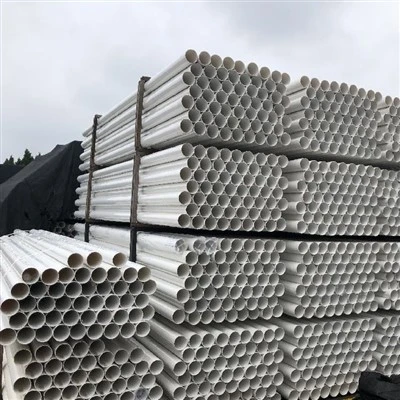
First off, let’s get one thing straight: PVC (that’s polyvinyl chloride, for the science nerds in the room) isn’t a one-size-fits-all material. Its lifespan isn’t written in stone—it depends on a ton of factors that most people don’t think about off the top of their head. I’ve seen PVC pipes last 70+ years, and I’ve also had calls from customers whose pipes crapped out in 15. Let’s talk about why that happens, starting with the big one: environment.
The environment the pipe’s in is probably the biggest variable. Let’s split this into two main categories: pipes that are underground (like sewer lines or water main pipes) and pipes that are above ground (like the ones in your attic or exterior wall). Underground PVC is the rockstar of the bunch. Why? Because it’s shielded from UV rays, extreme temperature swings, and physical damage that can happen above ground. I had a regular customer last year who was doing a backyard dig to install a new patio and hit an old PVC sewer line from the 1950s. It was still flexible, no cracks, no leaks—nothing. That line was buried 4 feet deep in a neighborhood that’s seen harsh winters and hot summers, and it’s still going strong.
Above ground is a different story. PVC hates UV light, full stop. If you leave a PVC pipe exposed to direct sunlight for years, the sun’s UV rays break down the plastic’s molecular structure. It gets brittle, starts to crack, and before you know it, you’ve got a leak. I’ve seen above-ground PVC on exterior fences for irrigation systems get so bad in 10 years that it crumbled when you touched it. Even if you paint it (wait, can you paint PVC? Yeah, but only with special paint), it’s not a permanent fix. The UV damage will still get to it eventually. That’s why most above-ground PVC uses in construction are covered—they’re run inside walls, in crawl spaces, or under soffits where they don’t see the sun.
Next up: what the pipe is carrying. PVC is used for way more than just water lines. It moves everything from cold potable water to hot water (wait, hold on—there’s hot and cold PVC, right? Important distinction!), chemicals, sewage, and even compressed air. If a pipe is moving cold potable water at normal residential pressures (around 40-80 PSI), that’s the sweet spot. PVC handles that like a champ. Hot water is a different animal. Standard PVC is only rated for cold water (up to 140°F), so if you try to use it for a water heater line or a hot tub, that’s a problem. There’s CPVC, which is the chlorinated version of PVC, rated for hot water up to 200°F, but even CPVC’s lifespan drops when pushed to its limits. I’ve had customers mix up PVC and CPVC before, and that leads to leaks within a year. Not worth the cheap mistake.
Then there’s sewage or chemical lines. Commercial facilities, like factories or food processing plants, often use PVC to move wastewater or even mild chemicals. The key here is what kind of chemicals. PVC is resistant to a lot of stuff—acids, bases, salts, even some weak solvents—but it’s not indestructible. If you’re moving harsh chemicals, like strong acids or petroleum products, that eats away at the PVC over time. I had a client in a car repair shop once who used standard PVC for his drain line; the gasoline and oil runoff ate through the pipe in 3 years, and he had to replace it with a chemical-resistant HDPE pipe instead. That’s the kind of thing you don’t plan for, but it’s critical to get the right pipe for the job.
Pressure is another big one. PVC pipes come in different pressure ratings, usually Schedule 40, Schedule 80, and so on. The higher the schedule, the thicker the pipe wall, and the higher the pressure it can handle. If you use a Schedule 40 pipe for a commercial line that needs to handle 150 PSI, that pipe’s going to be under constant stress, and its lifespan will be way shorter than if you used the right Schedule 80 pipe. I always tell customers: don’t skimp on the schedule to save a few bucks up front. It’ll cost you way more in repairs later.
Now, what about installation? That’s a make-or-break factor that people rarely think about. Even the best pipe in the world will fail if it’s installed wrong. Let’s say you’re burying a PVC sewer line, and you dig the trench with sharp rocks. If you don’t line the trench with sand or gravel to cushion the pipe, those sharp rocks will rub against it over time, creating scratches and nicks. Those nicks become weak points, and eventually, the pipe will crack. I’ve seen that a lot—homeowners dig their own trenches, skip the cushion, and then have a pipe leak 5 years later.
Then there’s the joints. PVC fittings are glued together with primer and cement, right? If you don’t prep the pipe and fitting correctly—like if you don’t sand the end of the pipe or let the cement dry long enough before pressurizing the line—the joint will leak. That’s not a pipe lifespan issue, but it sure feels like it. Proper installation also means supporting the pipe correctly. For above-ground pipes, you need hangers every few feet to keep the pipe from sagging. Sagging pipes can create stress points, especially when the temperature changes, leading to cracks. I had a contractor buddy who skipped hangers on an exterior water line, and it sagged so bad in the summer heat that it split at a joint in 2 years. Oops.
Wait, what about real-world data, not just my anecdotes? I’ve worked with a lot of industry studies over the years, and most of them line up with what I’ve seen. The Plastics Pipe Institute (PPI), which is the go-to authority on plastic pipes, says that properly installed PVC pipes in underground, low-stress applications (like cold potable water lines or gravity sewer lines) can last 50 to 100 years. Some older studies even found pipes from the 1920s that are still in use today. That’s wild, right? Compare that to metal pipes, like steel or galvanized, which usually last 20-50 years before corroding. PVC is way ahead in that department.
But let’s be realistic—most pipes won’t hit 100 years. The average lifespan for residential PVC water lines is around 70 years, and sewer lines are around 50-80 years. Above-ground PVC, if it’s covered and not exposed to extreme elements, is around 20-50 years. Exposed above-ground, especially in sunny climates, it’s more like 10-20 years. That tracks with what I’ve seen in the field.
What are the common things that shorten PVC’s lifespan? UV exposure we already talked about, but also extreme temperatures. PVC gets brittle in really cold weather (below 0°F) and softens in very hot weather (above 140°F for standard PVC). If you live in a place like Minnesota, where winters are brutal, you have to insulate your exposed PVC pipes to keep them from freezing and cracking. Freezing water expands, so if a pipe is full of water and freezes, it’ll burst—even if the pipe is brand new. That’s not a material flaw, that’s a protection flaw.
Another big one: chemical exposure, which we touched on earlier, but also environmental factors like soil acidity. If you’re in an area with super acidic soil (like parts of the Pacific Northwest or the Southeast), that can break down PVC over time. It’s not as common as UV or temperature, but it’s a factor. I had a customer in Georgia whose soil was really acidic, and his underground PVC line lasted 30 years instead of 60 because of that. Crazy what the ground can do.
Wait, let’s debunk a common myth here. A lot of people think PVC is toxic, so they shouldn’t use it for drinking water. But modern PVC pipes—especially potable water PVC—are made with lead-free stabilizers and meet strict FDA standards. The old PVC from the mid-20th century might have had some additives that were questionable, but today’s PVC is safe for drinking water lines. I sell only lead-free potable PVC, and I’ve never had a complaint about that.
So, what does this mean for you, whether you’re a homeowner, a contractor, or a project manager? If you want your PVC pipes to last as long as possible, follow these rules: first, pick the right pipe for the job. Don’t use standard PVC for hot water, don’t use regular PVC for chemical lines, and make sure the pressure rating matches what your system needs. Second, install it correctly. Prep the joints, cushion underground pipes, hang above-ground ones properly, and protect it from UV if it’s going to be exposed. Third, maintain it every few years. Check for leaks, look for signs of brittleness or cracks, and replace any parts that are showing wear before they become big problems.
I’ve been supplying PVC pipes and fittings for years, and my number one goal is to make sure my customers don’t have to deal with premature pipe failures. That’s why I always take the time to ask about their project, the environment, what the pipe will be carrying, and the pressure requirements, so I can point them to the right product. I’ve had customers come to me after getting bad advice from a big box store, and we fix their order so they get a pipe that’ll last for decades.
If you’re planning a project right now—whether it’s a new home build, a plumbing replacement, an irrigation system, a commercial job, whatever—and you’re not sure which PVC pipe or fittings you need, don’t guess. Reach out. I’m here to answer all your questions, help you pick the right products, and make sure your project is built to last. No pressure, no sales pitch—just real advice from someone who’s been in the trenches with PVC for years.
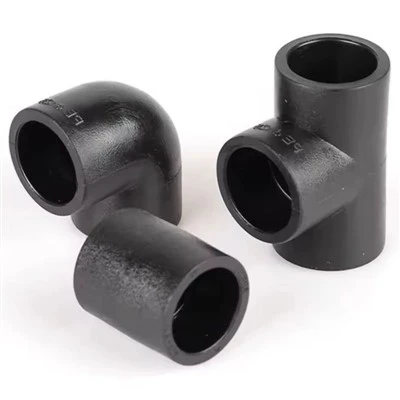
At the end of the day, PVC is one of the most durable, cost-effective building materials out there, but only if you use it right. Its lifespan is way longer than most people give it credit for, but it’s not magic. It depends on the choices you make when selecting and installing the pipe. If you do it right, you’ll never have to worry about your PVC pipes failing prematurely. If you cut corners, you’ll be calling me way sooner than you want to. So do it right, and your pipes will be there for you for generations.
PVC Pipe & Fittings References:
Plastics Pipe Institute. (2021). PVC Pipe Handbook.
American Water Works Association. (2019). PVC Water Pipe Performance in North America.
ASTM International. (2020). Standard Specification for Polyvinyl Chloride (PVC) Plastic Pipe, Schedules 40, 80, and 120.
National Sanitation Foundation. (2022). Standard 61: Drinking Water System Components – Health Effects.
Shanxi Kaisheng Plastic Co., Ltd.
As one of the most professional pvc pipe & fittings manufacturers and suppliers in China, we’re featured by quality products and good price. Please rest assured to buy customized pvc pipe & fittings made in China here from our factory. Welcome to contact us for quotation.
Address: No.72, Area S, Gate 1, Haohai Wumart, Fendong Street, Xiaodian District, Taiyuan City, Shanxi Province
E-mail: sxkssj8@163.com
WebSite: https://www.sx-kssj.com/
