Endoscopy and imaging systems have revolutionized the medical and industrial fields, offering a non – invasive or minimally invasive way to visualize internal structures. As a leading supplier of endoscopes and imaging systems, I am excited to share how these two remarkable technologies work in harmony to provide detailed and accurate visual information. Endoscopes and Imaging Systems
The Basics of Endoscopes
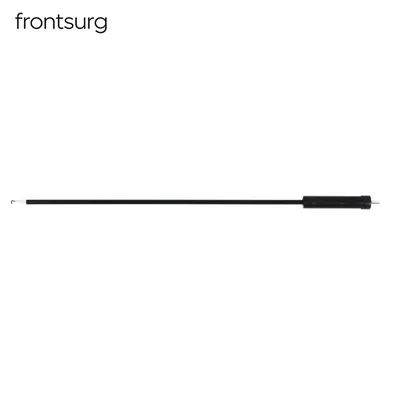
At the heart of endoscopic examination is the endoscope itself. An endoscope is a long, thin tube equipped with a light source and a lens system. The light source is crucial as it illuminates the internal area of interest. This can be anything from the human digestive tract in a medical setting to the inner workings of a machine in an industrial environment.
There are different types of endoscopes, each designed for specific applications. Flexible endoscopes are commonly used in medical procedures such as gastroscopy and colonoscopy. They can bend and navigate through the tortuous paths of the body’s internal organs. Rigid endoscopes, on the other hand, are often used in surgical procedures where a straight – line view is required, such as in arthroscopic surgeries of joints.
The endoscope’s lens system is responsible for capturing the image. In modern endoscopes, this is typically a charge – coupled device (CCD) or a complementary metal – oxide – semiconductor (CMOS) sensor. These sensors convert the light reflected from the internal structure into an electrical signal, which can then be processed to form an image.
The Role of Imaging Systems
Once the endoscope has captured the image in the form of an electrical signal, the imaging system takes over. The imaging system is a complex set of hardware and software components that work together to process, enhance, and display the image.
The first step in the imaging system is the signal processing unit. This unit receives the electrical signal from the endoscope’s sensor and converts it into a digital image. It corrects for any color imbalances, adjusts the brightness and contrast, and enhances the sharpness of the image. This is essential because the initial image captured by the endoscope may be affected by factors such as the quality of the light source, the distance from the object, and the presence of any fluids or debris in the field of view.
After the signal processing, the image is then displayed on a monitor. The monitor used in an endoscopic imaging system is usually a high – resolution display that can show the fine details of the internal structure. Some advanced imaging systems also support 3D visualization, which provides a more realistic and immersive view of the object being examined.
In addition to image processing and display, the imaging system also offers features for image storage and archiving. This allows medical professionals to keep records of their patients’ examinations for future reference and comparison. In industrial applications, it enables technicians to document the condition of equipment and track the progress of maintenance or repair work.
The Synergy between Endoscopes and Imaging Systems
The relationship between endoscopes and imaging systems is symbiotic. The endoscope provides the means to access and capture images of internal structures, while the imaging system enhances and presents these images in a meaningful way.
For example, in a medical endoscopy procedure for diagnosing a gastrointestinal disease, the flexible endoscope is inserted through the patient’s mouth or rectum and guided to the area of interest. The light source on the endoscope illuminates the digestive tract, and the CCD or CMOS sensor captures the reflected light. This signal is then sent to the imaging system.
The imaging system quickly processes the signal, adjusting the image in real – time to account for the changing conditions inside the body. The doctor can then view the high – quality, sharp image on the monitor and make an accurate diagnosis. The imaging system also allows the doctor to capture still images or record videos of the examination, which can be shared with colleagues for consultation or used for patient education.
In industrial applications, such as inspecting the inside of a large pipeline, a rigid endoscope may be used. The endoscope is inserted into an access port of the pipeline, and the imaging system provides a clear view of any corrosion, blockages, or structural damage. The ability to visualize these problems quickly and accurately helps in planning maintenance and repair operations, reducing downtime and costs.
Advanced Technologies in Endoscopy and Imaging Systems
To further improve the performance of endoscopes and imaging systems, several advanced technologies have been developed.
One such technology is fluorescence endoscopy. In fluorescence endoscopy, special dyes are used to label specific cells or tissues. When the endoscope’s light source emits a specific wavelength of light, the labeled cells or tissues fluoresce, making them stand out in the image. This can be extremely useful in early cancer detection, as cancerous cells may take up the dye differently from normal cells.
Another advanced technology is narrow – band imaging (NBI). NBI uses a special filter in the endoscope’s light source to emit light in a narrow wavelength range. This enhances the visualization of the surface texture and blood vessels of the internal structure. In medical applications, NBI can help in detecting precancerous lesions and differentiating between different types of tissues more accurately.
In the imaging system, artificial intelligence (AI) is starting to play an important role. AI algorithms can analyze the images captured by the endoscope in real – time. They can detect patterns and abnormalities that may be difficult for human eyes to spot, providing additional support for diagnosis. For example, an AI – based system can be trained to identify early signs of polyps in a colonoscopy image, reducing the chances of missed diagnoses.
Applications and Benefits
The combination of endoscopes and imaging systems has a wide range of applications. In the medical field, it is used for diagnosis, treatment, and monitoring of various diseases. It has replaced many invasive surgical procedures, reducing the risk of complications, pain, and recovery time for patients. For example, endoscopic surgery allows doctors to remove tumors or repair damaged tissues without making large incisions.
In the industrial sector, endoscopes and imaging systems are used for non – destructive testing of equipment and structures. They can detect internal defects in machinery, pipelines, and engines without the need to disassemble them. This saves time and money, as well as prevents unnecessary damage to the equipment.
The benefits of using endoscopes and imaging systems together are numerous. They provide high – quality, detailed images that can lead to more accurate diagnoses and better treatment outcomes. They are also relatively safe and minimally invasive, which is beneficial for patients and operators. Moreover, the ability to store and share images electronically simplifies the process of collaboration and follow – up care.
Contact Us for Procurement
As a supplier of cutting – edge endoscopes and imaging systems, we are committed to providing our customers with the highest quality products and services. Our team of experts is always on hand to assist you in choosing the right endoscope and imaging system for your specific needs, whether you are a medical facility or an industrial enterprise.
Disposable Trocar If you are interested in learning more about our products, or if you are ready to start the procurement process, we encourage you to get in touch with us. We can offer customized solutions, competitive pricing, and excellent after – sales support. Let us help you harness the power of endoscopy and imaging systems to improve your operations and achieve better results.
References
- Fujii, T., & Hurlstone, D. P. (2015). Narrow – band imaging in gastrointestinal endoscopy. Gastroenterology, 149(2), 371 – 385.
- Izuishi, K., & Aihara, E. (2009). Fluorescence imaging endoscopy and its application in gastroenterology. Journal of Gastroenterology, 44(6), 521 – 532.
- Han, D. K., & Drew, D. A. (2017). Integration of artificial intelligence into endoscopic diagnosis and therapy. Therapeutic Advances in Gastroenterology, 10, 97 – 106.
Frontmed (Hangzhou) Trading Co., Ltd.
Frontmed (Hangzhou) Trading Co., Ltd. is one of the most experienced endoscopes and imaging systems manufacturers and suppliers in China, also supports custom service. Please rest assured to wholesale high quality endoscopes and imaging systems made in China here from our factory. Contact us for more details.
Address: Room 406, Building 6, No.1688 Chunjiang East Rd, Tonglu, 311500, Hangzhou
E-mail: alex@frontsurg.com
WebSite: https://www.frontsurg.com/
