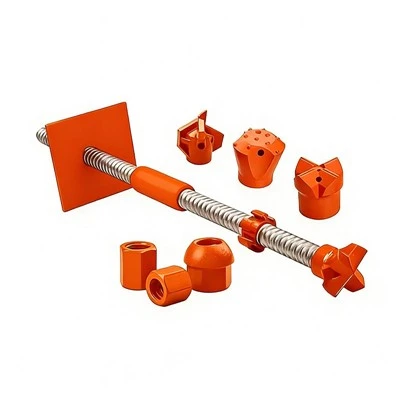
In the realm of surface mining, quarrying, and various construction projects, Down-The-Hole (DTH) drilling tools play a pivotal role. As a trusted DTH drilling tools supplier, I’ve witnessed firsthand the impact that efficient drilling tools can have on project timelines, costs, and overall success. In this blog post, I’ll share some insights and strategies on how to enhance the efficiency of DTH drilling tools. DTH Drilling Tools
Understanding DTH Drilling Tools
Before delving into efficiency improvement strategies, it’s essential to have a clear understanding of DTH drilling tools. DTH drilling is a method where the hammer is located at the bottom of the drill string, near the drill bit. Compressed air is pumped down the drill string to power the hammer, which then strikes the drill bit against the rock. This direct – acting hammer mechanism allows for more efficient energy transfer to the drill bit, resulting in faster and more precise drilling compared to other methods.
The main components of DTH drilling tools include the hammer, drill bit, drill pipe, and compressor. Each component plays a crucial role in the overall performance of the drilling system, and any inefficiencies in these parts can have a significant impact on the entire process.
Selecting the Right Tools
One of the first steps in improving the efficiency of DTH drilling tools is selecting the right tools for the specific application. Different types of rocks and drilling conditions require different drill bits and hammers. For example, in soft rock formations, a hammer with a lower blow energy may be sufficient, while in hard and abrasive rocks, a more powerful hammer and a drill bit with a tougher carbide insert are needed.
When choosing drill bits, consider the type of rock, the required hole diameter, and the drilling depth. Tungsten carbide inserts are commonly used in drill bits due to their high hardness and wear resistance. The shape and arrangement of these inserts can also affect the drilling performance. For instance, a bit with a button – shaped insert is often suitable for general – purpose drilling, while a chisel – edged bit may be more effective in certain types of rock formations.
Similarly, the hammer should be selected based on the air volume and pressure provided by the compressor. An undersized hammer won’t be able to generate enough power to break through the rock efficiently, while an oversized hammer may waste energy and cause unnecessary wear on the drill string.
Maintaining the Tools
Proper maintenance is crucial for ensuring the long – term efficiency of DTH drilling tools. Regular inspection and servicing can prevent premature wear and failure of the components. Here are some key maintenance practices:
Cleaning
After each use, the drill bits and hammers should be cleaned thoroughly to remove dirt, rock debris, and other contaminants. This helps prevent abrasion and corrosion, which can reduce the performance of the tools. Compressed air can be used to blow out any debris from the internal passages of the hammer and drill bit.
Lubrication
Lubrication is essential for reducing friction and wear between the moving parts of the hammer. Most DTH hammers require a specific type of lubricant, and it should be applied at the recommended intervals. Over – lubrication can also be a problem, as it may cause the lubricant to mix with the rock cuttings and clog the tool’s internal passages.
Inspection
Regularly inspect the drill bits for signs of wear, such as chipped or worn – out carbide inserts. Replace the drill bit as soon as the wear exceeds the recommended limit. Inspect the hammer for any damage to the piston, valve, and O – rings. Any worn or damaged parts should be replaced immediately to avoid further damage to the tool.
Sharpening
In some cases, drill bits can be sharpened to extend their service life. However, this should be done by a professional using the correct equipment and techniques. Improper sharpening can damage the drill bit and reduce its performance.
Optimizing the Drilling Process
In addition to tool selection and maintenance, optimizing the drilling process itself can significantly improve the efficiency of DTH drilling tools.
Air Pressure and Volume
The air pressure and volume provided by the compressor are critical factors in DTH drilling. Insufficient air pressure or volume can result in a weak hammer blow, slow drilling speed, and poor hole quality. On the other hand, excessive air pressure can cause excessive wear on the tools and increase energy consumption.
It’s important to match the air supply of the compressor with the requirements of the hammer. This may involve adjusting the compressor settings or using a compressor with a different capacity. Regularly measuring the air pressure and volume during drilling operations can help identify and correct any issues.
Drill String Stability
A stable drill string is essential for efficient drilling. Ensure that the drill pipes are properly connected and tightened to prevent any loosening during drilling. Vibrations in the drill string can cause premature wear on the tools and reduce the accuracy of the drilling. Using stabilizers at appropriate intervals along the drill string can help minimize vibrations and improve the straightness of the hole.
Rotation Speed
The rotation speed of the drill string also affects the drilling efficiency. A too – low rotation speed may cause the drill bit to stick in the rock, while a too – high rotation speed can increase wear on the drill bit. The optimal rotation speed depends on various factors, such as the type of rock, the diameter of the drill bit, and the hammer’s performance. Experimenting with different rotation speeds and monitoring the drilling progress can help determine the best speed for a particular application.
Training and Operator Skill
The skill and knowledge of the drill operator play a significant role in the efficiency of DTH drilling tools. A well – trained operator can make better decisions regarding tool selection, drilling process optimization, and maintenance.
Provide comprehensive training to the drill operators on the proper use and maintenance of DTH drilling tools. This training should cover topics such as tool selection, air compressor operation, drill string setup, and troubleshooting. Encourage operators to share their experiences and learn from each other.
Regularly evaluate the operator’s performance and provide feedback. This can help identify areas for improvement and ensure that the operators are following the best practices for efficient drilling.
Embracing New Technologies
The DTH drilling industry is constantly evolving, with new technologies emerging to improve the efficiency of drilling tools. For example, some modern hammers are designed with advanced valve systems that optimize the air flow and increase the blow energy. These hammers can drill faster and more efficiently than traditional models.
New drill bit materials and designs are also being developed to enhance wear resistance and drilling performance. Some drill bits feature self – sharpening carbide inserts, which maintain their cutting edges for longer periods.
As a DTH drilling tools supplier, I’m always on the lookout for the latest technologies and trends in the industry. I can provide customers with access to these new and improved tools, helping them stay ahead of the competition and improve their drilling efficiency.
Conclusion
Improving the efficiency of DTH drilling tools is a multifaceted process that involves selecting the right tools, proper maintenance, optimizing the drilling process, training the operators, and embracing new technologies. By implementing these strategies, you can reduce drilling time, lower costs, and improve the overall quality of your projects.
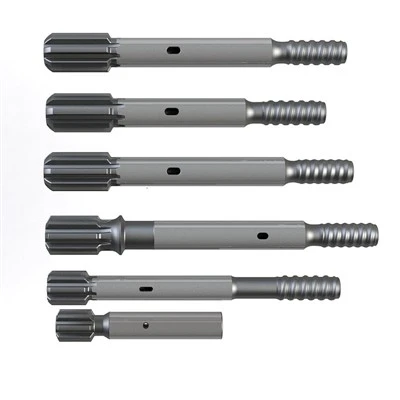
Shank Adapters If you’re looking for high – quality DTH drilling tools and expert advice on how to improve your drilling efficiency, don’t hesitate to reach out. Our team of experienced professionals is ready to assist you in finding the best solutions for your specific needs. Whether you’re a small – scale contractor or a large – scale mining company, we can provide you with the tools and support you need to achieve your drilling goals.
References
- Smith, J. (2018). "Advanced Drilling Techniques for DTH Tools". Journal of Mining Engineering.
- Johnson, R. (2019). "Optimizing Air Supply in DTH Drilling". Drilling Technology Magazine.
- Brown, S. (2020). "Maintenance Best Practices for DTH Drilling Tools". Construction Equipment Journal.
Super Rock Machinery Equipment (Qingdao) Co., Ltd.
We are one of the most professional DTH drilling tools manufacturers and suppliers in China, featured by quality products and good price. Please feel free to buy advanced DTH drilling tools for sale here from our factory. Welcome to view our website for more information.
Address: No. 45, Pengwan Road, Qianwan Bonded Port Area, Qingdao Sub-district, Free Trade Pilot Zone, Shandong China
E-mail: sales@superrocktools.com
WebSite: https://www.superrocktools.com/
