If you’ve ever stood next to a gas steam boiler during a routine maintenance check, you know it doesn’t run silently. Those low rumblings are a mix of heat and, for many operators, a quiet concern about emissions. As a gas steam boiler supplier, I’ve spent thousands of hours walking plant floors, troubleshooting small inefficiencies, and talking to facility managers who need performance without the environmental cost. Today, I’m sharing the practical, science-backed steps we recommend to cut emissions, straight from the field—not some theoretical playbook written in an office. Gas Steam Boiler
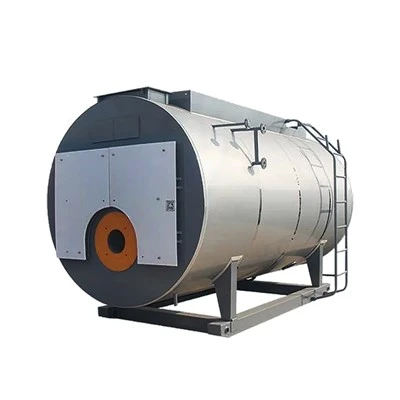
First, let’s get one thing straight: gas steam boilers are already cleaner than their coal or oil-fired counterparts, but that doesn’t mean there’s no room to improve. Our customers often come to us wanting to hit regulatory targets, reduce their carbon footprint, and even lower long-term operating costs. The good news is most emission reductions don’t require a full boiler replacement—they’re small, targeted adjustments that add up fast.
The biggest emissions culprit for gas steam boilers isn’t the fuel itself, but incomplete combustion. When natural gas (mostly methane) doesn’t mix properly with oxygen, it doesn’t burn all the way. That leads to excess unburned hydrocarbons, carbon monoxide (CO), and even small amounts of nitrogen oxides (NOx) which form when high heat makes nitrogen and oxygen molecules bind. A lot of managers don’t realize how easy it is to fix this with regular combustion tuning.
Last year, we worked with a food processing plant that was struggling to meet their state’s CO limits. Their boiler was a standard mid-sized model, installed five years prior, and they’d only had it inspected once since commissioning. Our service team did a full combustion analysis: they tested oxygen levels in the flue gas, adjusted the air-fuel ratio, and calibrated the burner’s fuel and air vents. Before the tune-up, their CO output was 12 parts per million (ppm)—well over the 5 ppm limit set by the state. After, it dropped to 2.1 ppm. The plant didn’t have to buy a new boiler; they just spent two hours tuning the existing one. We’ve seen this same result with bakeries, textile mills, and even small manufacturing facilities. The key here is to tune combustion annually, or after any boiler maintenance (like replacing a burner nozzle or cleaning heat exchangers). Even a small shift in air flow can throw off the balance.
Another simple, high-impact step is to upgrade your burner technology. Traditional atmospheric burners, which mix air with gas before combustion, are affordable but inefficient. They’re a big source of NOx emissions, especially in older boilers. We’ve been installing low-NOx burners on customer boilers for the past decade, and the difference is immediate. Low-NOx burners work by creating cooler, more controlled flames that prevent nitrogen and oxygen from reacting. Some use flue gas recirculation (FGR), where a small portion of the exhaust gas is fed back into the combustion chamber to lower the temperature. Others stage the fuel supply, so only part of the gas is burned at a time, keeping peak temperatures down. Last year, a chemical plant switched from their old atmospheric burner to a low-NOx model, and their NOx emissions dropped by 45%—all while burning the same amount of fuel. It’s important to note that not all low-NOx burners are the same. We always work with customers to match the burner to their boiler size and load, because an oversized burner will run inefficiently even with the best technology.
Heat loss is another hidden source of emissions. When your boiler’s heat escapes through uninsulated pipes, leaky valves, or a poorly sealed stack, you’re wasting fuel and burning more than you need to produce steam. A common mistake we see is managers ignoring insulation on the sides of the boiler itself. Modern boilers have thick insulation, but over time, that insulation can degrade, especially if it’s exposed to moisture or high temperatures. We recommend checking boiler insulation every two years, and adding or replacing it if it’s cracked or damaged. For pipes carrying steam to end users, even a thin layer of insulation can cut heat loss by 80%. A paper mill we work with did a full audit of their steam system two years ago, and found 12% of their heat was escaping through uninsulated pipes and a leaky stack damper. After adding insulation and replacing the damper, they cut their fuel use by 9%—which, in turn, reduced their emissions by nearly the same percentage. That’s a double win: lower operating costs and a smaller environmental footprint.
If you’re operating a boiler that runs at variable loads, like a plant that turns production up and down depending on demand, you need to make sure your system can adjust quickly. Older boilers often run at a constant load, even when they only need a small amount of steam, which leads to incomplete combustion and higher emissions. Modulating burners, which adjust both fuel and air flow in real time based on steam demand, fix this. They’re more expensive than standard burners upfront, but they pay for themselves in a couple of years through lower fuel use and reduced emissions. We installed modulating burners at a packaging plant that runs two shifts a day, with peak loads during the day and minimal load at night. Before the upgrade, their boiler would cycle on and off 15 times an hour, leading to unburned fuel and high CO emissions. After, it runs smoothly, matching its output to actual demand, and their cycle emissions dropped by 60%. For facilities with fluctuating loads, this isn’t just a nice upgrade—it’s a necessary step to meet modern emission standards.
Water chemistry might seem unrelated to emissions, but it’s actually a critical factor. If your boiler’s water has too much dissolved oxygen or minerals, it can cause corrosion in the heat exchanger. Corroded heat exchangers have uneven heat transfer, which means parts of the boiler run hotter than they should, increasing NOx emissions. Worse, corrosion can lead to expensive breakdowns and unplanned downtime. We work with customers to set up a regular water testing schedule, checking for pH levels, dissolved solids, and oxygen content. Last year, a power generation plant was dealing with recurring corrosion issues, and their NOx emissions were 30% higher than similar facilities using proper water treatment. After adjusting their water chemistry and installing a deaerator to remove excess oxygen, their corrosion stopped, and their NOx levels dropped to match industry standards. It’s a simple step that many operators overlook, but it makes a big difference in both performance and emissions.
Finally, regular, professional maintenance isn’t a luxury—it’s the backbone of emission reduction. Even the most efficient boiler will start to lose performance if you skip a cleaning or a calibration. We recommend a quarterly visual check, a semi-annual combustion analysis, and a full annual service that includes cleaning the burner, inspecting the heat exchanger, and testing all controls. One of our long-term customers, a brewery, has been using our boilers for seven years, and they stick to this maintenance schedule. Their emissions have stayed well below limits, and they haven’t had a major breakdown in that time. Another customer, who skipped maintenance for three years, saw their CO emissions triple and their fuel use go up by 18%—all because a clogged burner nozzle was preventing proper fuel-air mixing. The cost of a maintenance plan is a tiny fraction of the cost of higher fuel bills, regulatory fines, or a new boiler.
I want to be clear: there’s no one-size-fits-all solution for every facility. A small bakery might only need a combustion tune-up and some pipe insulation, while a large chemical plant might need a new low-NOx burner and a modulating system. That’s why as a gas steam boiler supplier, we don’t just sell equipment—we work with customers to audit their current setup, identify the biggest emission drivers, and create a plan that fits their budget and goals. Whether you’re looking to meet local regulations, reduce your carbon footprint, or cut operating costs, there’s a step you can take right now.
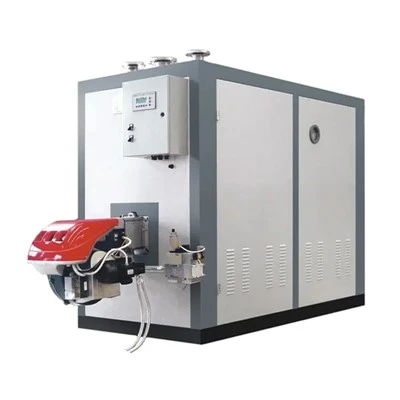
If you’re ready to talk about how to reduce your gas steam boiler emissions, we’d love to help. Whether you need a quick audit, a burner upgrade, or a full system review, our team of experts is here to guide you through every step.
Gas Steam Boiler References
- U.S. Environmental Protection Agency. (2022). “Stationary Source Emission Guidelines for Commercial and Industrial Boilers.”
- American Boiler Manufacturers Association. (2021). “Best Practices for Gas-Fired Steam Boiler Operation and Emission Control.”
- International Association of Plumbing and Mechanical Officials. (2020). “Low-NOx Burner Technology for Commercial Steam Systems.”
- Energy Star. (2022). “Reducing Energy Loss in Steam Systems: A Guide for Facility Managers.”
- National Fire Protection Association. (2021). “Boiler Water Chemistry Standards for Corrosion Prevention and Efficiency.”
Xinxiang Huayuan Container Equipment Co., Ltd.
With abundant experience, we are one of the most reliable gas steam boiler manufacturers and suppliers in China. We warmly welcome you to buy durable gas steam boiler made in China here from our factory. If you have any enquiry about cooperation, please feel free to email us.
Address: No.2, South Road, Industrial Cluster Zone, Genghuang Township, Fengquan District, Xinxiang City, Henan Province
E-mail: cncd527@gmail.com
WebSite: https://www.huayuanequipment.com/
