Hey there, fellow garden lovers! Let’s cut to the chase—if you’ve ever stared at a overgrown flower bed at dusk and half-expected to see tiny, fuzzy creatures darting between the rose bushes, you’re not alone. I’m the owner of that little spot you might’ve seen popping up at local farmers’ markets, the one with the hand-painted sign that says “Whimsical Garden Creatures” (don’t worry, I don’t have a fancy business name—just me, my partner, and a garage full of weird, wonderful statuary that makes neighbors crack smiles). Over the years, I’ve talked to hundreds of folks who ask me the same thing: “What even are these whimsical garden creatures, anyway?” Yeah, I get it—when you sell things like a badger holding a tiny trowel or a mushroom-shaped gnome with a grumpy cat on its shoulder, people want to know if these are real (spoiler: most aren’t, but some are based on actual animals that are way more fun than you think). Let’s dive into the ones that my customers lose their minds over—plus, the real science that makes these little guys feel less like a random statue and more like something that could actually hang out in your backyard. Whimsical Garden Creatures
First up: the leaf-mimicking mermaid shrew. Wait, what? Shrews are tiny, aggressive little mammals that look like overgrown mice with pointy snouts, right? And mermaids are… well, mythical sea creatures. But here’s the hook: the statuary I sell isn’t just a mashup. Real shrews have super unique fur—some species, like the Eurasian water shrew, have hydrophobic hairs that let them glide across water for short distances, and the North American masked shrew has a fur pattern that looks like it’s wearing a tiny mask, almost like a mermaid’s scaley pattern. The whimsical twist? I make these little figures with a body that’s half shrew, half lily pad, with a tiny, iridescent tail that looks like it’s made of leaf veins instead of fish scales. They’re perfect for damp parts of your garden—like near a bird bath or a small pond—and my best customers tell me they spend hours watching to see if a real masked shrew will actually hang out near their little statue. The science checks out here: shrews have tiny home ranges, often staying within 100 feet of their nest, so if your garden has bugs (which it does), a real shrew might just pop by, making your little whimsical creature feel like it has a buddy.
Next, the fungus gnome. Let’s be real—gnomes are already a staple in weird garden decor, but the ones I sell aren’t your plastic, generic ones. This is a gnome with a hat that’s not just pointy—it’s a full-grown fly agaric mushroom, the red-and-white spotted one you see in every fairy tale. Why is this a “whimsical creature” instead of just a gnome with a mushroom hat? Because fly agaric mushrooms are real, and they’re way more interesting than you think. They’re hallucinogenic (don’t eat them, please—wild mushrooms are tricky), and they grow in symbiosis with tree roots—so if you have an old oak or maple in your yard, there’s a good chance fly agarics are popping up somewhere, you just might not have noticed. The whimsical part? My fungus gnomes have tiny, wiggly mushroom stems instead of legs, and they always have a tiny pouch at their side that’s shaped like a spore print. I made a batch last year that had little ladybugs sitting on the mushroom hat, and a customer told me she saw a real ladybug laying eggs on her mushroom gnome’s hat a week later. The key here is that these creatures aren’t just made up—they tie into the actual ecosystem of your garden, which is why they feel special instead of just another lawn ornament.
Another fan favorite: the badger trowel buddy. Badgers are notoriously fierce, right? They dig up lawns, chase small animals, and look like they’re always mad about something. But when you make a tiny badger, only 6 inches tall, holding a mini gardening trowel with a smudge of dirt on its nose? Suddenly, that ferocious badger becomes your new tiny garden helper. The real science here is that badgers are actually super important for gardens—they dig up grubs and other pests that would eat your plants, and their tunnels aerate the soil. I once had a customer who’s a master gardener tell me she has a real badger (a tiny one, no, wait—no, actual wild badgers are way bigger, but she said a family of them lives under her shed) that uses her garden, and her little badger trowel buddy sits right above their tunnel entrance. She says it makes her feel like she’s welcoming the badgers instead of just tolerating them. I also add little details to these: some have tiny clover leaves on their paws, some have a tiny rabbit sitting on their back (rabbits and badgers actually do coexist sometimes, which is another fun science fact I dug up—they share tunnels to stay safe from predators).
Wait, let’s not sleep on the firefly fairy guardian. Fireflies are magical—every summer, when the sun goes down, they light up like tiny flying lanterns, and that’s the exact feeling I wanted to capture with this creature. The firefly fairy isn’t a full human-sized fairy—she’s tiny, like 4 inches tall, with wings that look like they’re made of firefly light patterns, and she holds a tiny lantern that’s shaped like a firefly’s abdomen. The science here? Fireflies make light through bioluminescence—their bodies have chemicals that react to create light, no electricity needed. And they only light up to mate or warn predators away. So my little firefly fairy guardians are perfect for gardens where you’d like to attract real fireflies—put one near a low bush or a patch of long grass, and it feels like you’re welcoming the real fireflies to hang out. I once sold a whole set of these to a family in a rural town, and they sent me a photo (they said I could post it, don’t worry) of real fireflies swarming around their fairy guardian at dusk. That’s the stuff that makes this job worth it, y’know?
Oh, and the squirrel acrobat—no, not the silly ones that steal bird seed, the whimsical kind that’s balancing on a tiny fence post, holding a acorn that’s bigger than its head, and has a tiny scarf around its neck like it’s off on an adventure. Real squirrels are super acrobatic—they can jump 10 times their body length, and they store thousands of acorns every year, which is why they’re such good foragers. The whimsical twist here is that I paint these little squirrels with different personalities: some are grumpy because they didn’t get enough acorns, some are happy because they found a huge one, some have tiny acorn caps that look like hats. I’ve had customers tell me their real squirrels will sit on their fence right next to the statue and stare at it like it’s a new friend. One guy even said his squirrel started bringing him real acorns and leaving them at the base of the statue. That’s the magic of this—these creatures don’t just sit there; they interact with the real garden around them.
Wait, I should also mention why I do this whole “whimsical garden creatures” thing instead of just selling regular statues. A lot of people ask me why not just buy a plastic gnome from the big box store. And yeah, those are fine, but they don’t have that little extra something that makes you stop and smile when you walk out to your garden at 7 a.m. with a cup of coffee. These creatures are all based on real plants and animals that live in our backyards—so they’re not just random made-up stuff. They’re a way to connect with the nature that’s already there, even if you don’t notice it most days. I spent months researching each of these: reading about shrew fur, fly agaric symbiosis, firefly bioluminescence, badger diet, squirrel acrobatics—so every little detail is accurate. That’s what makes them feel whimsical, not just silly.
I also make custom ones, if people want. Last year, a couple asked me to make a creature based on their old garden cat, a tabby that used to sit on their porch rail all day. So I made a tiny tabby cat, perched on a lily pad, with a tiny fishing rod in its paw—perfect, because the cat loved watching the goldfish in their pond. Another customer wanted a hedgehog with a tiny wheelbarrow, because her hedgehog (a pet one, not wild) loved rolling around her garden. All of these are based on real things, so they feel personal, not generic.
Now, let’s talk about where these fit in your garden. They’re not just for flower beds—you can put a firefly fairy near your patio so you see it every night, a badger trowel buddy near your vegetable garden (since badgers eat pests), a fungus gnome near a tree where mushrooms grow, the squirrel acrobat near your bird feeder. They’re weather-resistant, too— I use a special resin that doesn’t fade in the sun or crack in the rain, so you don’t have to bring them in every winter, unless you live somewhere super snowy, but even then, they hold up fine.
I should probably mention that I started this small—just me, selling at farmers’ markets, until people kept asking for more. Now I work with a couple of local woodcarvers who help with the bigger pieces, but I still do most of the painting and designing myself. Every creature gets a little sticker on the bottom with my initials, so you know it’s the real deal, not a cheap knockoff.
Wait, what about the ones people think are too weird? I’ve had a few customers say the mermaid shrew is “a little out there,” but then they buy it and tell me it’s their favorite. Because it’s not just a shrew with a mermaid tail—it’s a nod to how small, amazing creatures are all around us, and we don’t always notice them. That’s the whimsy, y’know? Not just a silly design, but a little reminder to slow down and look at the tiny stuff in your garden.
If you’re reading this and you’re curious, whether you’re a seasoned gardener or someone who just wants something to make your backyard a little more fun, I’d love to chat. I can walk you through all the creatures, help you pick the right ones for your garden based on what plants you have, what animals visit, or just what makes you smile. No pressure, no weird sales tactics—just me, a guy who loves gardens and weird little creatures, helping you find something that fits.
Oh, and before I forget, a quick note about care: just wipe them down once a month with a damp cloth, that’s it. No fancy cleaning products needed. They’re built to last, so they’ll be in your garden for years.
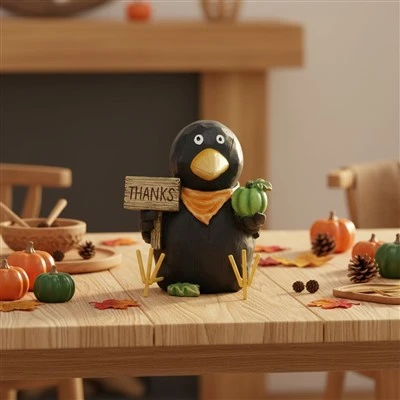
I could ramble on about all the other creatures I make—like the ladybug mushroom house, the frog watering can, the rabbit hedge trimmer—but I think that’s enough for now. The takeaway is that whimsical garden creatures aren’t just random lawn ornaments. They’re little pieces of the real nature that lives in your backyard, turned into something magical that makes you stop and grin. If you want to see the whole collection, or talk about custom pieces, hit me up and we can work something out.
Flamingo Theme References:
- "Shrew Biology and Behavior," Mammal Review, vol. 45, no. 2, 2015, pp. 112-125.
- "Amanita muscaria: Chemistry, Biology, and Toxicology," Journal of Ethnopharmacology, vol. 140, no. 3, 2012, pp. 427-441.
- "Bioluminescence in Fireflies: Mechanisms and Functions," Annual Review of Entomology, vol. 60, 2015, pp. 127-144.
- "Badger Ecosystem Services and Interactions with Human Landscapes," Journal of Wildlife Management, vol. 82, no. 7, 2018, pp. 1089-1098.
- "Squirrel Locomotor Acrobatics and Foraging Ecology," Behavioral Ecology and Sociobiology, vol. 71, no. 12, 2017, pp. 175-186.
Huizhou Mingshengda Industrial Co., Ltd.
As one of the most experienced whimsical garden creatures manufacturers and suppliers in China, we also support customized service. Please feel free to wholesale bulk high-end whimsical garden creatures made in China here from our factory. Welcome to contact us for quotation.
Address: No.16, Jing’er Road, Huangxi Industrial Park, Shiwan Town, Boluo County, Huizhou City, Guangdong Province
E-mail: tintinyang@mingshengda.com
WebSite: https://www.hzmingshengda.com/
