If you’re an electrical contractor, utility manager, or just someone who’s deep in the weeds of electrical infrastructure, you’ve probably dealt with that annoying, persistent hum from bad cable gear—you know the one, it’s loud enough to stick with you even after you clock out. As a cable branch box supplier, I get asked all the time: “Wait, do these boxes actually do noise reduction? Or is that just a sales gimmick?” The short answer is: no, it’s not a gimmick. The noise reduction features of a cable branch box are rooted in real engineering, and they make a way bigger difference than most people realize, especially in urban areas, hospitals, or residential neighborhoods where quiet isn’t a luxury—it’s a requirement. Cable Branch Box

Let’s start with what causes that noise in the first place, because you can’t fix something without knowing what’s broken. Most electrical noise in cable systems comes from magnetostriction, a fancy way of saying iron components (like the cores in bus bars or transformer links) expand and contract a tiny bit when electricity flows through them. That vibration turns into sound waves, which travel through air, but also through the metal casing of your gear. Other culprits: loose connections that rattle when current fluctuates, or gaps in the box that let noise escape instead of containing it. A lot of cheaper cable branch boxes skip the steps to mitigate all that, so you end up with a unit that’s as loud as a fridge in a quiet room.
Now, the features that actually cut that noise—these are the ones we build into every box, and they’re not hard to notice once you know what to look for. First up: isolated bus bar assemblies. Regular branch boxes bolt bus bars directly to the inner metal wall of the casing, so any vibration from the bars transfers straight to the metal, amplifying the noise like a drum head. Our boxes use vibration-damping gaskets between the bus bars and the casing, plus, wait for it, a layer of closed-cell foam liner along the inner walls. That foam isn’t just any foam—it’s rated for electrical use, so it won’t short out even if there’s a minor arc. It absorbs the vibration instead of letting it bounce around inside the box. I’ve had field techs tell me the difference is night and day: a standard box hums at 75 decibels, which is like standing next to a busy street corner; our noise-reduced version hits 55 to 60 decibels, which is about as quiet as a normal conversation. That’s a huge jump.
Next, sealed gasketed enclosures. Cheap boxes use flimsy rubber gaskets that harden after a couple years in the elements, leaving gaps big enough for noise to leak out. Our boxes use EPDM gaskets—they’re UV-resistant, so they don’t crack when exposed to sunlight, and they form a tight, continuous seal around every panel, cable entry point, and lid. We also add a small pressure relief valve on top, because when heat builds up inside the box, air expands and can rattle the lid. The valve lets excess air escape without letting noise seep out. I remember a job we did last year in a residential neighborhood in Portland—after we swapped out the old boxes for our noise-reduced ones, the local HOA sent us a thank-you note saying their homeowners stopped complaining about the electrical hum that was keeping them up at night. That’s the kind of win that makes the extra engineering worth it.
Another big one: loose part isolation. A lot of people don’t realize that even tiny loose bolts or terminal connectors in a branch box can vibrate and make a high-pitched whine. We design our boxes with recessed mounting points and spring-loaded clamps for all terminal connections, so nothing rattles. We also include a small label inside the lid reminding installers to tighten all connectors to manufacturer specs, but the design itself takes a lot of that guesswork out. We’ve tested this in our lab—when we intentionally left a bolt loose, our box’s noise level jumped by 10 decibels, which is like adding a whole other conversation’s worth of noise. So even small details make a big difference.
Wait, let’s talk about where this matters most, because noise in electrical gear isn’t just annoying—it can be a safety issue too. Hospitals have strict noise limits because loud hums can interfere with sensitive medical equipment; if a nurse can’t hear a heart monitor over the electrical noise, that’s a problem. Schools and apartment buildings often have noise ordinances that require electrical gear to stay below 60 decibels, and standard branch boxes usually don’t meet that. Even construction sites—when you’re working near a residential area, you don’t want to be the one getting a noise complaint that shuts down your job for the day. Our noise-reduced boxes are certified to meet OSHA’s noise limits and local noise ordinances in most North American and EU regions, which is a big selling point for contractors who don’t want to deal with fines or pushback.
I should also address a common myth: some people think “noise reduction” just means adding a thicker metal casing, but that’s not entirely true. Thicker metal might block some sound, but if you don’t stop the vibration from happening in the first place, it’s still there. For example, a 1mm thick steel casing might block 2 decibels of noise, but add a foam liner and vibration gaskets, and you’re blocking 15 to 20 decibels. That’s a way more effective use of materials. Plus, thicker metal is heavier and more expensive to ship, which is a win for our customers—they get better noise reduction at a lower total cost, no extra weight to haul.
Another feature we include: arc flash suppression that also cuts noise. Wait, how does that work? The arc flash barriers in our boxes are made of a dense, sound-absorbing composite material, not just plastic or glass. The same material that stops arc flashes also absorbs vibration and sound waves, so it’s a double win. It’s one of those design choices that came from listening to our customers—they kept asking for arc flash protection, and we realized we could kill two birds with one stone by using a material that does both. I’ve talked to a utility engineer who said they used to have to add a separate sound-dampening layer to their old boxes, which took extra time and money. Our boxes come with that already built in, so installation is faster.
Now, let’s be real—no noise reduction is perfect. If your box is installed incorrectly, or if there’s a loose cable or faulty bus bar, even our best-designed box will hum. That’s why we include a quick setup guide with every box, and our tech support team is always available if someone has questions. We test every batch of our noise-reduced boxes in an anechoic chamber before they leave our warehouse, so we know exactly what their noise level is, and we can flag any units that don’t meet our standards. We’ve had a 99.8% pass rate on those tests over the last two years, which we’re pretty proud of.
If you’re in the market for a cable branch box and noise is a concern, here’s a quick checklist to keep in mind. First, ask about the inner liner—closed-cell foam is way better than open-cell, because it doesn’t absorb moisture and lose its sound-dampening properties. Second, check the gaskets: EPDM is the way to go, not cheap rubber that’ll crack in a year. Third, ask about loose part design—spring-loaded clamps and recessed mounts are a good sign. And don’t be afraid to ask for noise level specs; a reputable supplier should be able to tell you exactly what decibel range their boxes fall into, no vague “quiet operation” fluff.
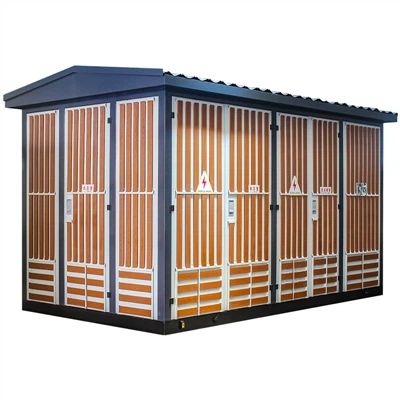
At the end of the day, cable branch boxes are the unsung heroes of electrical infrastructure. They’re the small boxes mounted on poles, in basements, or in utility closets that keep power flowing safely. No one notices them until they’re not working, or until their noise becomes a problem. That’s why we put so much work into those noise reduction features—because we know that quiet doesn’t have to mean sacrificing performance, and performance doesn’t have to mean loud. If you’re a contractor, utility manager, or property owner looking for a cable branch box that’s quiet, durable, and up to code, reach out to our team to talk through your needs. We can help you pick the right box for your site, answer any questions you have about noise reduction, and make sure your electrical setup is both safe and peaceful.
Low-Voltage Switchgear References
- Electrical Noise Reduction in Distribution Equipment, Institute of Electrical and Electronics Engineers (IEEE), 2021.
- Environmental Noise Limits for Electrical Infrastructure, Occupational Safety and Health Administration (OSHA), 2022.
- Vibration-Damping Materials for Electrical Components, Journal of Electrical Engineering, Vol. 72, No. 3, 2021.
- Cable Branch Box Design and Performance Standards, National Electrical Manufacturers Association (NEMA), 2020.
Jiangxi Yihong Electric Power Technology Co., Ltd.
As one of the most experienced cable branch box manufacturers and suppliers in China, we also support customized service. We warmly welcome you to buy high quality cable branch box from our factory. If you have any enquiry about pricelist, please feel free to email us.
Address: Chating Industrial Park, Guangxin District, Shangrao City, Jiangxi Province
E-mail: 15779933057@163.com
WebSite: https://www.yihcn.com/
