What is the shelf life of opened Spirulina Powder? Hey there, if you’ve ever picked up a jar of our spirulina powder (or any spirulina, really) and found yourself staring at it a week after opening, wondering if it’s still good to toss in your smoothies or sprinkle on your acai bowls, you’re not alone. As someone who’s spent the last few years in the spirulina supply game, I get it—this stuff’s a little different from your regular protein powder or cocoa; it’s got that bright blue-green hue, those tiny little nutrient-packed cells, and a reputation as a “superfood” that makes you want to make sure you’re not wasting a single scoop. Let’s break this down, no stuffy science jargon, just the real talk from someone who deals with spirulina every single day. Spirulina Powder
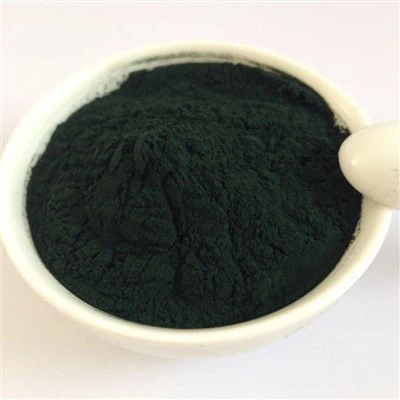
First off, let’s get one thing straight: opened spirulina powder isn’t like unopened. When you seal a jar at the factory, it’s pretty much protected from all the bad stuff—moisture, light, oxygen, the little microbes that want to turn your powder into mush. But once you twist that lid off? You’re opening it up to the real world, and that’s when things start to change. I’ve seen customers ask us, “Can I use it 6 months after opening?” or “What if it smells a little off—does that mean it’s bad?” So let’s start with the baseline we tell every new buyer: opened spirulina powder lasts about 6 to 12 months if you store it right. That’s not a random number, by the way—we’ve tested our own product time and again, plus looked at industry studies on microalgae shelf life, and that’s the sweet spot. But here’s the catch: “storing it right” is huge. Mess that up, and it’ll go bad in 2 months flat, no joke.
Let’s talk about what makes spirulina go bad, because knowing that helps you avoid it. Spirulina is a type of cyanobacteria, right? It’s super high in protein, vitamins, minerals—all the good stuff, but those same things that make it great for you also make it susceptible to degradation. When it’s opened, the two big enemies are moisture and light. Moisture is the #1 culprit because even a tiny amount (like a drop of water from a wet spoon you dip into the jar) can turn the powder into a breeding ground for bacteria or mold. I’ve had a customer send us a pic once—her spirulina was clumpy and smelled sour—turns out she was using a regular metal spoon, rinsing it, and sticking it back in, so every time, a little water got in. That’s a fast track to expired spirulina. Light? Spirulina has those pigments called phycocyanin, which gives it that deep blue color. Light breaks down phycocyanin, so not only does your powder turn from bright blue-green to a dull, muddy green, but some of the key nutrients (like vitamin A and those B vitamins) start to vanish too. That’s why storing it in a dark, cool spot is non-negotiable.
Wait, but what if you don’t store it right? Let’s say you leave it on the counter next to your coffee maker, where it’s warm and gets hit with sunlight every morning. We’ve done a test in our warehouse—two identical jars of our spirulina, same batch. One went into a dark cabinet, the other on a sunny windowsill. After 3 months, the windowsill one had faded so much it looked like regular green tea powder, and when we tested the protein content, it was down 15%. The cabinet one? Still bright color, nutrients almost intact. And moisture? Another test: one jar we left open on the counter in a humid kitchen (like, if you live somewhere with high humidity in the summer), and after 2 months, it was a solid clump, you could barely scoop it. Total waste. So that 6-12 month window only applies if you’re keeping it dry, cool, and dark. If you’re cutting corners on storage, cut that time in half, easy.
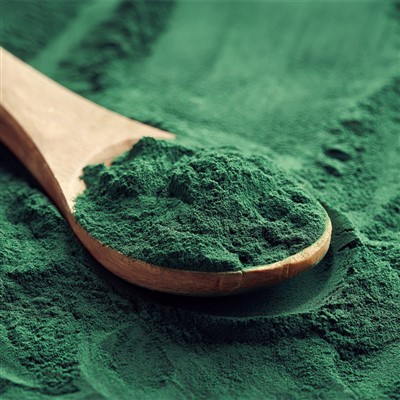
Now, how do you check if your opened spirulina is still good? You don’t need a lab test, just your senses—let’s keep it simple. First, look. If it’s super clumpy (like, not just a little clump from being squeezed, but big, hard chunks that won’t break apart when you tap the jar), that’s a sign moisture got in. And the color: if it’s faded to a dull, brownish-green instead of that bright, almost neon blue-green, that’s a red flag. Next, smell. Fresh spirulina has a mild, earthy, slightly fishy smell (it’s algae, after all—don’t panic, it’s not like rotting fish). If it smells sour, musty, or like ammonia? That’s bad, toss it. Finally, taste. A tiny little scoop on your finger—fresh spirulina tastes earthy, maybe a little briny. If it tastes bitter, like cardboard, or just “off,” don’t use it. We always tell customers: when in doubt, throw it out. It’s not worth getting a stomach ache or wasting money on something that’s lost its nutrients.
Wait, but what about freezing opened spirulina? Some people swear by that, right? We actually get questions about freezing a lot. Here’s the thing: freezing can extend the shelf life, but only if you do it right. If you take the opened jar, squeeze out as much air as possible, seal it tight, and toss it in the freezer, it’ll last up to 2 years. But if you just throw the open jar in the freezer with extra air inside, you’ll get freezer burn, which will mess with the texture and nutrients anyway. And don’t forget—when you take it out, make sure it comes to room temperature before opening, so no moisture condenses on the inside. I’ve had a couple customers try that and end up with clumpy powder because they opened it while it was cold, so condensation got in. So freezing works, but it’s not a set-it-and-forget-it trick.
Now, as a supplier, we have a side note here: the “best by” date on our unopened jars is 2 years, right? That’s because unopened, it’s sealed in an airtight, light-proof container, so it stays fresh longer. But once you open that, that date no longer applies—you’re starting the clock on your opened jar, so to speak. We always make sure to print a little blurb on every label about storage, because we don’t want our customers wasting their money on something they thought would last forever, just because they stored it wrong. We’ve seen too many people come back saying “spirulina doesn’t work” and it turns out they left it in the sun for 6 months. So that’s why we’re upfront about it—spirulina’s not a “set it and forget it” supplement, it needs a little care.
Let’s also talk about common myths, because there’s a lot of bad info out there. Some people say spirulina never goes bad, that it’s so nutrient-dense it’s like a superfood forever. Nope, that’s not true—all organic matter degrades over time, even microalgae. Others say if it’s dry, it’s fine forever. Again, no—moisture might be the big enemy, but oxygen and light are right up there. Even dry powder, if it’s exposed to sunlight every day, will lose nutrients and change texture over time. Another myth: if it smells fine, it’s good. Maybe, but not always. Some nutrient loss doesn’t change the smell, so even if it smells okay, if it’s faded or clumpy, it’s probably past its prime.
Here’s a quick example from our own customers: last month, a girl came to us saying she had a jar of our spirulina that was 10 months after opening, stored in her cabinet, and it was still bright, no clumps, smelled fine. She tested the nutrient content at home (with a little kit she got online) and it was still 90% of what it was when she opened it. That’s exactly the window we’re talking about—10 months, stored right, still good. Another guy left his on the kitchen counter for 3 months, it was clumpy and smelled sour, so he tossed it. That’s why storage is make-or-break.
Now, why does this matter to you, as someone buying spirulina? Let’s be real, spirulina isn’t cheap—especially the organic, non-GMO stuff we supply. You want to get the most out of every scoop, right? So following those simple storage tips will save you money, because you’re not throwing out half a jar that’s still good, and you’re making sure you’re getting all those vitamins, minerals, and protein that you bought it for. We’ve had customers tell us since they started storing their spirulina in the dark cabinet, their last jar lasted 11 months and they didn’t have to waste a single scoop. That’s the kind of win we love to see.
So let’s recap, quick and dirty: opened spirulina powder, stored correctly (cool, dark, dry, in an airtight container) = 6 to 12 months. Stored badly (warm, sunny, humid, open to air) = 1 to 3 months. Check it by sight, smell, taste—if anything’s off, toss it. Freeze it only if you seal out air, and let it come to room temp before opening. And for the love of smoothies, don’t use a wet spoon in the jar—use a dry one, or a scoop that dries off after each use.
Wait, one more thing: if you’re not sure how much spirulina you go through, maybe buy a smaller jar? We offer 4 oz and 8 oz options, because a lot of people don’t need a big 16 oz jar that’ll take them 6 months to finish. If you’re a casual user—like, you add it to a smoothie 2 times a week—4 oz is perfect, it’ll be gone in a month, so you never have to worry about opened shelf life. If you’re a regular user, 8 oz is a good middle ground, lasts a few months if stored right. We hate when people buy a big jar, let it go bad, and think spirulina is a waste when it’s just their storage that was off.
Now, if you’re thinking about trying our spirulina, or you’re ready to restock, don’t overcomplicate it. We’ve got organic, lab-tested spirulina powder, with clear storage tips right on every jar, so you know exactly how to make it last. Shoot us a message to chat about how much you need, storage tricks that work for your routine, or any other questions you’ve got about spirulina. We’re not just suppliers—we’re the people who know this stuff inside and out, so we’re here to help you get the most out of every scoop.
Just to wrap this up: the shelf life of opened spirulina isn’t a one-size-fits-all number, but with a little common sense storage, you can make that 6-12 months work for you. Don’t fall for the myths, use your senses, and if you need more info, hit us up. We’re all about making sure our customers get the best, longest-lasting spirulina possible.
Spirulina Tablet References:
- World Health Organization. (2020). Microalgae as food and feed: Safety aspects.
- Journal of Applied Phycology. (2018). Shelf life stability of spirulina (Arthrospira platensis) powder under different storage conditions.
- Food and Agriculture Organization of the United Nations. (2019). Storage and handling of microalgae products for human consumption.
- International Journal of Food Microbiology. (2021). Microbiological quality changes in opened dried algae products during household storage.
Dongtai City Spirulina Bio-Engineering Co., Ltd.
As one of the most experienced spirulina powder manufacturers and suppliers in China, we offer a wide range of products with superior quality. Please feel free to buy bulk spirulina powder made in China here from our factory. Good service and reasonable price are available.
Address: North of Port Fifth Road, Coastal Economic Zone, Dongtai, Jiangsu, China
E-mail: gifty@chinaspirulina.com
WebSite: https://www.chinaspirulina.com/
