Hey there, I’m Mia, and I’ve been selling portable AC units for almost 7 years now—fun fact, half the calls I get aren’t about troubleshooting a broken unit, they’re from folks who just bought one and have no clue how to set it up right. Don’t get me wrong, portable ACs are way easier than window splits or central units, but skip a step and you’ll be dealing with warm air or a puddle on your floor before you know it. As someone who’s seen my share of messy installs and happy ones, I’m gonna walk you through this like I’d walk my little cousin through it—no jargon, no confusing parts, just actual stuff that works. Air Conditioning Unit

First off, let’s get one thing straight: a portable AC isn’t just a thing you drag out of the box and plug in. If you skip the venting part, you’re wasting your money. Hot air has to go somewhere, right? If you just run it without venting, it’s like trying to cool a room by blowing air back in at the same time—you’ll never hit that 72°F you’re after, and your energy bill’ll skyrocket. I’ve had customers call me panicking saying their unit’s “broken” because it won’t cool the bedroom, and half the time they forgot to hook up the exhaust hose. That’s the first big tip: venting is non-negotiable.
Let’s start with the prep stuff. Before you even unbox the unit, measure the spot where you’re gonna put it. It needs to be near a window (obvi, for the hose) and a power outlet—no extension cords, trust me. Portable ACs draw a lot of power, and a cheap extension cord can overheat. If your only outlet is across the room, move the unit or get an electrician to add one—way cheaper than fixing a fire hazard. Also, make sure the spot is level. If it’s tilting even a little, the internal condensate pan won’t drain right, and you’ll get water leaking all over your carpet. I always tell customers to set a level on top of the unit—if it’s not dead even, slide a folded towel or a small piece of plywood under the low corner. That’s a quick fix, no fancy tools needed.
Now, unboxing time. Most portable ACs come with three main parts: the unit itself, an exhaust hose (usually 5 to 8 feet long), and a window kit. The window kit is the unsung hero here—its job is to seal the gap between the hose and your window so no hot air seeps in. You’ll probably get two types of window panels: a vertical one for sliding windows, or two horizontal ones for double-hung windows. If you have a casement window (the ones that crank out), don’t worry—most kits have an adapter for that too. I’ve even seen people modify a window kit for a sliding glass door, but I’ll get to that later.
Step 1: Assemble the window kit. This takes 10 minutes max, no drill needed. First, measure the gap between your window sash and the frame. The kit’s panels are adjustable, right? So pull them apart or push them together to fit that gap. Once they’re the right size, there’s usually a Velcro strip or a plastic clip that locks them in place. Don’t make them too tight—you just want a snug fit so the panel doesn’t fall out when you close the window. Then, attach the exhaust hose to the back of the unit. It twists on, like a jar lid, right? Make sure it’s screwed on tight—if it comes loose mid-use, you’ll have a hot air leak. Also, don’t kink the hose. Kinks block airflow, so keep it as straight as possible. If you need to angle it a little, that’s fine, just don’t bend it more than 90 degrees. I’ve had customers cram the hose around a bookshelf and wonder why their unit’s performance sucked—don’t do that.
Step 2: Set up the window. Open your window wide enough to fit the window kit panel. If you have a sliding window, lift the sash up, slide the kit panel between the window and the frame, then lower the sash to hold it in place. If you have a double-hung window, slide the two horizontal panels into the gap between the top and bottom sashes, then close both sashes to lock the panels in. Once the panel is in the window, attach the other end of the exhaust hose to the window kit’s adapter. That part clicks into place, usually—listen for a “snick” to make sure it’s secure.
Wait, what if you don’t have a window? Like, a lot of apartments don’t have windows in the room they want to cool, or they have a sliding glass door. No problem—most kits come with a sliding door adapter. Just use the horizontal panels, cut them to fit the width of your door (most kits let you cut the plastic with scissors, no tools), then slide the panel into the door gap, attach the hose, and you’re good to go. I’ve even had customers use a dryer vent for a basement windowless room, but make sure the vent is pointing outside, not into another room. That works, but it’s a bit of a hack—stick to a window if you can.
Step 3: Level the unit and plug it in. Remember that level I talked about earlier? Double-check that again. If the unit’s tilting, water will pool in the pan and leak out. Now, plug it directly into the wall outlet. No power strips, no extension cords. I can’t stress this enough—portable ACs run on 110V for most models, but a cheap extension cord that’s too thin can cause voltage drops, which make the unit run inefficiently or even shut off. And never daisy-chain power strips—one surge protector is fine, but only if it’s rated for the wattage. If you’re not sure, just pull the plug out of the wall. It’s not worth the risk.
Step 4: Run a test. Turn the unit on, set it to cool mode, and the temperature to a few degrees lower than the room’s current temp. Let it run for 10 minutes, then check two things: first, is the hose warm? If it’s cold, that means exhaust air is leaking out somewhere—double-check the hose connections and the window kit seal. Second, is there any water pooling under the unit? If yes, go back and check if it’s level. Sometimes even a small tilt is enough. If it’s still leaking, you might have to drain the condensate manually—some portable ACs have a drain plug on the back, so just pull that out and let the water into a bucket every few days.
Now, a few pro tips I’ve picked up over the years. First, keep the air filter clean. Most people forget about this, but a dirty filter makes the unit work twice as hard, and it can even cause mold. I tell customers to check the filter every two weeks—just slide it out, rinse it with water (let it dry completely before putting it back, don’t use a hair dryer), and you’re set. If it’s damaged, grab a replacement from me—way cheaper than a new AC.
Second, don’t run the unit 24/7 straight. If you’re gone during the day, turn it up to 80°F instead of turning it off completely. Every time you turn it off and on, it uses more energy, and the compressor takes a beating. Also, keep doors and windows closed in the room you’re cooling. If you leave the bedroom door open, the cool air will escape into the hallway, and you’ll be waiting an hour for the bedroom to cool down.
Third, if you have a smaller room (under 200 sq ft), you can even vent the hose into another room that’s not in use, like a closet or a unused bathroom. That way, you don’t have a big ugly panel in your main window, and it still works—just make sure the vent is going outside the closet, not into the house. I’ve done this in my own apartment, it works great for my home office.
Wait, and what about winter? A lot of people think portable ACs are only for summer, but no—most of them also work as dehumidifiers and fans, so you can leave the window kit in place and just switch modes when it’s cold. Just make sure you disconnect the hose from the unit and the window, seal the adapter, and you’re good. That way, you don’t have to take the whole thing apart every few months.
Now, let’s talk about common mistakes I see all the time. One is using a too-long exhaust hose. Yeah, longer hoses sound like they’re more flexible, but the longer the hose, the more airflow resistance, so your unit won’t cool as well. Stick to the hose that comes with the unit, or buy a replacement that’s no more than 2 feet longer. Another mistake is not sealing the window kit gaps. If there’s a gap between the panel and the window frame, hot outside air gets in, and your AC has to work overtime. I always recommend adding a little weatherstripping tape around the kit—super cheap, easy to find at any hardware store.
What if your unit has a built-in drain instead of a manual pan? Those are the newer models, right? They have a pump that drains water outside, so you don’t have to empty a bucket every few days. But make sure the drain hose is not kinked, same rule as the exhaust hose. If the drain is blocked, water will back up and leak out, so check that once a month.
I know, this sounds like a lot, but it’s really straightforward. The biggest thing is not skipping the venting part. I had a customer last summer who bought a unit, plugged it in, and texted me saying it was broken because it wouldn’t cool. I asked if he vented it, and he said “vent? I just turned it on.” Took him 10 minutes to hook up the hose, and his room was cool in 20 minutes. That’s the stuff that makes me love this job—helping people fix something simple that they overcomplicate.
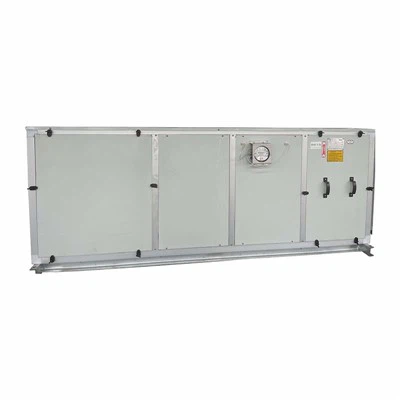
If you’re in the market for a portable AC, or you need replacement filters, hoses, or window kits, I’ve got you covered. I work with all the top brands, so I can help you pick the right size for your room (10,000 BTU for 200-300 sq ft, 12,000 BTU for 300-450 sq ft, that kind of thing). No guesswork, just honest advice. If you’ve tried installing yours and it’s not working right, or you just want to grab parts, reach out to me and we can chat through it. No pressure, just want you to be comfortable all summer.
Fan References:
- U.S. Department of Energy, "Portable Air Conditioners: Operation and Efficiency Tips", 2023
- Air Conditioning, Heating, and Refrigeration Institute, "Portable AC Installation Best Practices", 2022
- Consumer Reports, "How to Set Up a Portable AC Without Wasting Energy", 2024
Jiangsu Hengyu Fire Protection Technology Co., Ltd.
We’re well-known as one of the most experienced air conditioning unit manufacturers in China, also support customized service. With abundant experience, we warmly welcome you to buy bulk discount air conditioning unit from our factory. If you have any enquiry about quotation, please feel free to email us.
Address: Jiangsu Hengyu Fire Protection Technology Co., Ltd., No. 56, Xinyi Road, Chengbei Industrial Park, Jingjiang City, Jiangsu Province
E-mail: Jskyxfkj@163.com
WebSite: https://www.cehengyu.com/
