Hey everyone, thanks for stopping by. I’m Mia, part of the die casting mold team over here, and I’ve spent way too many hours on the shop floor (and answering panicked late-night calls from clients) to not talk about something that’s non-negotiable for everyone working with these molds: safety. Let’s cut the corporate jargon—this isn’t just a list of rules. It’s stuff I’ve seen skipped, stuff that’s caused a few close calls, and stuff that’s kept folks safe for decades. If you work with die casting molds, or even run a shop that uses them, pay attention. Die Casting Mold
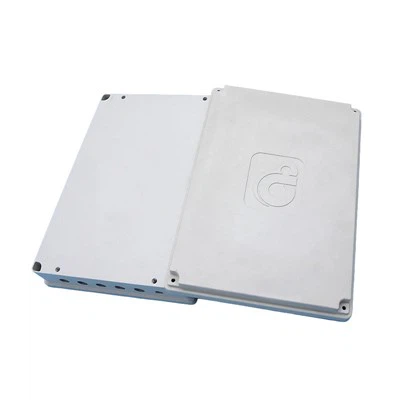
First off, let’s get one thing straight: die casting molds aren’t cookie cutters. They hold molten metal—usually aluminum, zinc, or magnesium—that’s over 1,000°F. That’s hot enough to melt your hand if it brushes the wrong spot, and heavy enough to crush a foot if it slips. Most safety stuff I see overlooked is the basic, non-flashy kind, not the fancy industrial sensor stuff. Let’s start with pre-use checks, because that’s where 60% of issues pop up.
Before you even fire up the machine, do a visual walkaround that takes 5 minutes max. Don’t skip it. I’ve had a client’s tech skip this once and got a shock from a frayed cable on the mold’s cooling line—luckily it was just a tingle, but another shop I work with had a mold’s ejector pin stuck because a tiny metal shavings was wedged in the guide, and when they cycled it, the pin snapped, sending a piece of metal flying into someone’s shoulder. For real: check for loose bolts on the mold halves, frayed hoses (cooling or lubricant), any leftover metal from the last run (even a tiny piece can jam the mold), and make sure all safety guards are intact. You’d be surprised how often someone yanks a guard off to “get a better view” or “speed things up”—don’t do that. Guards aren’t there to annoy you; they’re there to stop your hand from going where it doesn’t belong when the mold closes.
Next, personal protective equipment (PPE). I know, I know, everyone hates wearing it, but let’s be honest: if you’re working near a die casting mold, you don’t want to take chances. No loose clothes, no jewelry, no dangling lanyards that can get caught in the mold’s moving parts. I saw a guy last year wear a thick chain necklace that got hooked on a mold’s ejector mechanism—he almost tore his neck when he tried to pull away. For PPE: heat-resistant gloves, not the cheap garden kind. Work gloves that can handle 500°F at least, because even a split second of contact with molten metal or a hot mold half will leave a 3rd-degree burn. Face shields, not just safety glasses—molten metal spatter is tiny, but it’s fast, and it will burn your eyes before you can blink. Steel-toe boots, obviously, because molds can weigh thousands of pounds, and a dropped clamp or a mold half shifting could take your toes. Also, ear protection—those machines are loud, like, jet-engine loud. Long-term exposure will mess with your hearing, so don’t skip the plugs or muffs.
When you’re actually operating the mold, the biggest rule is: never put your hands inside the mold while it’s moving. Even if you think you “got the jam almost fixed” and it’s just a tiny adjustment, that’s how accidents happen. Molds cycle in milliseconds—you blink, it closes, and there’s no time to react. If there’s a jam, shut the machine off first, hit the emergency stop, and wait 10 seconds. Even if you think the power’s cut, some machines have residual pressure, so you should lockout/tagout (LOTO) the machine. What’s LOTO? It’s just turning off the power, putting a lock on the switch, and taking the key with you so no one can turn it on while you’re inside. I’ve had clients forget that a couple times, and it’s terrifying—one of our mold techs was in a client’s shop to fix a mold, and someone else turned the machine on because they thought it was idle. The mold started closing, and he barely pulled his hand out. LOTO isn’t optional—it’s OSHA, it’s common sense, and it’s the best way to keep you whole.
Also, when you’re loading or unloading the mold—like when you’re swapping out a worn mold for a new one, or cleaning it—lift with your legs, not your back. These molds weigh anywhere from 500 lbs to 10,000 lbs, so using a crane or a forklift with a proper lifting spreader is non-negotiable. Don’t try to muscle a mold into place; even if you’re strong, a slip or a misaligned clamp can crush your fingers. Another thing: when the mold is open, prop it up with the safety stands that come with it. We include these with every mold we sell, so if you lose them, buy new ones, don’t use a random piece of pipe. If the mold falls while you’re inside cleaning it, you’re not going to get out in time. I’ve seen a stand break once because a shop tried to use a rusted bar instead of the proper one—luckily no one was under it, but that’s a close call that could’ve been fatal.
What about molten metal handling? This is a big one too. When you’re pouring metal into the mold’s shot sleeve, don’t overfill it, and make sure the nozzle is properly aligned. Overfilling can cause metal to splash out, and if it hits your skin or clothes, it’s not just a burn—it’s a fire hazard, because some of those metal splatters will ignite fabric. Also, never pour water into the mold—even a tiny puddle from cleaning, because molten metal and water react, they explode. I learned that the hard way when I was an apprentice and spilled a drop of water on a hot mold—tiny, but it burned my wrist. Keep the mold dry before pouring. If you’re using lubricant to clean the mold, make sure it’s the right kind for die casting—water-based lubricants can leave residue, but if you use too much, it can cause steam, which will push metal out. Moderation is key.
Maintenance is another thing that gets overlooked. Molds aren’t set-it-and-forget-it pieces of equipment. After every run, you should clean the mold—remove any leftover metal, apply a light coat of lubricant (not too thick), and check for any wear on the pins or the mold halves. If you see a crack or a bent pin, fix it right away. We have so many clients that wait to fix small issues, and then a mold cracks mid-run, sending metal flying. Also, keep the cooling lines clear. If cooling lines get clogged, the mold overheats, which can cause the metal to solidify wrong, but also makes the mold parts expand, which can lead to warping or failure. We always send a maintenance guide with every mold we sell, but half the people I talk to never read it—don’t be that person.
Oh, and training. If you’re hiring new staff to work with die casting molds, don’t just throw them on the machine after a 10-minute demo. They need proper training, hands-on, with someone who knows the ins and outs. Even if someone has experience, every mold is a little different—different weight, different cycle time, different quirks. We offer on-site training for all our clients, because we’ve seen way too many mistakes from people who thought they knew it all. Also, don’t be afraid to ask questions. If something feels off about the mold, or the machine, tell your supervisor. It’s better to look like you’re unsure than to get hurt.
Wait, one last thing: housekeeping. The shop floor around the mold—keep it clean. Metal shavings, spilled lubricant, leftover parts—they make the floor slippery, so you can slip and fall, and land right by the mold. Or a metal shaving can get caught in the mold’s mechanism when you cycle it. I once walked into a shop and saw a pile of old parts right next to a die casting machine, and the tech was weaving around them to get to the emergency stop. That’s a recipe for disaster. 10 minutes of cleaning at the end of the day is way better than a trip to the ER.
Look, I get it—speed is everything in manufacturing. You need to get runs out, meet deadlines, make money. But cutting corners on safety isn’t worth it. We’ve built die casting molds for over 15 years, and our whole goal is to make molds that last, but also molds that are safe to use. If you follow these simple steps—pre-use checks, PPE, LOTO, proper lifting, molten metal care, maintenance, training, housekeeping—you’ll avoid 99% of the common accidents.
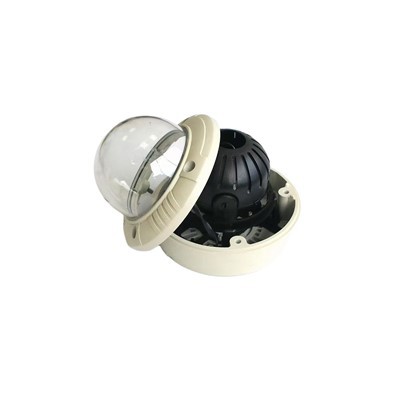
If you’re shopping for a new die casting mold, or you have questions about upgrading your current setup to make it safer, hit me up. We work with all kinds of shops, from small local ones to big factories, and we can help you pick the right mold, answer any safety questions, and even send our techs to walk through your shop. Just reach out, no pressure, no sales pitch—just real advice from someone who’s been there.
Die Casting Parts References:
- Occupational Safety and Health Administration (OSHA). Safety Guidelines for Die Casting Operations. U.S. Department of Labor, 2022.
- American Foundry Society. Die Casting Mold Safety: Best Practices for Facility Personnel. AFS Press, 2021.
- National Institute for Occupational Safety and Health (NIOSH). Preventing Thermal Burns and Crush Injuries in Die Casting. NIOSH Publication, 2020.
Suzhou Ruide Die-Casting Mold Co., Ltd.
As one of the leading die casting mold manufacturers and suppliers in China, we warmly welcome you to buy durable die casting mold made in China here from our factory. All customized products are with high quality and competitive price. Contact us for pricelist.
Address: No.2, Wanchen Road, Huayang Village, Wangting Town, Xiangcheng District, Suzhou City, Jiangsu Province
E-mail: jada@cnrdmj.com.cn
WebSite: https://www.cnrdmold.com/
