If you’ve ever watched a paint job go from uneven brush strokes to a smooth, durable finish on a car, metal fence, or even a piece of industrial equipment, chances are an electrostatic spray coating machine played a role behind the scenes. As a supplier of spray coating machines, I get asked this question all the time—especially by small business owners new to industrial coating, or manufacturing teams looking to upgrade from old, inefficient methods. Let’s break this down simply, no overly technical jargon, just what these machines are, how they work, and why they matter for your business. Spray Coating Machines
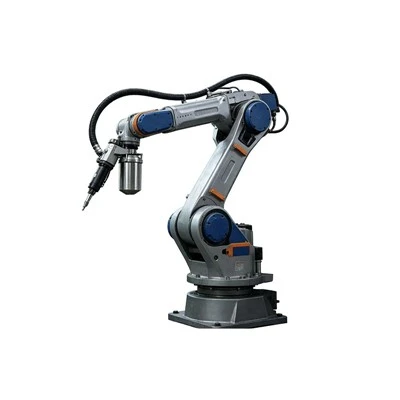
First, let’s start with the basics: what makes electrostatic spray coating different from regular spray painting? Regular spray guns shoot paint or coating material out in a wide, random pattern, which means a lot of it doesn’t stick to the part you’re working on. Some of it drifts, some lands on nearby surfaces, and you end up wasting material, time, and money fixing uneven spots. Electrostatic spray coating machines fix that with a smart, science-driven trick: they give the coating material a tiny electrical charge, and the part being coated is grounded (meaning it has no electrical charge, or a neutral charge). Opposite charges attract, right? So the charged coating particles pull toward the grounded part instead of floating away. That’s the core of how these machines work, and it’s a game-changer for efficiency.
Let me walk you through the parts that make up a typical electrostatic spray coating machine, because knowing the components helps you understand why they perform so well. First, there’s the power unit. This is the brain that takes regular, low-voltage electrical power (like what you’d use to plug in a power tool) and turns it into high-voltage, low-amperage electricity—usually between 50,000 and 100,000 volts. That’s enough to charge coating particles without putting anyone at risk, as long as the machine has proper safety features, which all our machines are built with. Next, there’s the spray gun itself. The gun has a charging electrode, a small metal tip that sits right at the nozzle where the coating comes out. When the coating flows through the gun, it passes that electrode, picks up a negative charge (most coatings use a negative charge, though some setups use positive for specific materials), and gets ready to be attracted to the grounded part. Then there’s the material delivery system: that’s the pump or hose that carries paint, powder coating, or other coating material from your supply tank to the spray gun. Some machines are designed for liquid coatings, others for dry powder coatings, and some can handle both, which is a key thing to look for depending on your needs.
Now, let’s get into how the process works step by step, so you can see it in action. Let’s say you’re coating a set of metal patio railings for a landscaping company, like a job we did last month for a customer in the construction industry. First, you prep the railings—clean them to remove dirt, rust, or old coating, which is standard for any paint job. Then, you make sure the railings are properly grounded. That’s usually as simple as attaching a ground clip to the metal part, which connects to the ground port on your spray machine. Next, you load your coating material into the machine, set your desired pressure and charge level, and turn it on. When you pull the trigger on the spray gun, the coating flows out, passes through the charging electrode, picks up a negative charge, and immediately pulls toward the grounded railings. The cool part? This works around corners and edges too. If there’s a sharp bend in the railing, the charged particles don’t just hit the front—they wrap around to the back a little, because the attraction is uniform. That means fewer missed spots, less overspray, and a smoother finish than you’d get with a regular spray gun.
Wait, let’s clear up a common misconception: electrostatic spray coating isn’t just for paint. We supply machines that work with liquid coatings (like automotive paint, industrial sealants, and wood finishes) and powder coatings, which are super popular for metal parts because they’re more durable and less wasteful than liquid paint. Powder electrostatic coating is a big one for us right now. The powder is a dry, fine plastic or metal powder that gets charged in the spray gun, sticks to the grounded part, and then you bake it in an oven to melt it into a hard, uniform finish. We’ve had customers use this for everything from outdoor furniture to car parts to appliance frames, and the results hold up way better than traditional liquid coating, especially in harsh weather.
So why should you care about electrostatic spray coating machines, especially as a business owner? Let’s talk about the benefits, because that’s what matters most for your bottom line. First, material savings. Our customers usually see 20 to 50% less coating waste compared to regular spray guns. Think about it: if you’re spending $500 a week on paint, cutting that waste in half saves you $1,000 a month, right? That adds up fast. Next, finish quality. The uniform charge means less touch-up work, fewer rejected parts, and a more professional-looking finish that will make your customers happy. We had a cabinet maker client last year who switched to our electrostatic machines, and he said his customer complaints about uneven finishes dropped by 90%. Then there’s safety and environmental impact. Because there’s less overspray, you’re not breathing in as much coating fumes, and you’re wasting less material that would end up in a landfill. A lot of our customers in manufacturing also meet stricter environmental regulations because of the lower VOC (volatile organic compound) emissions from less wasted liquid coating.
But like any piece of equipment, electrostatic spray coating machines aren’t one-size-fits-all. There are a few key things to consider when you’re looking to buy, so you don’t end up with a machine that doesn’t fit your needs. First, what type of coating will you be using? If you only work with liquid paint, a liquid-focused machine is fine, but if you mix liquid and powder, you’ll want a machine that can handle both, which we have in our line. Second, what’s the size of your parts and your production volume? If you’re coating small, intricate parts, a handheld spray gun is great, but if you’re running a factory with large batches of car frames, you’ll want an automated electrostatic system that can spray multiple parts at once, which we also supply. Third, safety features are non-negotiable. Look for machines that have short-circuit protection, ground fault interrupts, and ergonomic designs if you’re using the spray gun for long periods—we build all our machines with these features because we know how important safety is for your team.
Let me also address a question I get a lot: are electrostatic spray coating machines hard to operate? A few years ago, some lower-end machines were pretty complicated, with lots of dials and settings that were hard to adjust. But the technology has come a long way, and our machines are designed with ease of use in mind. We build in digital displays that let you set charge and pressure levels with a few clicks, and our customer support team offers on-site training so your team is comfortable using the machine right away. Even if you’ve never used an electrostatic spray gun before, you can get up and running in a day or two.
Another common use case I love sharing is with small businesses, like custom woodworkers or furniture refinishers. A few months ago, a small furniture shop owner reached out to me because he was tired of losing money to spray paint waste and uneven finishes. He had been using a basic spray gun for years, and switching to our entry-level electrostatic machine let him cut his material costs by 40% and take on more jobs because he finished each one faster. That’s the thing about these machines—they don’t just work for big factories; they’re a great investment for small to medium businesses too.
Now, you might be wondering if there are any downsides to electrostatic spray coating. No technology is perfect, of course. One thing to note is that the parts you’re coating have to be conductive (meaning they can hold an electrical charge), so you can’t use these machines on non-conductive materials like plastic or glass unless you apply a conductive primer first. But for most metal parts, which are the main use case for industrial electrostatic coating, that’s not an issue. Another thing: you have to make sure the grounding is good. If the part isn’t properly grounded, the charged coating won’t stick as well, so it’s important to check that ground clip connection regularly. But that’s a simple thing to train your team to do, and it’s easy to avoid.
As a supplier, our goal is to help you find the right electrostatic spray coating machine for your specific needs, not just sell you the most expensive one. We offer a range of machines from entry-level handheld units perfect for small shops, to automated systems for high-volume manufacturing, and we back every machine with warranty and ongoing support. If you’re tired of wasting coating material, dealing with uneven finishes, or spending too much time on touch-up work, an electrostatic spray coating machine is likely the solution you’ve been looking for.
Ready to learn more about how an electrostatic spray coating machine can help your business? We can walk you through our product line, answer any questions you have about setup or operation, and help you pick the right machine for your projects. Reach out to our team to schedule a consultation and get a custom quote tailored to your needs.
Spray Coating Machines References
- How Electrostatic Spray Technology Works. National Association of Surface Finishing, 2022.
- Material Efficiency and Environmental Benefits of Electrostatic Coating. Journal of Industrial Manufacturing, vol. 18, no. 3, 2021, pp. 45-52.
- Safety Standards for Electrostatic Spray Coating Equipment. Occupational Safety and Health Administration, 2020.
Wanyuan Yuanwei Automation Equipment Co., Ltd.
With abundant experience, we are one of the most professional spray coating machines manufacturers and suppliers in China. Please feel free to wholesale high quality spray coating machines for sale here from our factory. Good service and punctual delivery are available.
Address: No. 392, Wanbai Road, Baisha Town, Wanyuan City, Dazhou City, Sichuan Province
E-mail: wanyuanyuanwei@outlook.com
WebSite: https://www.yuanweiautomation.com/
