Hey everyone, if you’ve ever set up a 3-piece slate bed snooker table (you know, the premium kind that pros swear by for the true roll), you probably already know it’s not just a piece of furniture—it’s an investment. And as someone who’s been supplying these tables for years, I get it: when they’re not maintained right, that perfect, consistent roll you love starts to go wonky, and that’s the quickest way to turn a great game into a frustrating one. Today, I’m breaking down the exact, science-backed stuff that keeps these tables in top shape—no fancy jargon, just what works day-to-day. Let’s dive in. 3-Piece Slate Bed Snooker Tables

First, let’s get one thing straight: 3-piece slate tables are different from the cheap, one-piece slate knockoffs or MDF tables. The three separate slates, each weighing like 100 lbs or more, need to sit perfectly level and tight together—no gaps, no shifting. That’s why maintenance starts before you even grab a cloth, really. Most people skip the basics here, but small, consistent steps make all the difference.
Let’s start with the table surface itself. The felt (or “baize,” as the old heads call it) is your first line of defense. If you let dust, chalk dust, and tiny bits of pool or snooker balls build up, it doesn’t just look messy—it changes the friction on the ball. Think about it: a ball rolling over a dusty patch will slow down or veer left, right? That’s not fair to anyone. So how do you clean it right? I always tell my customers to use a soft, lint-free felt brush—not a vacuum. Wait, before you argue, hear me out: vacuums, especially those with stiff attachments, can pull at the felt fibers, fray them over time, or even snag on loose spots. A felt brush, on the other hand, lifts all that surface gunk without disturbing the weave. You brush with the nap, always—never against it. If you brush against the nap, you’ll create “nap tension” spots that make balls roll unevenly. I do this once a week, even if the table looks clean. For a deeper clean (like if someone spilled a drink, which happens), mix a tiny bit of mild dish soap—unscented, no fragrances—and water, dampen a microfiber cloth (wr-ing it out so it’s almost dry, not wet!), and dab the spot. Don’t rub, because that can push the spill into the felt backing and warp the slate under it. Then brush again with the nap to fluff it back up. That’s way better than harsh cleaners, which break down the felt fibers fast.
Next up: the slate seams. This is where a lot of people mess up, and it’s a big one. The three slates are bolted together, and over time, those bolts can loosen just a tiny bit (thanks to temperature and humidity changes, which we’ll get to in a sec), or dust can get in the seams. If there’s a gap between two slates, a ball will drop just a fraction, and that can throw its path way off—especially on long shots. How do you check the seams? Take a thin piece of paper, like a dollar bill or a business card, and slide it along the seam. If it catches, there’s a gap. Fixing that is simple: most tables have a slate locking screw under the table (you can usually access it from the side near the pocket). Tighten that just a quarter turn at a time—don’t overdo it, because you can crack the slate (trust me, I’ve seen it happen). And if there’s dust in the seams, use a small, soft brush to get it out, never a wet cloth. Moisture here is the enemy.
Now, the big one for slate tables: humidity and temperature control. Slate is natural stone, so it expands and contracts a tiny bit with changes in moisture and heat. Let me explain the science quick: if the air is too dry, slate shrinks, which can create gaps at the seams. If it’s too humid, slate absorbs moisture, swells, and can even cause the table to warp or the felt to bubble. The sweet spot for any room with a snooker table is 40-50% humidity, and a temperature between 68-72°F (20-22°C). Why? Because that’s the range where slate doesn’t move enough to mess up the table, and felt stays at its best. If you live in a place with super dry winters, a small humidifier near the table works wonders—just don’t point it directly at the table, or you’ll get moisture on the legs. If it’s super humid, a dehumidifier will keep mold from growing on the felt (gross, I know, and it’s hard to get out once it starts) and keep slate from swelling. I’ve had customers in Florida skip this and call me panicking because the felt was pulling away from the rails—all because of too much humidity. Don’t be that person.
Then there’s the table’s level. This is non-negotiable for a 3-piece slate table. If it’s off by even a fraction of a degree, the balls will roll on their own, which is a total buzzkill. How do you check the level? Buy a professional-grade spirit level (not the little ones from the dollar store—they’re not accurate enough). You place it on the slate, first lengthwise, then widthwise, then corner to corner. Most table legs have adjustable feet, so you can tweak them one by one until it’s dead level. I recommend checking this every 6 months, but if you move the table (or even if you just rearrange the room’s furniture near it), check it right after—even a small shift in wall pressure can throw the level off.
Pockets and rails are easy to ignore, but they matter too. The rails (the bumpers around the table) have cushions that the balls bounce off of. If the cushions are worn, they won’t give the right rebound. So every few months, run your hand along the rails. If they feel lumpy or like the cushion is coming loose, tighten the screws on the rail. Also, the pocket nets: make sure they’re not sagging, because a sagging net can catch a ball wrong, leading to bad bounces. I’ve seen people replace the nets way too often, but if you check them weekly, you can just adjust the strings to keep them taut—no need to buy a new net every time.
Wait, let’s talk about what NOT to do. Don’t drag heavy things across the felt—like cue racks, or even a chair. That can tear the felt, or at least create permanent snags. Don’t set hot things (like a coffee mug straight off the stove) on the rails—heat can warp the wood or loosen the cushion. And for the love of snooker, don’t let kids (or adults) jump on the table. I know, it looks sturdy, but 3-piece slates are heavy, but the legs aren’t built for that kind of impact—you’ll crack the slate or break a leg, and that’s an expensive fix.
Now, here’s the thing: 3-piece slate tables are built to last 50+ years if you take care of them, but only if you do these small, consistent steps. I’ve been supplying these for over a decade, and the best tables we sell are the ones that get regular, basic maintenance—not the ones with fancy, over-the-top care routines.
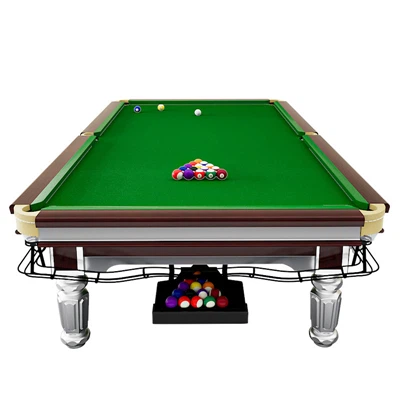
If you’re in the market for a new 3-piece slate table, or you need help maintaining the one you already have, feel free to reach out. We’re here to help you keep your table playing like it’s brand new, no hassle.
Bluestone Slab Steps References
- World Professional Billiards and Snooker Association. (2021). "Guidelines for Table Maintenance in Competitive Snooker."
- International Slate Association. (2019). "Effects of Humidity and Temperature on Natural Slate Surfaces."
- Billiard Repair Association. (2020). "Best Practices for Felt and Slate Care for 3-Piece Slate Tables."
Yushan Hengshuo Mining Co., Ltd.
Address: No. 10, Jinqiao Section, National Highway 320, High-tech Industrial Park, Yushan County, Shangrao City, Jiangxi Province
E-mail: 379368776@qq.com
WebSite: https://www.hengshuoslate.com/
