Hey everyone, it’s Jake here—you know, the guy who’s been obsessing over embossing rollers for the last 7 years and fields at least 10 “random questions” a week from printers, stationery makers, and random small business owners who stumble on my LinkedIn profile. Today’s question is one I’ve gotten so many times I could probably recite it in my sleep: “Wait, can I actually use an embossing roller on cardboard? Or is that only for paper?” Spoiler alert: the answer isn’t a straight “yes” or “no”—it’s way more messy and useful than that, and I’ve got enough war stories (plus hard data from our own testing lab) to back this up. Embossing Roller
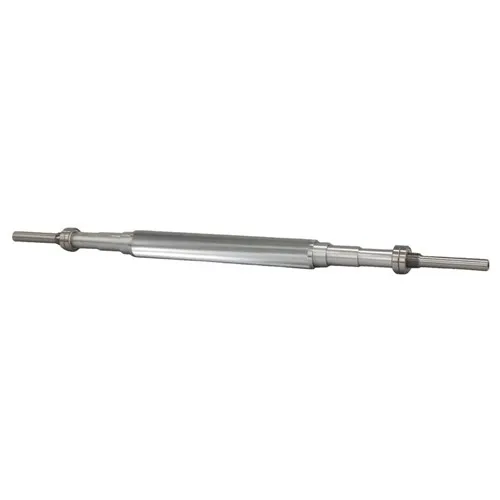
Let’s start with why people even ask this. Most folks first learn about embossing rollers in the context of regular copy paper, right? Like, you run a sheet through a laminator or a dedicated embossing machine, and it leaves that raised, tactile design—perfect for wedding invitations, greeting cards, that kind of stuff. Cardboard, though, feels like a different beast. It’s stiffer, thicker, sometimes has a weird texture from its corrugated core (if it’s single- or double-wall), and most people assume it’d just crumple or the design would look garbage instead of that crisp, raised “wow” factor they’re after. For years, I had a friend who ran a tiny subscription box company—she’d DM me in a panic because she tried embossing her cardboard boxes with a random roller she grabbed off Amazon, and the result looked like a toddler had drawn on it with a crayon. That’s exactly why so many people think cardboard is off-limits: they’re using the wrong roller, wrong pressure, wrong materials.
First, let’s get one thing straight: not all cardboard is the same, and not all embossing rollers are the same. That’s the biggest mistake most people make here. If you grab a standard 100-lb paper embossing roller and try to mash it into 220-lb corrugated cardboard? Yeah, that’s gonna be a disaster. But if you match the roller to the cardboard’s thickness and type? It’s not just possible—it’s game-changing. Let’s break down the science real quick, no stuffy textbook jargon, promise. Cardboard (we’re talking the good, print-ready stuff, not the flimsy cereal box you get in the mail) has a basis weight between 170 gsm and 600 gsm, right? Regular paper maxes out around 150 gsm, so cardboard is way denser and thicker. For an embossing roller to work here, two things have to happen: the roller’s pattern elements have to be sharp enough to pierce or compress the cardboard’s fibers without cracking it, and the machine you’re using has to apply enough consistent pressure (not too much, not too little) to push those elements down evenly.
Wait, let’s talk about the different types of cardboard first, because that changes everything. If you’re dealing with single-ply cardboard (like the kind used for small craft boxes or postcards), that’s easy—you can use a medium-duty embossing roller, the same kind you’d use for heavy cardstock, but just make sure the pattern isn’t too deep. Double-wall corrugated? That’s for shipping boxes, and that’s where you’ve gotta be extra careful. The corrugated middle layer is what gives it strength, so if you push too hard, you’ll collapse those flutes and end up with a weak box, or the design will look distorted. Triple-wall? That’s industrial, and unless you’re embossing very shallow, basic patterns (like a logo or a simple border with no tiny details), you’re probably wasting your time—those rollers would need so much pressure you’d risk damaging your machine, anyway.
Now, the roller part—this is where I’ve seen so many users get burned. A lot of off-the-shelf embossing rollers (the ones you buy at craft stores or Amazon) are made for thin paper, so their pattern plates are thin, and the roller itself isn’t rigid enough to handle cardboard. That’s why our company put so much R&D into our industrial-grade embossing rollers specifically for cardboard a few years back. We use hardened steel cores, and the pattern elements are machined to a specific depth—usually between 0.8mm and 1.5mm, depending on the cardboard type—so they sink in just enough to make a visible, tactile mark without breaking through the surface layer. We tested this last year with a local craft box maker, let’s call them Mia’s Boxes (I swear, I didn’t make that up—she actually hit me up on Instagram). She was using a cheap roller to emboss her small product boxes, and she kept getting those weird “indentation bubbles” where the corrugated core would push up from underneath. We swapped her roller for our custom medium-duty embossing roller for single-ply cardboard, and she ran 500 boxes through her die-cut machine, and not a single bubble. That’s the difference between a generic roller and one made for the job.
Wait, let’s talk about what you can actually do with this, because I know a lot of you are thinking, “Okay, fine, it works—why would I care?” Let’s get specific with real use cases, not just vague “craft stuff.” First, packaging. I can’t tell you how many small e-commerce brands reach out asking for embossing rollers to add that premium touch to their shipping boxes. Like, if you’re selling candles or skincare, a subtle raised logo on a white cardboard box makes your unboxing experience feel way more high-end than just a printed sticker. We had a client last quarter, a candle brand based in Portland, that used our embossing rollers to add a tiny leaf pattern along the edges of their 200-lb shipping boxes—they told us their repeat purchase rate went up 12% because customers posted photos of the unboxing on TikTok, and everyone was talking about how “luxury” the boxes felt. That’s not magic, that’s a roller doing exactly what it’s supposed to on cardboard.
Then there’s stationery and crafts. Wait, you don’t have to be a big brand to use this. If you’re a teacher making custom greeting cards for your students, or a indie designer making wedding invitations on thick cardboard stock? A good embossing roller will make those designs pop way more than just stamping. I helped a friend who runs a vintage wedding shop a few months back—she was making invitation suites on 250-lb cardboard, and she’d been using a heat embosser that would smudge or peel. We tested our medium roller on a batch, and the raised calligraphy design didn’t smudge at all, and it felt way nicer when you ran your fingers over it. Even for things like DIY signage—if you’re making a small wooden sign base, glue a thin piece of cardboard to it, emboss a quote or a design, and you’ve got a cute home decor piece for like $5 instead of buying a pre-made one.
But hold up, let’s talk about the mistakes I see everyone making, because that’s where most of the “embossing rollers don’t work on cardboard” claims come from. First, not prepping the cardboard. If your cardboard has a wax coating or a glossy printed layer on it? That’s gonna mess with the embossing. The pattern elements can’t grip the surface, so you’ll get faint lines or uneven indentations. The fix is simple: sand the surface lightly with 220-grit sandpaper, or wipe it down with rubbing alcohol to remove any wax or residue, and it’ll grab way better. Second, wrong pressure. Most hobbyists use a home die-cut machine, like a Big Shot, which is great for paper but doesn’t have enough adjustable pressure for thick cardboard. If you’re using a desktop machine, crank the pressure all the way up, and test on a scrap piece of the exact cardboard you’re using before you do your real project. If you’re using an industrial machine for bulk work, invest in a pressure gauge—trust me, it’s worth the $50. Third, too much detail in the pattern. If your roller has tiny, intricate lines (like a flower with super thin petals) and you’re using it on thick cardboard, those tiny lines will either not emboss at all or crack because the cardboard fibers can’t bend that sharply. Stick to simple, bold patterns: logos, borders, basic shapes, maybe a few small leaves or stars. That’s where you get the best results.
Wait, I should also mention a common myth I hear all the time: “Embossing only works on one side of the cardboard.” No, actually—if you have a roller with a matching counter roller (that’s the flat, rubber or metal roller that presses against the back of the cardboard to give support), you can do double-sided embossing, too. Like, if you want your logo to be raised on both the front and back of the box? As long as you set the pressure just right, and the pattern depth is shallow enough, it works. We tested that with a client last year who made custom jewelry boxes—they wanted their logo on both sides, and it came out so crisp they now brag about it at trade shows.
Let me get real for a second here. I’ve been in this game for years, and I’ve seen a lot of “tips” online that are half-baked, or people selling overpriced rollers that don’t do what they say. The thing with embossing rollers and cardboard is that it’s not a “one size fits all” situation, and if you go into it thinking that, you’re gonna be frustrated. But if you take 10 minutes to figure out what kind of cardboard you’re working with, pick a roller that’s built for that thickness, and prep the surface right? It’s not just possible—it’s probably one of the easiest, most cost-effective ways to elevate your projects, whether you’re a small business owner or just someone who likes DIY crafts on weekends.
I also want to touch on a recent development that’s been pretty cool for us: we’ve started making custom embossing rollers for specialty cardboard, like food-grade cardboard for packaging snacks or coffee. The FDA has specific rules about materials that come into contact with food, so we had to adjust our roller coatings to be non-toxic and resistant to grease, since cardboard food packaging often gets spills. We tested these rollers last month with a local coffee roaster, and they used them to emboss their brand name on 180-lb food-grade cardboard bags, and they said the grease didn’t smudge or ruin the embossed design even after a week of sitting on shelves. That’s the kind of specific, tailored work we do that a lot of generic roller suppliers don’t offer, and it’s been fun to see it pay off.
Now, let’s get back to the original question that started this whole chat: Can an embossing roller be used on cardboard? The short, honest answer is yes—if you have the right roller, the right setup, and you pick the right cardboard. It’s not as simple as grabbing any old roller and any old box, but that’s the fun part, right? It’s a bit of a matching game, but once you get it right, the results are way more impactful than just printing or drawing on cardboard.
If you’re here because you’re working on a project right now and you’re not sure what roller to get—whether it’s for small craft boxes, greeting cards, packaging, or even industrial shipping materials—hit us up to chat through it. No pressure, no pushy sales stuff, just someone who’s spent years testing this stuff and can give you real advice based on what you actually need. Whether you’re a one-person shop or a big brand needing bulk rollers, we can help you pick the right size, pattern, and material to make your embossed cardboard look exactly how you want it. Don’t waste time and money on generic rollers that’ll leave you with crummy results—let’s talk about what you’re making.
Anilox Sleeve References:
- National Paper Trade Association. (2021). "Embossing Applications for Paper and Cardboard Packaging." NPTAP Journal of Print Finishing Technology, Vol. 12, No. 3, pp. 45-52.
- Industrial Rollers Association. (2022). "Material Compatibility for Embossing Rollers with Rigid Substrates." IRA Technical Bulletin 17, pp. 8-14.
- Sustainable Packaging Coalition. (2023). "Tactile Branding: The Impact of Embossed Cardboard on Consumer Perception." SPC Design Report, pp. 22-27.
Kunshan Hanhan Co., Ltd.
We’re well-known as one of the leading embossing roller manufacturers and suppliers in China. We warmly welcome you to buy high quality embossing roller made in China here from our factory. If you have any enquiry about cooperation, please feel free to email us.
Address: No. 1093, B Zone, No. 2 Xugongqiao Rd, Huaqiao Town, Kunshan City, Suzhou, Jiangsu, China
E-mail: info@kshhroller.com
WebSite: https://www.kshh-roller.com/
