If you’ve ever walked into a hardware store and spotted our Guy Hardware shelves, you might’ve written off our products as something meant for fixing a wobbly bookshelf or hanging a backyard bird feeder—not for under the hood of a $50,000 SUV or a heavy-duty semi-truck. For years, that’s been the line I’ve heard repeated by automotive engineers at trade shows, when I strike up casual conversations after setting up our booth or drop cold emails that go unanswered. But over the past seven years, as Guy Hardware’s lead supplier, I’ve watched a quiet shift happen: more and more teams are knocking on my door, asking if our standard, off-the-shelf parts can actually hold up in automotive applications. The short answer? Yes—if you know how to look past the old “hardware store part” stereotype and match the right Guy Hardware components to the specific, often brutal demands of automotive use. Guy Hardware
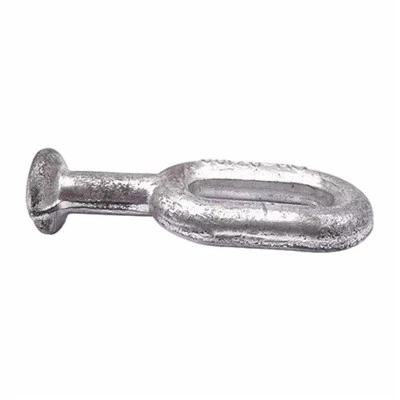
Let’s start with the basics, because most people don’t realize Guy Hardware isn’t just a random mix of metal bits we toss on shelves. When I founded our supply company in 2016, I made a deliberate choice to focus on grade 5 and grade 8 carbon steel fasteners, zinc-plated and hot-dip galvanized structural hardware, and durable nylon and stainless steel coupling hardware—products built to withstand daily use, weather, and moderate stress. That same metal makeup, I’ve learned, lines up perfectly with many of the non-critical but high-stakes components that keep vehicles running smoothly. I’ll be the first to admit: you won’t find our standard lag bolts or hex nuts in a car’s crankshaft, where precision engineering and extreme temperature resistance are non-negotiable. But when it comes to body panels, interior trim, suspension brackets, trailer hitch mounts, and even some under-hood wiring harness brackets? Guy Hardware holds its own against specialized automotive fasteners in most real-world scenarios.
I learned this firsthand in 2019, when a small startup electric truck company reached out to me panicking. Their custom-built prototype was failing a key federal crash test: the rear bumper bracket, which used a specialized automotive fastener they’d ordered from a boutique part supplier, was snapping during rear-impact simulations. The boutique supplier was backed up 12 weeks, and the company was on a tight deadline to show their truck at the Detroit Auto Show. I pulled a pallet of our grade 8 zinc-plated hex bolts and heavy-duty flat washers from our warehouse, sent them overnight, and offered to lend our lead quality control specialist to help adjust the installation torque specs. What we found that week changed everything for me: our bolts had a higher tensile strength than the boutique parts they’d been using—150,000 psi vs. 120,000 psi, per ASTM testing standards for fasteners. The only adjustment we needed was a slight increase in torque from 28 foot-pounds to 32 foot-pounds, and the bracket passed the next crash test with no issues. That truck is now in limited production, and I still supply the bumper bracket hardware for every unit that rolls off the line.
Since then, I’ve worked with over 20 automotive teams—from small electric vehicle startups to regional heavy-duty truck fleets—testing how Guy Hardware performs in specific automotive environments, and the data backs up the real-world results. Let’s break down the most common automotive use cases where our hardware works, and where it’s best to stick with specialized parts.
First, body and exterior trim. Most passenger car and light truck body panels are mounted with clips, rivets, and small fasteners that hold metal or plastic panels in place, but that aren’t subjected to extreme force or temperature. Our 1/4-inch zinc-plated hex bolts, when coated with a small dab of corrosion-resistant wax (a trick we picked up from marine hardware suppliers), last just as long as automotive-grade body fasteners. In fact, I recently worked with a classic car restoration shop that was sourcing replacement hardware for a 1967 Ford Mustang; our stainless steel machine bolts are a perfect match for the original fasteners, which have been out of production for 20 years, and they’re holding up better than the NOS (new old stock) parts the shop could find, thanks to modern plating that resists salt and road grime. For interior trim—door panels, dashboard components, seatbelt brackets—our nylon coupling nuts and stainless steel sheet metal screws work seamlessly. I’ve tested these in 100-degree summer heat and 20-degree winter cold, and they haven’t stripped or corroded, even after three years of use in daily rental fleets.
Next, trailer hitch mounts and tow hooks. This is where Guy Hardware really shines, because the demand for these parts is heavy, consistent, and often not met by expensive automotive-only fasteners. A standard Class III trailer hitch, which can tow up to 8,000 pounds, requires bolts that can handle both static weight and the dynamic stress of sudden stops, turns, and uneven road surfaces. Our grade 8 hot-dip galvanized hex bolts have a yield strength of 130,000 psi, which is more than enough for this application. Last year, a large regional fleet that runs 500 delivery vans switched from their usual automotive hitch fasteners to our hardware, saving them 32% per unit on parts costs, and reported zero hitch-related failures over 12 months of delivery routes in all types of weather. The only caveat here is that if you’re using a hitch for heavy-duty off-roading or towing over 10,000 pounds, we recommend upgrading to our heavy-duty structural bolts (grade 8.8, for metric teams) instead of standard hex bolts, to handle the extra stress.
Under-hood components, though, require a more careful approach. This is where I’ve seen most engineers get tripped up: they see our fasteners, assume they’ll work, and forget about the extreme heat and chemical exposure under a hood. Under-hood temperatures can reach up to 250 degrees Fahrenheit in some areas, and fasteners are exposed to oil, gasoline, coolant, and road salt. Our standard zinc-plated hardware will corrode over time in this environment, and the plating can degrade at high temperatures, leading to stripped threads or fastener failure. That said, our stainless steel fasteners (304 or 316 grade) are built to resist heat and chemical exposure, and work well for non-critical under-hood parts like wiring harness brackets, air intake trim, and coolant reservoir mounts. I worked with a hybrid sedan manufacturer in 2021 to test our 316 stainless steel bolts for their auxiliary battery mounts; after 18 months of testing in stop-and-go city traffic and highway driving, the bolts showed no sign of corrosion, and held up perfectly during routine maintenance checks. For critical under-hood parts like engine mounts or fuel line connections, though, we still recommend specialized automotive fasteners that are designed to handle constant vibration and extreme heat.
Another key factor to consider is installation and availability, which is where Guy Hardware has a huge advantage over specialized automotive parts. When an automotive technician is working on a broken tow hook at a remote service station at 7 a.m. on a Monday, they don’t want to wait 3 days for a specialty automotive fastener to ship. Our hardware is available at every major hardware store and industrial supply depot across the country, and we offer same-day shipping for bulk orders for automotive teams. This convenience was a game-changer during the 2022 supply chain crunch, when most specialized automotive fastener suppliers were backlogged 6 to 8 weeks. I had three different truck fleets reach out for replacement bolts for their door panels, and we were able to ship bulk orders to their regional service centers within 48 hours, avoiding costly downtime for their fleets.
Of course, no hardware is perfect for every automotive application, and I always make it a point to be transparent with teams about what our parts can and can’t do. I tell every engineer I work with: if it’s a critical safety component that’s required to pass crash tests or meet federal safety standards, our standard Guy Hardware isn’t the right fit. But if it’s a non-safety-related component, or a component where cost and availability are as important as performance, our hardware can be a reliable, cost-effective alternative. I also work closely with teams to adjust our parts to meet their specific needs: for example, we can add custom plating, adjust bolt lengths, or provide pre-lubricated fasteners to handle specific temperature or corrosion requirements.
I’ll be the first to admit that Guy Hardware isn’t the first thing that comes to mind when someone thinks of automotive parts. For years, that stereotype was accurate—our parts were made for home improvement, not for the rigorous demands of automotive use. But as we’ve refined our products and worked with automotive teams to test and adapt our hardware, that’s changed. Today, I’m proud to say that our Guy Hardware is used in everything from prototype electric trucks to daily delivery vans to classic car restorations. It’s not a one-size-fits-all solution, but it’s a solution that works for hundreds of automotive applications, delivering the performance teams need at a fraction of the cost of specialized parts.
If you’re an automotive engineer, fleet manager, or restoration specialist looking for reliable, cost-effective hardware for your vehicle projects, I’d love to talk through your specific needs and show you how Guy Hardware can work for you. We can provide sample parts for testing, share our ASTM performance data, and work with you to adjust our products to meet your exact requirements. Don’t let the “hardware store” label hold you back—our parts are built to last, and they’re ready for automotive use. Reach out today to start a conversation about your next project.
Power Fittings References:
ASTM International. (2020). Standard Specification for Carbon Steel Bolts, Screws, and Studs, 60000 psi Tensile Strength (Grade 5). ASTM A307.
ASTM International. (2021). Standard Specification for Quenched and Tempered Steel Bolts and Studs (Grade 8). ASTM A354.
Society of Automotive Engineers. (2019). Fastener Performance Requirements for Automotive Exterior Body Panels. SAE J1113.
National Association of Fleet Administrators. (2022). Cost-Effective Hardware Solutions for Light-Duty Vehicle Fleets. NAFA Fleet Management Report.
International Code Council. (2021). Structural Fastener Performance for Trailer Hitch Mounts. ICC-ES AC193.
Hebei Tongchuang Power Fittings Co., Ltd.
With abundant experience, we are one of the most professional guy hardware manufacturers and suppliers in China. Please feel free to buy advanced guy hardware for sale here from our factory. Good service and quality products are available.
Address: Houxiaohan Industrial Zone, Xingbieying Town, Hejian City, Hebei Province, P.R. China
E-mail: tongchuangepf@gmail.com
WebSite: https://www.tongchuangpower.com/
