Hey there, fellow backpack shoppers and business folks! Let’s cut to the chase: if you’re here asking, “Do business backpacks have a water-resistant coating?” you’re probably tired of coming back from a rainy commute to find your laptop all warped, your notebook pages turning into a soggy mess, or even that fancy client presentation you printed just for the big meeting looking like it was dragged through a puddle. I’m a business backpacks supplier, and let me tell you, this is one of the most common questions I get from folks emailing or sliding into our chat. Business Backpacks

First off, let’s clear up what “water-resistant” actually means, because a lot of brands use this term like it’s a magic trick, and it’s not. I once had a customer come to me super frustrated because he bought a “water-resistant” backpack online, and it got soaked through on a 10-minute walk to the train. Turns out, the brand just sprayed a tiny bit of something on the surface, and called it a day. Water-resistance isn’t all the same, right? It’s not like your backpack can survive being tossed in a pool or anything. It basically means it repels light to moderate moisture—like a surprise drizzle, a spilled coffee that you clean up in 30 seconds, or snow that’s just starting to fall. Waterproof is a whole other level, and most business backpacks aren’t marketed as waterproof, because that usually means they’re fully submersible, which isn’t what most of us need for work.
So back to the main question: yes, most modern business backpacks do have some kind of water-resistant coating, but not all. And there’s a big difference between a basic spray-on coating and a proper, durable one that actually does its job. Let’s break this down from my side as a supplier, because I see what goes into making these bags every single day.
First, the materials. Most business backpacks are made from things like nylon or polyester, right? Those are the workhorses of the bag industry because they’re durable, lightweight, and don’t stretch out after a few months. But plain nylon or polyester? They’re not water-resistant at all. If you get them wet, they soak up moisture like a sponge. That’s where the coating comes in. The most common coating we use is polyurethane, or PU for short. It’s a thin, flexible layer that gets applied to the inside of the fabric, or sometimes sprayed on the outside. It’s not super noticeable, and it doesn’t make the bag feel all sticky or plasticky, which is important because no one wants a backpack that feels like a trash bag.
Then there’s something called DWR, which stands for Durable Water Repellent. Wait, hold on—DWR is usually for the outside of the fabric, right? A lot of people mix up PU coating and DWR. Let me explain: DWR makes water bead up on the outside of the bag, so it rolls off instead of soaking into the fabric. PU is more of a barrier, stopping moisture from getting through to your stuff inside, even if the fabric does get a little damp. For business backpacks, we almost always combine both. You want that DWR on the outside so rain doesn’t soak into the fabric strands, and a PU coating on the inside as an extra layer of protection. That way, even if you’re caught in a downpour for 15 minutes, your laptop is still dry.
But here’s the thing: not all coatings are created equal. I’ve seen some cheap brands that use a really thin, flimsy PU coating that peels off after a few months. Or a DWR that wears off after just a couple of washes or being rubbed against your desk all the time. That’s why as a supplier, we test every single batch of our bags. We take them, spray them with water for a set amount of time, and check if any moisture gets through. We also do real-world tests—our team walks around in rain, spills coffee on them, leaves them out overnight in light drizzle, just to make sure they hold up. I can’t tell you how many times I’ve had a sales rep come in with a bag that’s been used for a year and a half, and the coating is still going strong, while another brand’s bag from the same price point is already letting water in.
Wait, and what about those seams? That’s a huge part people forget. Even if the fabric has a great coating, if the seams aren’t sealed, water will get in through the tiny gaps between the stitched parts. That’s a mistake I see a lot of brands make—they skip seam sealing to cut costs, especially on cheaper backpacks. For our business backpacks, we always use heat-sealed tape on all the seams. That extra step adds a little to the cost, but it’s worth it, because it means the entire bag, not just the main fabric, is protected from moisture. I once had a customer buy a backpack from a competitor that was super cheap, and he told me the seams got completely soaked in a rainstorm, even though the fabric was labeled water-resistant. That’s exactly why we prioritize sealing seams—because it’s the part most people don’t think about until it’s too late.
Now, let’s talk about when the coating doesn’t work. Because even the best coating isn’t perfect. If you’re in a heavy downpour for an hour straight, don’t expect your backpack to keep everything 100% dry. That’s not what business backpacks are designed for. They’re designed for your daily commute, quick runs between meetings, unexpected rain on your way to the subway. If you’re planning on hiking through a rainforest or taking your backpack kayaking, you’ll want something more heavy-duty, maybe even a waterproof dry bag. But for 99% of us, the standard water-resistant coating on a good business backpack is more than enough.
Also, wear and tear will affect the coating. It’s not going to last forever. If you drag your backpack on the ground, scrape it against sharp edges, wash it too harshly, or use it for really heavy loads that stretch the fabric, the coating can start to break down. That’s normal, honestly. It’s not a flaw in the bag, it’s just part of using it. But a good quality coating will last for years, even with regular use. We tell our customers that if they take care of their bag—spot clean it instead of tossing it in the washing machine, avoid dragging it on concrete, it should keep its water resistance for at least 3 to 5 years. That’s way longer than most people keep a backpack anyway, right?
Let me also address a common myth I hear all the time: “If it’s water-resistant, it means my stuff is completely safe.” No, that’s not how it works. Water-resistant is a barrier, not an impenetrable shield. For extra protection, a lot of our customers line their laptop sleeves with a soft, water-resistant fabric too, or use a separate dry pouch for their phone or wallet inside the backpack. It’s a cheap extra step, and it gives you peace of mind. I always recommend that, especially if you live in a place that rains a lot, like Seattle or London, or if you’re someone who’s always on the go and doesn’t have time to wait for your bag to dry.
As a business backpacks supplier, I’ve learned a lot over the years about what actually matters to people. When someone’s picking a backpack for work, they don’t care about fancy marketing terms or labels that say “water-resistant” just to get a sale. They care that their laptop doesn’t get ruined, their notes stay legible, and they don’t have to panic every time they check the weather app and see a rainstorm coming. That’s why we put so much effort into the coatings, the seam sealing, testing every single bag before it goes out.
Wait, and what about the future of these coatings? I’ve been talking to a lot of material suppliers lately about more sustainable coatings, because a lot of the old PU coatings use chemicals that aren’t great for the environment. We’re testing new water-resistant coatings that are made from recycled materials, or even plant-based ones, that work just as well as the old ones without the harsh stuff. That’s something our customers care about too—more and more people want eco-friendly products that don’t sacrifice quality. I’m excited to roll out those options for our bags in the next few months.
Now, let’s circle back to the original question again, just to make sure we’re clear. Do business backpacks have a water-resistant coating? Most of the good ones do, but not all. The cheap ones that you see for $20 at the gas station? Probably not. They might have a tiny spray of something that does nothing after a month. The mid-range to high-quality business backpacks that are made for work? Absolutely, and it’s a key feature we build in, because we know how important it is to keep your work gear safe.
If you’re in the market for a new business backpack, my advice is to look for bags that specifically mention water-resistant coating, seam sealing, and test results from the brand. Don’t just go by the “water-resistant” label alone—dig a little, read reviews from other people who actually used the bag in rain, not just from someone who bought it for a photo. And if you’re not sure, reach out to the supplier, that’s what we’re here for. We get questions all the time, and we’re happy to tell you exactly what kind of coating our bags use, how we test them, and what you can expect in real-world use.
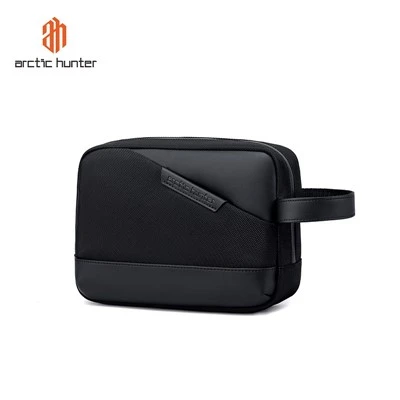
At the end of the day, a business backpack is more than just a bag to carry your stuff. It’s a tool that helps you get through your workday smoothly, without the stress of a rainy commute ruining all your hard work. That’s why the water-resistant coating is such an important part—small feature, huge impact.
Laptop Backpacks If you’re looking for a reliable business backpack that actually has a durable water-resistant coating, or if you have more questions about what works for your daily routine, feel free to connect with our team to chat about custom or bulk orders. We’re always here to help you find the right bag for your needs.
References
- Outdoor Industry Association. (2021). Water Resistance vs Waterproof: A Consumer Guide.
- Textile Institute. (2020). Polyurethane Coatings for Textiles: Performance and Durability.
- Journal of Functional Textiles. (2019). Seam Sealing Techniques for Weather-Resistant Bags and Apparel.
- Sustainable Textiles Council. (2022). Eco-Friendly Water Repellent Coatings: Current Developments.
Guangzhou Leading Wolf Leather Products Co., Ltd.
We are one of the most experienced business backpacks manufacturers and suppliers in China since 2009. With a professional production team, we are able to meet the needs of the majority of our customers. We warmly welcome you to buy bulk custom made business backpacks from our factory. Join our distributor recruitment program now!
Address: Floor 1-3, Building A, No. 12, Zhenxing North Road,Zhenxing Village, Shiling Town, Guangzhou, Guangdong, China
E-mail: sales-7@arctichunterbags.com
WebSite: https://www.arctichunter.com/
