Yo, what’s up everyone! I’m a supplier of PE bottles, and you know, one question that often pops up is, "Are PE bottles resistant to chemicals?" Well, let’s dive right into this topic and break it down. PE Bottle

First off, let’s talk a bit about what PE is. PE stands for polyethylene. It’s one of the most commonly used plastics out there, and there are two main types: high – density polyethylene (HDPE) and low – density polyethylene (LDPE). HDPE is more rigid and has a higher density, while LDPE is more flexible.
Now, when it comes to chemical resistance, it’s not a one – size – fits – all answer. PE bottles have a pretty good reputation for being resistant to a wide range of chemicals, especially weak acids and bases. For instance, HDPE is often used in packaging for household cleaning products like laundry detergents and dish soaps. These products usually contain mild alkaline or acidic substances, and HDPE can handle them without any major issues.
Let me give you an example from my own experience. I had a customer who was in the business of selling a mild acidic fruit – based cleaning solution. They were initially using glass bottles, but they wanted to switch to something more lightweight and cost – effective. We suggested HDPE bottles, and after some testing, they found that the bottles worked perfectly. The PE didn’t react with the acidic solution, and there were no signs of leaks or degradation even after months of storage.
But it’s important to note that not all chemicals are friendly to PE. Strong oxidizing agents, like concentrated nitric acid or hydrogen peroxide in high concentrations, can spell trouble for PE bottles. These chemicals are extremely reactive, and they can break down the polymer chains in PE, causing the bottle to become brittle, crack, or even dissolve in some cases.
Another thing to watch out for is organic solvents. Some solvents, like benzene, toluene, and chloroform, can swell or penetrate PE. When a PE bottle comes into contact with these solvents, it might start to lose its structural integrity. The bottle could become soft and misshapen, and over time, it could lead to leaks.
I remember a situation where a small – scale chemical lab wanted to use our LDPE bottles to store a mixture containing a certain organic solvent. We warned them about the potential risks, but they decided to go ahead with a small – scale test. Sure enough, after a few days, the bottles started to show signs of swelling, and eventually, they had to find an alternative packaging solution.
When we’re talking about chemical resistance, temperature also plays a crucial role. At higher temperatures, the molecular motion in the PE polymer increases, which makes it more susceptible to chemical attacks. For example, if you store a PE bottle filled with a moderately reactive chemical at room temperature, it might be fine. But if you expose it to high temperatures, say in a hot warehouse during summer, the chemical could start to react with the PE more rapidly.
So, how do we determine if a PE bottle is suitable for a particular chemical? Well, we usually rely on chemical compatibility charts. These charts list different chemicals and show whether they are compatible with various types of plastics, including PE. But it’s not just about looking at the chart. We also recommend doing small – scale tests before full – scale production.
Let me share a story about how important these tests are. A large food company came to us wanting to use our HDPE bottles for a new line of salad dressings. The dressings contained some natural herbs and spices that were slightly acidic, along with a bit of oil. We checked the chemical compatibility chart, and it seemed like HDPE would work fine. But we still advised them to do a test. They filled a batch of sample bottles and stored them under different conditions for a few weeks. During the test, they noticed that the oil in the dressing was causing a very slight discoloration of the bottle over time. Based on this result, we worked together to find a better solution, which involved a special coating on the inside of the bottle.
Now, as a supplier, I always make sure to educate my customers about the limitations and capabilities of PE bottles. I don’t want them to run into any problems down the line. I tell them that if they’re dealing with a new or unknown chemical, it’s always better to be cautious and do thorough testing.
In the end, PE bottles can be a great choice for many chemical applications. They’re lightweight, cost – effective, and have decent chemical resistance in many cases. But you’ve got to know what you’re dealing with. If you’re in the market for packaging solutions and you’re considering PE bottles, don’t hesitate to reach out. We can work together to figure out if PE bottles are the right fit for your specific chemical products. Whether it’s for household goods, food products, or industrial chemicals, we’ve got the knowledge and experience to help you make the best decision.
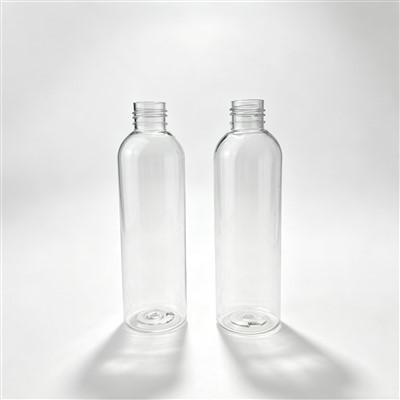
If you’re interested in learning more or starting a procurement discussion, just drop me a message. We can talk about your requirements, do some testing if needed, and come up with a solution that works for you.
PET Plastic Bottles References:
- "Handbook of Plastic Materials and Technology"
- "Polymer Chemistry: An Introduction"
Taizhou Fuyan Trading Co., Ltd.
As one of the most professional pe bottle manufacturers and suppliers in China, we’re featured by quality products and good service. Please rest assured to wholesale bulk pe bottle in stock here from our factory. Customized orders are welcome.
Address: Lupu Small and Micro Industrial Park, Lupu, Yuhuan City, Zhejiang Province
E-mail: taizhoufuyan@outlook.com
WebSite: https://www.fuyantrading.com/
